Guilty break culture is reshaping daily life
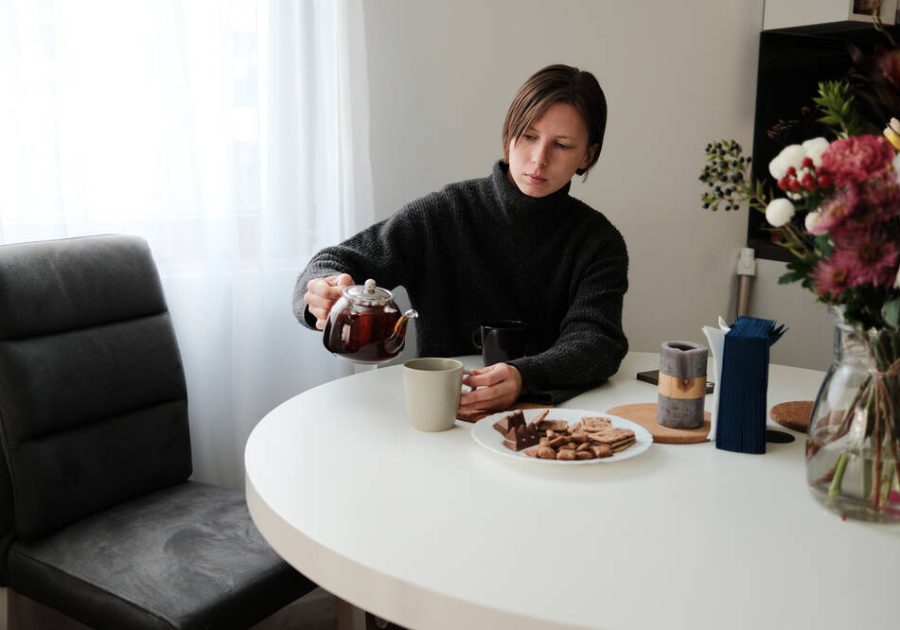
A rising guilty break culture is changing how people rest, connect and manage daily pressure. New pladis research shows half of Brits feel guilty taking a break, and the consequences reach far beyond lost downtime.
Break guilt is becoming a national behaviour
The findings reveal that 46% of people feel guilty pausing during the day. Moreover, 54% feel pressure to stay “always on,” which signals a cultural shift rather than a personal failing.
pladis summarises the issue clearly: “We’re a nation of guilty breakers, and it’s costing us meaningful moments every day.”
This shift matters because guilt is no longer tied to productivity alone. Instead, it is shaping how people value rest, connection and emotional wellbeing.
Modern routines are squeezing out human connection
Busy working days, constant to‑do lists and packed home routines drive this guilt. As a result, 57% say they miss meaningful moments with friends and family.
pladis notes that “Brits are skipping the small moments that make us feel human.”
Even worse, 42% deprioritise making plans with friends, while 39% delay checking in with family. Therefore, the guilty break culture is weakening everyday relationships.
Downtime is no longer restorative
When people do pause, they often doomscroll or catch up on messages. Nearly half spend breaks on their phones. Consequently, breaks fail to restore energy or connection.
Psychologist Dr Ellie Buckley, quoted in the research, warns: “Breaks are essential for emotional regulation, yet many people feel they haven’t earned them.”
This behaviour reflects a deeper issue: people no longer see rest as legitimate. Instead, they treat it as a lapse in productivity.
Regional differences reveal deeper pressures
Londoners feel the strongest pressure to stay “on,” with 58% reporting constant availability demands. Meanwhile, 62% of people in Northern Ireland say they cannot take breaks at all.
These differences show how local work cultures and expectations shape the guilty break culture.
Implications for wellbeing and society
The implications are significant:
- Erosion of social bonds — people miss shared moments that strengthen relationships.
- Increased stress and burnout — constant availability fuels exhaustion.
- Reduced emotional resilience — without real rest, people struggle to reset.
- Loss of micro‑connections — small interactions that support wellbeing disappear.
This trend suggests a society drifting toward isolation, even when surrounded by others.
pladis’ response highlights a cultural need
pladis, through McVitie’s, has partnered with psychologist Dr Ellie Buckley to encourage guilt‑free breaks and promote reconnection.
The company states: “We want to help the nation reclaim the break and rediscover the joy of small shared moments.”
This response recognises that small pauses can rebuild connection and improve mood.