Twinings rolls out accessible QR codes in packaging refresh
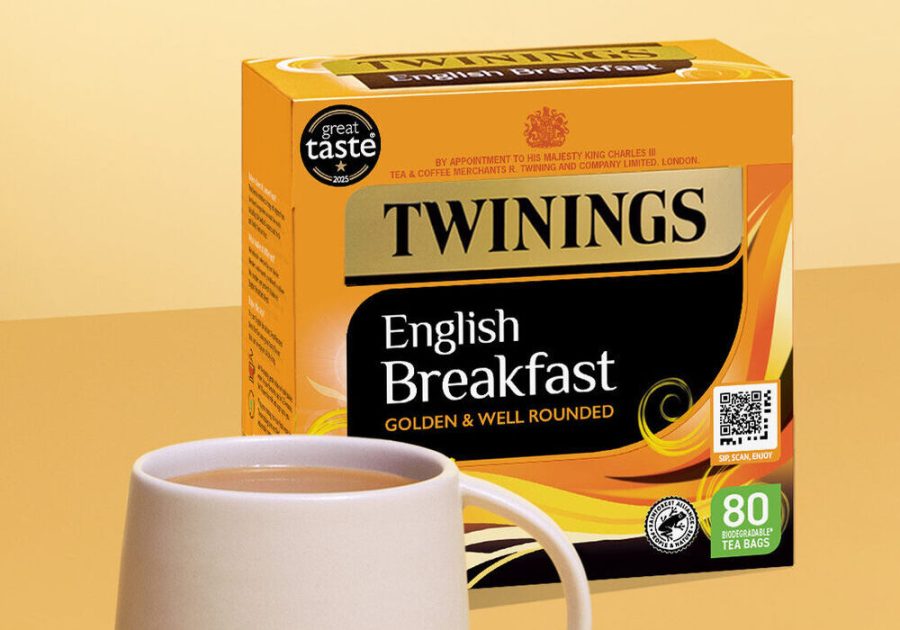
Twinings is set to become the first tea brand to introduce accessible QR (AQR) codes at scale, marking a significant step forward for inclusive packaging in the UK grocery sector.
The move forms part of a wider packaging refresh designed to make the brand’s products easier to navigate for blind and partially sighted consumers — a group for whom standard on‑pack information is often difficult or impossible to read.
Rolling out from July, the new AQR codes will appear across Twinings’ Black Tea range first, followed by Green Teas and Infusions from September. The update spans multiple pack formats, including large 80, 120 and 300‑bag boxes, smaller 20‑ and 40‑bag packs, and selected foodservice cartons. By embedding the technology across such a broad footprint, Twinings becomes the first British tea brand to deploy accessible QR codes at this scale.
A step change in accessible packaging
The introduction of AQR codes is designed to address a longstanding accessibility barrier. Around 2 million people in the UK live with sight loss, and nine in ten report that food packaging is difficult or impossible to read. Standard QR codes offer limited support, as they typically require precise alignment and close‑range scanning — both challenging for blind and partially sighted shoppers.
Twinings’ new AQR codes, developed in partnership with Zappar, creator of the Accessible QR code, and io.tt, the connected experiences platform powering the digital layer, are engineered specifically to overcome these limitations. When used with accessibility apps such as Be My Eyes or Seeing AI, the codes can be detected from over a metre away — around seven times the distance required for a standard QR code. This enables shoppers to locate the product on shelf, orient themselves, and scan the code independently.
Once scanned, the AQR code provides enhanced access to key product information, including tea type, ingredients and brewing instructions. Users can choose enlarged text or audio playback, helping replicate the experience of a sighted shopper who can quickly read and compare packs.
Designed with expert input
The initiative has been developed in close collaboration with the Royal National Institute of Blind People (RNIB), whose guidance shaped the placement, consistency and usability of the codes across different pack sizes.
Gill Close, marketing director for Twinings UK & Ireland, said the launch reflects the brand’s long‑term commitment to accessibility:
“Inclusivity is a core value for us at Twinings. By introducing accessible QR codes, we’re taking an important step towards making our products easier to navigate for blind and partially sighted consumers. This is part of an ongoing journey — we know there is more to do, but we’re proud to be taking meaningful action to improve accessibility and help drive progress across the industry.”
Alan Lock, Director of inclusive design consulting at RNIB, welcomed the move: “Inaccessible packaging remains one of the most persistent everyday barriers facing people living with sight loss in the UK. Twinings’ introduction of accessible QR codes is a welcome and practical step forward, giving shoppers the independence to find products and access the information they need. We hope it signals a turning point, inspiring the wider industry to follow suit.”
The rollout forms part of Twinings’ broader accessibility strategy, which also includes enhanced website features such as read‑aloud functionality, larger text and improved contrast. By integrating AQR codes into mainstream packaging — rather than limiting them to niche or specialist products — the brand aims to normalise inclusive design across the category.