Cracking the pastry code: scientists aim to make sausage rolls healthy
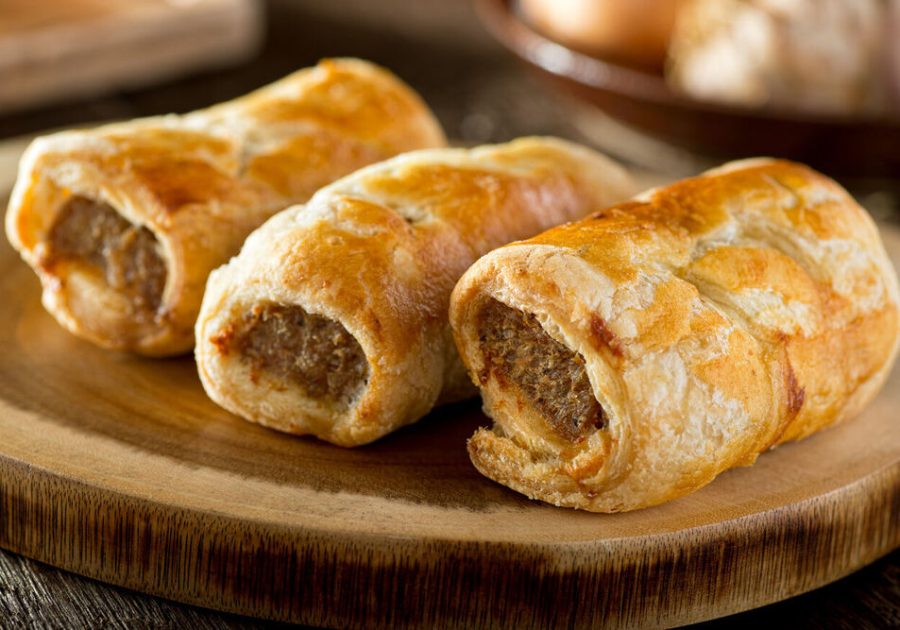
It is a British culinary staple eaten by millions every week, but it is notoriously packed with saturated fat. Now, scientists are attempting to achieve what once seemed impossible: creating a healthy sausage roll without ruining its iconic, flaky pastry.
A research team at Heriot-Watt University is taking food science out of the lab and into the kitchen to radically re-engineer everyday baked goods.
The health imperative
The motivation behind the project is the staggering volume of pastry consumed across the UK.
“Around 10-15 million sausage rolls are sold a week in the UK, and the bestselling version contains 11 to 12.4g of saturated fat,” explains Professor Stephen Euston from Heriot-Watt’s School of Engineering and Physical Sciences. “That’s more than 60% of the recommended daily limit for adults.”
Simply swapping out the fat isn’t easy because fat provides the structural magic in laminated dough. It sits between layers of dough so that when steam expands during baking, it forces the layers apart to create a flaky texture. Standard liquid oils lack the structure required to keep these layers separate, typically resulting in a heavy, failed bake.
The science of oleogelation
To solve this structural dilemma, Professor Euston and Dr Hector Mora Gallego are utilising a process called oleogelation. This technology transforms liquid vegetable oils — specifically sustainably grown UK crops like sunflower and rapeseed — into a solid-like fat that behaves exactly like traditional baking fats.
Beyond the health benefits, this breakthrough unlocks major efficiency improvements for commercial bakers:
- Temperature stability: traditional pastry requires repeated, time-consuming chilling cycles during production so the fat layers do not melt while folding the dough.
- Streamlined manufacturing: the newly developed oleogels are expected to remain stable at much higher temperatures. This means manufacturers can drastically reduce chilling times, or potentially eliminate the chilling process altogether.
Great expectations for the British larder
Backed by funding from the UK Research and Innovation Engineering and Physical Sciences Research Council (EPSRC) Impact Acceleration Award, the 10-month project has reached a critical milestone: moving the modified pastry into the kitchens of industry collaborators New Food Innovation and AB Mauri for real-world consumer taste testing.
If the trials prove successful, the implications extend far beyond the humble sausage roll. The team expects the technology to be seamlessly applied to other heavy-pastry favourites like croissants, Danish pastries, and turnovers. Looking even further ahead, the researchers are already exploring how the exact same oleogelation technology could be used to slash saturated fat levels in vegan cheese alternatives.
Topics
oleogelation oleogels pastry saturated fats sausage rolls
PeopleDr Hector Mora Gallego Professor Stephen Euston
Organisations