PET cans: a shrink-wrapped solution
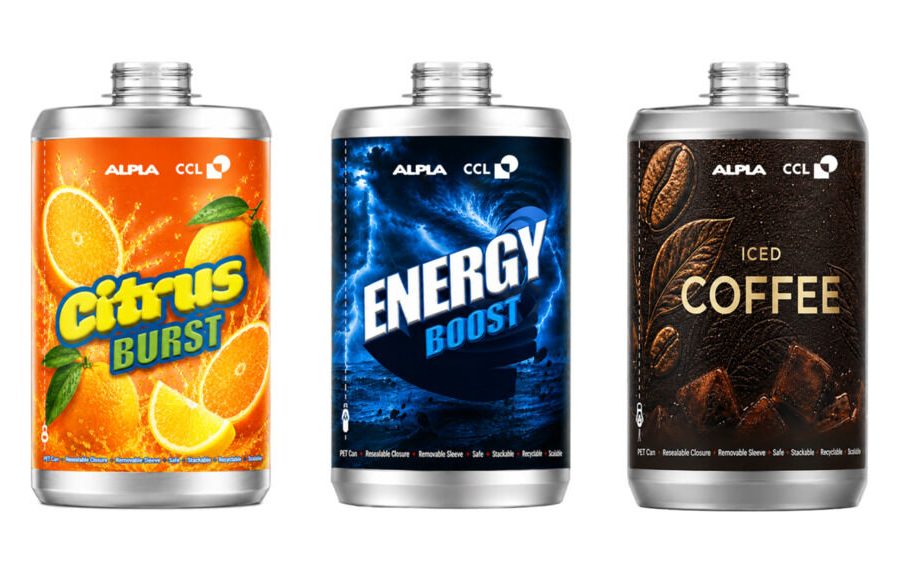
Image: Alpla
Alpla and CCL Label have jointly developed a stackable PET beverage can finished with a full-body shrink sleeve, positioning the packaging as a quickly scalable alternative to the aluminium can.
The 0.33-litre bottle-in-can format is designed to integrate into existing PET filling lines and is available now.
Answering the bisphenol deadline
The PET can does not require a BPA-containing epoxy coating on the inside, is recyclable, and can be integrated into existing PET filling lines. The launch lands against a regulatory backdrop: since July 2026, many food packaging items containing bisphenol — particularly disposable packaging — may no longer be placed on the market in the EU.
Daniel Lehner, global sales director food & beverage at Alpla, frames the format as a direct substitute for metal: “A beverage can may just as well be made of plastic. Our PET can relies on the well-known material properties of PET, which have proven themselves on the market, strengthens the supply chain and can highlight special products as a novelty.”
A metallic finish, without the metal
Visually, the can leans on a 360-degree decoration surface delivered through the shrink sleeve, with a silver effect and mirror finish designed to echo the look of metal while remaining stackable. Because the sleeve is applied only after filling, beverage manufacturers gain flexibility in both production and design. Alpla and CCL Label also point to a logistics advantage: PET preforms and sleeves require significantly less storage and transport capacity than prefabricated empty cans.
Built to come apart cleanly
 The can can also be produced from recycled PET (rPET) for additional CO2 savings, keeping it within the existing bottle-to-bottle recycling loop. Its tethered cap is new to the can segment and brings resealability with it, along with a practical side effect: less contamination and no risk of insects getting inside, which the companies note is useful both for household collection and at store deposit machines.
Recyclability is underpinned by CCL Label’s EcoFloat shrink sleeve, a detachable label made from low-density polyolefin (PO) that is designed to reliably separate from PET flakes during the recycling process — while still delivering full-surface decoration with a high-quality metallic look and shelf standout.
“We stand for safe and modern packaging solutions worldwide. The PET can combines these features and enables our customers to have a seamless and long-term supply,” Lehner adds.
Substitution
The case Alpla and CCL Label are making is one of substitution rather than reinvention: a can-format pack that drops into PET’s existing filling and recycling infrastructure rather than requiring new capital investment from beverage manufacturers.
With the EU’s bisphenol restriction narrowing options for coated metal packaging, and both companies emphasising their ability to scale production quickly, the PET can is being positioned less as a niche format and more as a ready-made response to a live compliance question — with the rPET and bottle-to-bottle angle giving it a sustainability story to match.