Sial 2026 : more of the same? Not quite
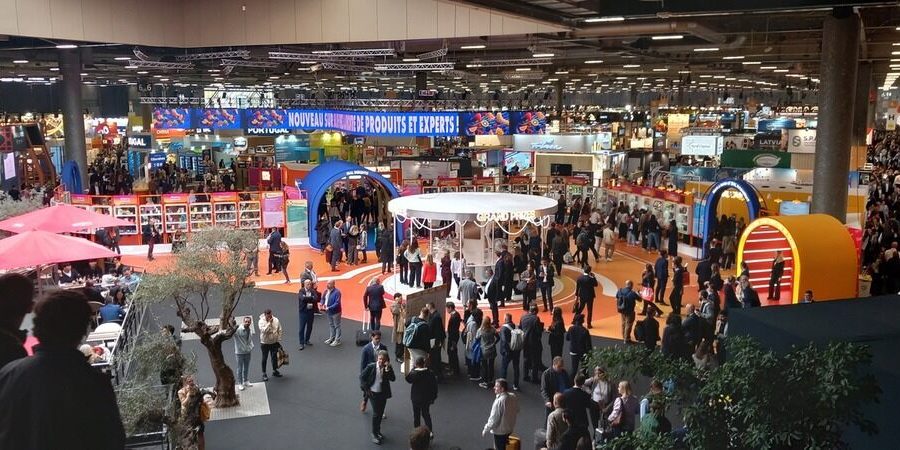
October 2026, the international food exhibition Sial, in Paris was celebrating its 30 years of existence, with this 15th edition.
A huge 10 halls fair with several awards, competitions, tasting panels and an impressive innovation board of 775 products selected out of 2,750 submitted. This record number shows innovation is back after several years of slowdown and demonstrates a genuine catch-up effect.
Food trendsetter Xavier Terlet says it all: “The main drivers of food innovation do not fundamentally change: enjoyment, health, and convenience remain central. But what is changing significantly are the solutions offered. Pleasure is becoming more sensory and health more functional, while practicality now needs to offer more than just time savings. The 2026 edition showcases a more hybrid form of innovation, where benefits are combined and the boundaries between categories are becoming increasingly blurred.“
In the ten long windows at the entrance, the hundreds of new products selected this year offer the perfect opportunity to have a concrete glimpse into the trends shaping the food industry.
The pleasure of eating takes centre stage. Less focused on traditional notions of gourmet or premium products, it is more about the intensity of flavour, colour, textures, originality, and the presentation of the product. Food should surprise and create an experience, sometimes even to the point of being spectacular and particularly photogenic.
For global flavours, Korea continues to make inroads, while India is beginning to emerge with new recipes and offerings. On the fairgrounds, several major Korean noodles compagnies showcased army of young (apprentice) chefs on their huge stands. Visitors were obediently waiting in long line to sample the products.
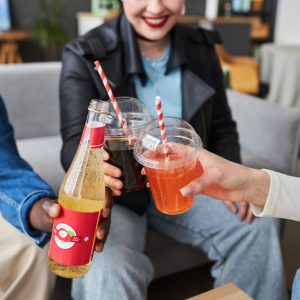
Functionalisation of food and drink goes further, with products that make a specific claim linked to a profile, life stage, or clearly identified benefit. This was obvious in the number of “healthy “ soft drinks, kefirs, kombucha, fizzy juices, extracts of all sorted proposed in the start-ups area as well as in the huge hall dedicated to drinks. This trend sometimes also blurs the lines between food and the nutraceutical industry, with the added value of enjoyment. The phenomenon has reached new heights: hundreds of products related to the dietary supplement industry were showcased, including some related to GLP-1. Functional products that were once offered in the form of capsules or supplements are now available as actual food (bars, soup, yogurt, cereals) more enjoyable and familiar.
Another important trend is the rise of bite-sized portions, expanding snacking into new consumption occasions, these developments reflect a broader shift in how and when consumers enjoy snack products. Japanese mochi, chocolate-like product made from coffee beans instead of cocoa beans, intense fibre snacks etc… Coffee and tea capsules and individual sachets are also growing full speed. Green Matcha Latte Capsules, manufactured by French company Green in France, won the Bronze Award for their innovative capsule-based matcha latte .
As for the alcoholic beverage market, it is driven by the premiumization of wine, spirits and beer, alongside ready-to-drink cocktails, limited editions, bold flavour combinations and innovative packaging. Consumption habits are clearly evolving, with 71% of European consumers reporting that they are reducing their alcohol intake, while continuing to seek pleasure and quality.
According to ProteinesXTC, pleasure drives more than 80% of observed innovations, with sensory variety and sophistication together accounting for over 76%. The non-alcoholic sector is booming in Europe, category blending is opening up new opportunities for innovation, combining indulgence, creativity and alternative drinking experiences.
A standout example is Elevrie, a premium non-alcoholic sparkling tea collection by Dilmah, developed in collaboration with Vallformosa. It combines Dilmah’s expertise in Ceylon teas and blends it with Vallformosa’s sparkling-wine know-how, the range offers white, red and rosé varieties, providing an elegant, wine-inspired alternative for aperitifs, meals and celebrations.
Three standout ingredients take centre stage in this edition: collagen, reflecting the rise of functional foods; ube, a vibrant purple tuber that captures the growing appetite for visually striking products; and adaptogenic plants, highlighting the increasing convergence of food, functionality, and well-being.
Health takes two complementary paths. The first is driven by a desire for reassurance, but also with foods perceived as simpler and less processed. There the equipment of Zeen Swiss food-processing technology was highly praised. It enables ingredients to be fried in water rather than traditional oil, offering an innovative approach to food preparation. This technique aims at preserving the ingredients’ natural taste, texture, and appearance, without the oil. It reflects the growing interest in alternative processing methods that deliver healthier food products without compromising on quality.
Last but not least, environmental concerns continue to shape the industry, with a growing focus on practical solutions such as lighter packaging, more local sourcing, reduced transport distances, lower carbon footprints, and innovative production methods. The key challenge is to translate these efforts into tangible benefits that consumers can easily recognize and understand.
Ultimately, SIAL 2026 confirmed that the future of food lies in the ability to combine innovation with purpose, turning evolving consumer expectations into products that are not only relevant today, but ready for tomorrow.