Scotland’s food and drink sector told to accelerate net zero transition
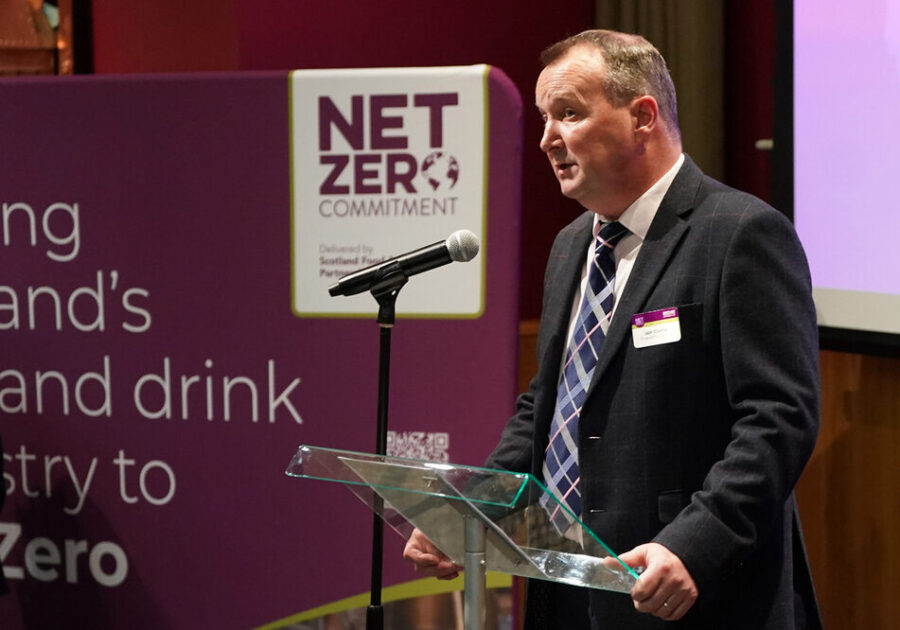
Scotland’s food and drink industry is facing a critical juncture.
A new Climate Transition Plan, developed by the Scotland Food & Drink Partnership’s Net Zero Programme, delivers a stark message: the time for incremental change is over.
The sector must now accelerate its journey to net zero, not just for environmental targets, but for its own long-term commercial survival and competitiveness.
The plan serves as a practical roadmap for the industry — which supports around 115,000 jobs and contributes £7 billion in GVA — to navigate the twin threats of climate disruption and market instability. It calls for a concerted effort from both businesses and government to overcome structural barriers and capitalise on the opportunities of a green transition.
An industry under pressure
The urgency of the plan is underscored by the immediate challenges facing the sector. Extreme weather, water scarcity, and flooding are no longer future threats but present-day realities disrupting production and supply chains. These operational shocks are compounded by rising energy and input costs, creating an environment of significant financial uncertainty.
The Climate Transition Plan argues that reducing emissions and strengthening resilience are two sides of the same coin. By embracing efficiency and sustainable practices, businesses can simultaneously lower their carbon footprint and reduce their exposure to volatile energy markets and climate-related disruptions.
Four pillars for a resilient future
The plan identifies four critical areas that require immediate focus to build a more resilient and sustainable sector:
- Finance and investment: unlocking the capital needed to fund the transition to net zero technologies and practices.
- Energy and infrastructure: addressing grid capacity and improving energy efficiency to reduce costs and carbon output.
- Workforce and skills: equipping the current and future workforce with the skills required for a low-carbon economy.
- On-farm and product diversification: encouraging innovation in production methods and product lines to build business resilience.
The report finds that many of the necessary technologies and practices are already proven. The priority is now to scale them in a way that is commercially viable and practical for businesses of all sizes.
A call for collaboration
The plan places a dual responsibility on industry and government. While it outlines actions for businesses to reduce emissions and enhance competitiveness, it also calls for government intervention to dismantle structural barriers. Key requests include improving energy infrastructure and providing better access to trusted technical and advisory support, particularly for SMEs and primary producers who may lack the in-house resources to navigate the transition.
Iain Clunie, programme director of Scotland Food & Drink’s Net Zero Commitment, noted the commercial imperative when he said: “As policy, regulatory and market expectations change, the transition to net zero is becoming increasingly important to competitiveness, productivity and long-term commercial sustainability. The plan sets out practical actions to help businesses reduce their exposure to volatility and prepare for what comes next.”
The full Climate Transition Plan is now available at https://foodanddrink.scot/helping-business/services/net-zero-and-sustainability/ .
TopicsPeopleOrganisations