Dairy Roadmap raises the bar
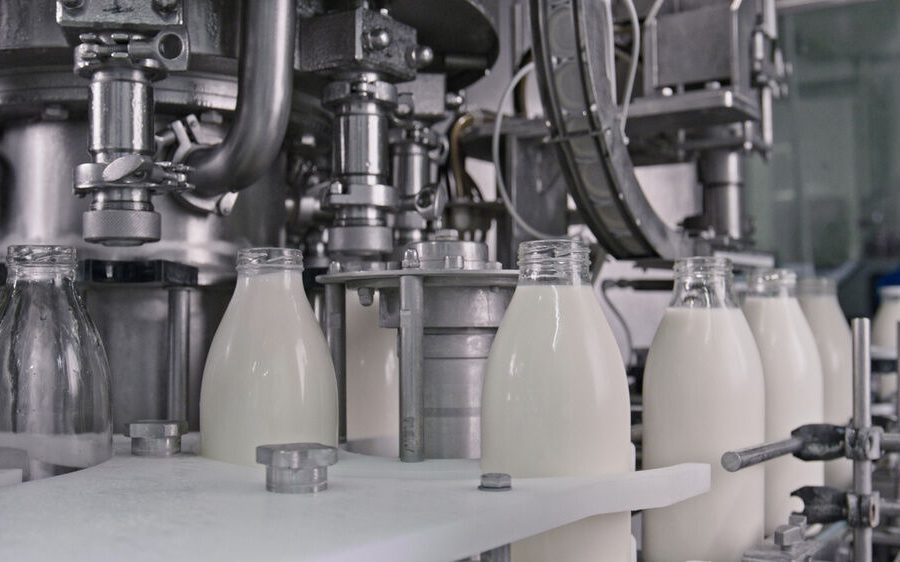
The Dairy Roadmap has entered its next phase. The initiative’s Processor Working Group has published a fresh set of environmental targets for the UK’s dairy-processing sector, covering climate and energy, water, and plastics and packaging, with milestones running through 2027 and 2030.
The targets extend a programme that has been running since 2008, and the baseline numbers underline how far the sector has already moved. Processors now use more than 30% less energy and over 50% less water per tonne of milk processed.
Around 65% of UK milk sits within supply chains aligned to the Science Based Targets initiative (SBTi), up from just 0.5% in 2008. Packaging per tonne of milk has fallen by more than 60%, plastic milk bottles now contain over 30% recycled material against none in 2008, and more than 90% of processor waste is recovered or recycled, with landfill disposal down from 24% to below 2%. Food waste has stayed consistently low, averaging 1.3% of inputs.
For Dr Emma Gregson, Dairy Roadmap secretariat and environment manager at Dairy UK, that track record is the platform for what comes next. “The UK dairy sector is in a strong position thanks to pre-competitive collaboration and an emphasis on continuous improvement,” she said. “The next phase is about continuing to set challenging but realistic targets, streamlining data collection to track progress and sharing what works so the whole sector can move forward together.”
Packaging: closing the loop
On packaging, the roadmap’s ambition is to eliminate unnecessary single-use plastic, maximise recycled content and improve recyclability while minimising carbon impact. The new commitments require all packaging to be recyclable where possible and economically viable, all paper and card to carry Forest Stewardship Council certification or an equivalent standard, and dyed plastic bottle caps to be removed from consumer packaging by 2030.
Recycled-content targets are still under discussion, with the sector weighing alignment to initiatives such as the WRAP Food & Drink Pact. Packaging decisions going forward will be guided by the waste hierarchy — prevention and reuse first, then recycling, recovery and disposal — and product design will increasingly need to account for packaging’s carbon footprint, with the necessity of single-use plastics reassessed on a regular basis.
Emissions: SBTi becomes the baseline
The roadmap’s long-term climate ambition is to limit global warming to 1.5°C and for the dairy sector to make no contribution to global warming by 2050. The near-term milestones are designed to make that measurable. Every processor is now expected to estimate and report Scope 1 and Scope 2 emissions. SMEs are being asked to undertake the SBTi process and present it to their boards by the end of 2026, while all processors must have SBTi-approved Scope 1 and 2 targets in place by the end of 2027. Large organisations carry a heavier lift: SBTi-approved Scope 3 targets, including Forest, Land and Agriculture (FLAG) targets, are also due by the end of 2027.
Water: from measurement to action plans
The water strand targets no serious pollution incidents, full legislative compliance, sustainable use and improved wastewater treatment, including reuse where feasible. Processors must measure water use in their own operations and complete water-risk assessments to inform local action plans by the end of 2026, followed by risk-reduction plans by the end of 2027. Beyond compliance, the sector is committing to reduce overall water consumption and mains-water reliance through efficiency, treatment, reuse, education and, where appropriate, catchment-level projects.
Making It measurable
Underpinning all three strands is a new data-collection template from the Processor Working Group, intended to standardise monitoring across the industry. Guidance on both SBTi and water objectives is in development, and talks on recycled packaging content continue. The group has said it will keep reviewing progress and add further targets as industry practice, policy and legislation evolve.
Targets
For processors, the 2026 and 2027 deadlines compress into a tight window — SBTi board sign-off, Scope 1/2 target approval, water-risk action plans and the bottle-cap phase-out all land within roughly 18 months of each other.
The variables to watch are how quickly recycled-content targets for packaging get finalised, whether large processors’ Scope 3 and FLAG commitments prove deliverable given the complexity of agricultural supply chains, and how the sector’s data-collection template performs once consistent, comparable reporting is actually put to the test.