Why we can’t forget the farmer
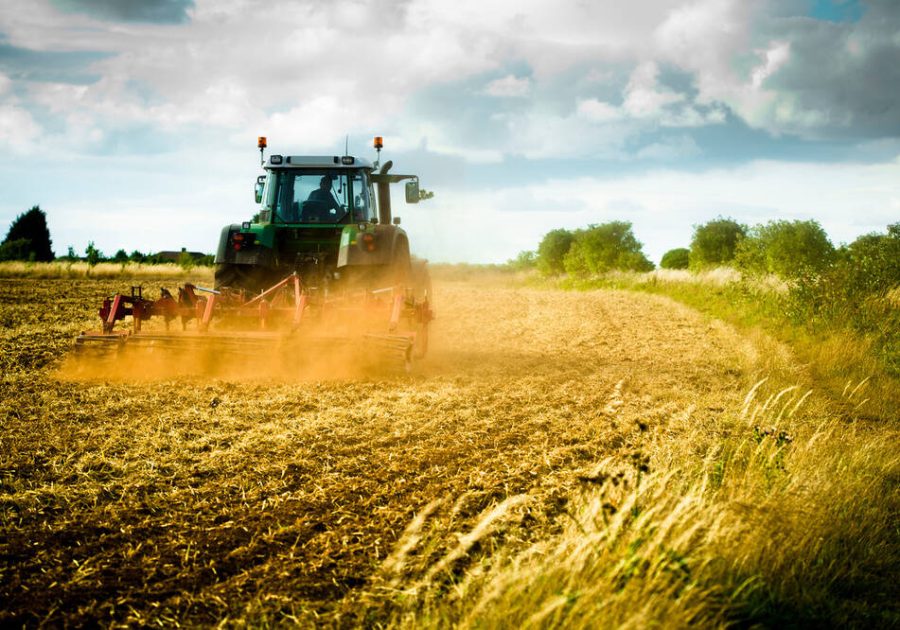
Image: AdobeStock 49500204
I walked into the Economist’s Future of Food Summit this morning expecting big‑picture thinking — and I certainly got it.
Within minutes, we were plunged into a sweeping tour of global shocks, from the pandemic to the war in Ukraine, and the cascading effects on supply chains, inflation, and hunger. As one speaker put it, “an estimated 8.2% of the global population faced some level of hunger in 2024” . It was a sobering reminder of the stakes.
But what struck me most wasn’t just the macroeconomics or the climate data. It was how often the conversation circled back to the same essential truth: none of this works without the farmer.
Setting the scene: a fragile food system
The opening remarks painted a vivid picture of a world still reeling from shocks. We heard how “droughts and floods in the world’s breadbasket” are compounding volatility, and how millions remain cut off from affordable, nutritious diets . The message was clear: resilience isn’t a buzzword — it’s a survival strategy.
Pratima Singh from Economist Impact then shared early findings from the Resilient Food Systems Index. One line stayed with me: “62% of countries… the cheapest healthy diet costs nearly two thirds of the poorest households’ income” . Affordability alone isn’t resilience; access matters just as much.
Then came the panel — and the farmers took centre stage
The first panel of the day, on collaboration across the value chain, was where the conversation really came alive. What I appreciated was the honesty. No one pretended collaboration is easy. No one glossed over the tensions.
And the farmers? They weren’t just mentioned — they were defended, championed, and, crucially, listened to.
One panellist put it bluntly: “There’s still an oversimplification of the farmer… each farmer has different challenges.”
Another added what everyone in the room needed to hear: “If you really look at whose life is on the line, whose house is on the line, it’s the farmer.”
It was refreshing to hear this said out loud in a room full of policymakers, retailers, manufacturers, and investors.
The kitchen‑table reality
One of the most powerful moments came from the farmer on the panel, who reminded us that agricultural decisions aren’t made in boardrooms — they’re made “around a kitchen table… by people who’ve had a long day” .
That image stayed with me. It’s easy to talk about regenerative agriculture, long‑term contracts, or climate‑smart practices in abstract terms. But for farmers, these aren’t abstract — they’re existential. They involve risk, debt, weather, policy swings, and the hope that next year will be better.
Risk: the word of the morning
If there was one theme that echoed through every comment, it was risk — who holds it, who avoids it, and who shouldn’t be left carrying it alone.
We heard that:
- Farmers shoulder the vast majority of risk in the system.
- Retailers and processors often move at a different speed, creating mismatched expectations.
- Long‑term commitments matter, but they’re meaningless if farmers can’t survive the short term.
As one speaker said, “Collaboration across the supply chain is about sharing risk and responsibility, not just chasing the lowest cost.”
Policy: the missing stabiliser
There was also a candid acknowledgement that policy isn’t keeping up. Regulations are inconsistent, sometimes counterproductive, and rarely designed with farmers at the table. One example shared was almost absurd: regenerative farmers unable to graze poultry on land previously grazed by cattle — despite it being exactly what the land needs.
Farmers don’t need perfect policy. They need predictable policy. As one speaker put it, they need “clear, predictable and stable policies” to plan for the future .
My takeaway: the future of food starts at the farm gate
Walking out of the morning session, I felt energised — but also very grounded. It’s easy at events like this to get swept up in technology, indices, and global frameworks. But today’s speakers kept pulling us back to the foundation of the entire system: the farmer.
- Rodney Jack, editor, Food & Drink Technology. Keep in touch via email: [email protected] Twitter: @foodanddrinktec or LinkedIn: Food & Drink Technology magazine.