Rewriting the recipe: the next 25 years of innovation
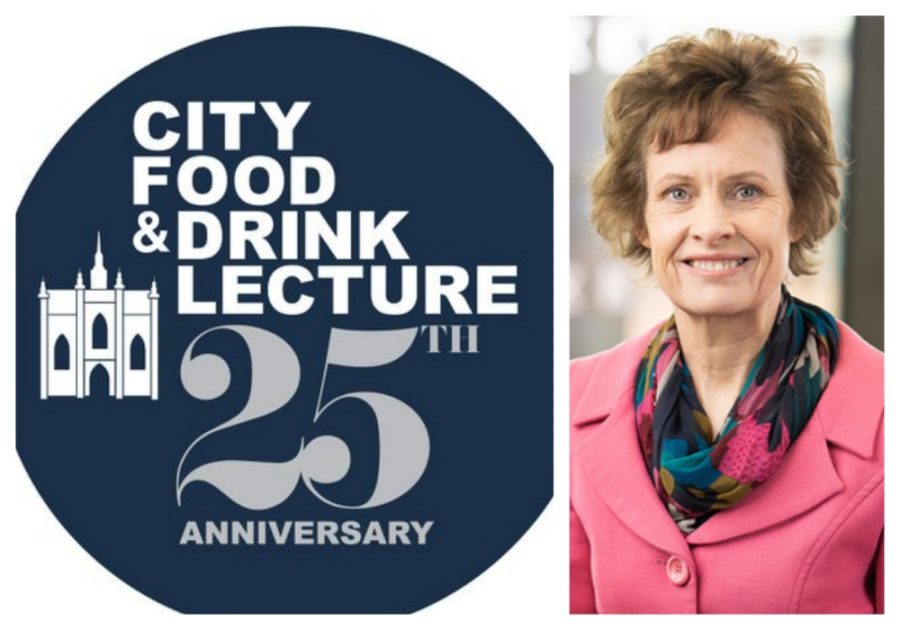
The 25th anniversary of the City Food & Drink Lecture, held on 23 February 2026 at London’s Guildhall, delivered one of its most urgent and thought‑provoking keynotes to date.
Professor Susan Jebb OBE — chair of the Food Standards Agency and one of the UK’s most influential nutrition scientists — used the platform to issue a clear challenge to the sector: the next 25 years must not look like the last.
Her central question framed the evening with disarming simplicity: “Can Britain’s food and drink industry make the next 25 years healthier than the last?”
A health crisis hiding in plain sight
Jebb began by grounding the audience in the reality of the nation’s health. Today, 28% of UK adults live with obesity, and a further 40% are overweight. Even more alarming is the trajectory for children:
“10% of children starting school aged just four or five are living with obesity, and that doubles by age 11,” Professor Jebb told the audience.
These early patterns, she warned, are driving entrenched health inequalities, with life expectancy varying by more than a decade between neighbourhoods. The economic toll is equally stark: £10 billion in NHS costs and £24 billion in lost productivity every year.
A food system that’s brilliant — but broken
Professor Jebb acknowledged the industry’s achievements since the post‑war era: abundant choice, convenience, safety, and affordability. But she was candid about the unintended consequences of a system optimised for efficiency and volume.
Her critique centred not on individual foods but on an “ultra‑processed system” — a globalised, competitive, convenience‑driven model that has reshaped diets faster than culture or biology can adapt.
Consumers are now pushing back. According to FSA data cited in the lecture, 79% of people are concerned about ultra‑processed foods, and nearly half are actively reducing them.
Two disruptors the industry cannot ignore
Jebb highlighted two forces that will reshape the sector whether businesses prepare for them or not:
1. The rise of weight‑loss medications
Around 2 million people in the UK are already using new obesity drugs. These medications reduce energy intake by up to 26%, raising profound questions for business models built on impulse, indulgence, and volume.
“If these medications stop the so‑called food noise, where does that leave impulse purchases?” she questioned.
2. The public rejection of ultra‑processed foods
Consumers want “real food, not weird food,” as Professor Jebb put it. They are questioning long shelf lives, long ingredient lists, and the erosion of traditional food culture.
Together, these shifts signal a structural change in demand — not a passing trend.
Why incremental reformulation isn’t enough
Professor Jebb was frank about the limits of past efforts. Salt reduction saw early success, but sugar reduction targets largely failed. In some categories, sugar sales even increased.
“Too many businesses are following the letter but not the spirit of the law,” she said.
Reformulation that swaps sugar for sweeteners or fat for modified starches does little to address the underlying drivers of overconsumption.
A food system reset
Professor Jebb called for a fundamental redesign of the food system:
- More domestic fruit, veg and plant‑based proteins
- Manufacturing that delivers convenience without excess fat, sugar, salt or oversized portions
- Retailers using their influence to sell healthier food, not just any food
- Out‑of‑home operators rethinking portion sizes and calorie‑dense coffee culture
- A “food data revolution” to drive transparency and accountability.
Her message was clear: the businesses that adapt will thrive; those that don’t may not survive.
A turning point for the sector
Professor Jebb closed with a reminder that change is not optional:
“Just because everyone needs to eat, it does not mean they need to eat your food,” she concluded.
The next 25 years will be defined by health, transparency, and trust. The question is whether the industry will lead that transformation — or be overtaken by it.
- Rodney Jack, editor, Food & Drink Technology. Keep in touch via email: [email protected] X: @foodanddrinktec or LinkedIn: Food & Drink Technology magazine.