Danone’s OneBiome Lab: a bold leap into the microbiome era

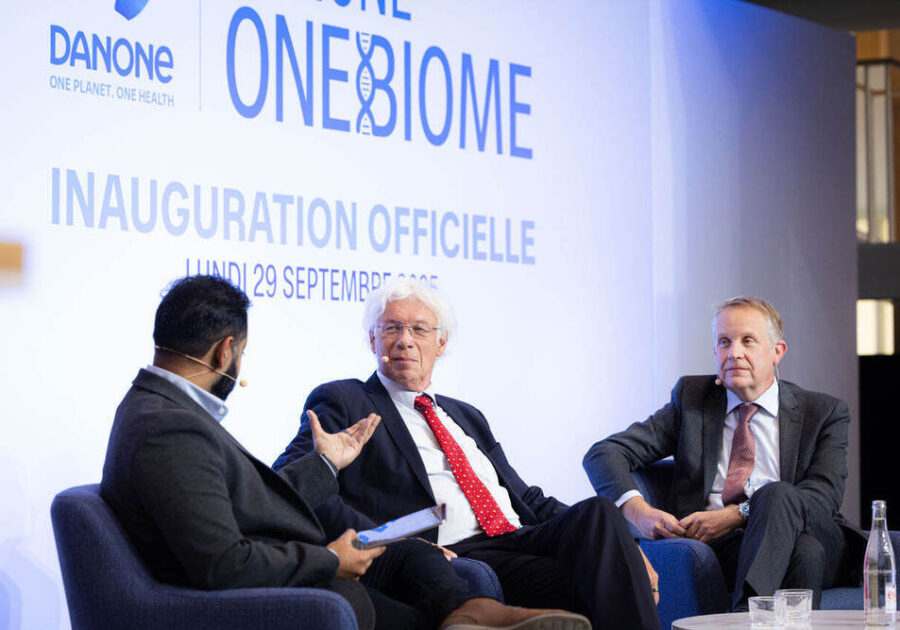
On 29 September, Danone unveiled its OneBiome Lab at its global research and innovation center in Paris-Saclay — a launch that signals a shift in how the food and beverage industry approaches health, nutrition, and scientific credibility.
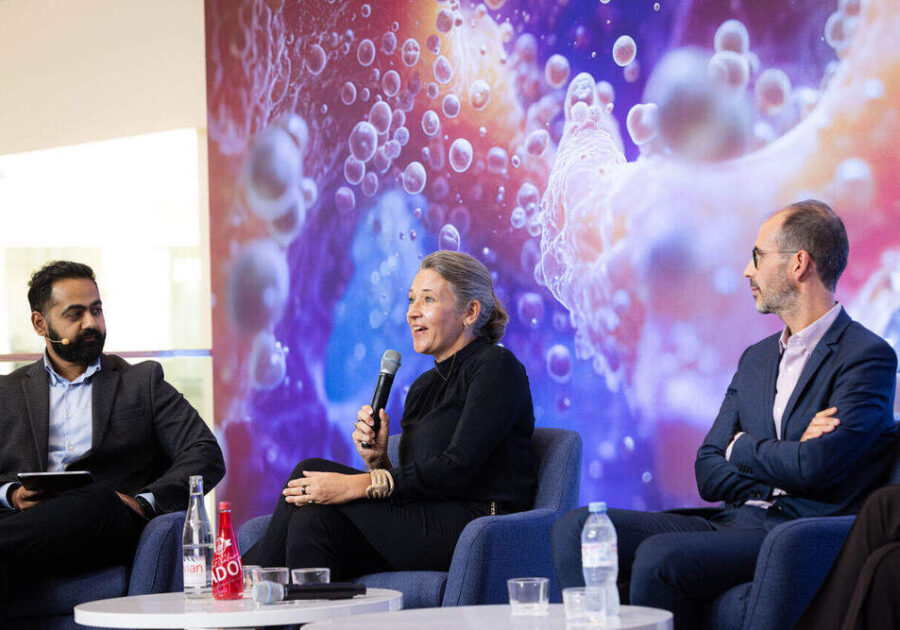 Hosted by NHS surgeon and science communicator Dr Karan Rajan, the event convened a constellation of scientific leaders, industry executives, and policy influencers to explore the future of microbiome science and its implications for consumers, product innovation, and public health.
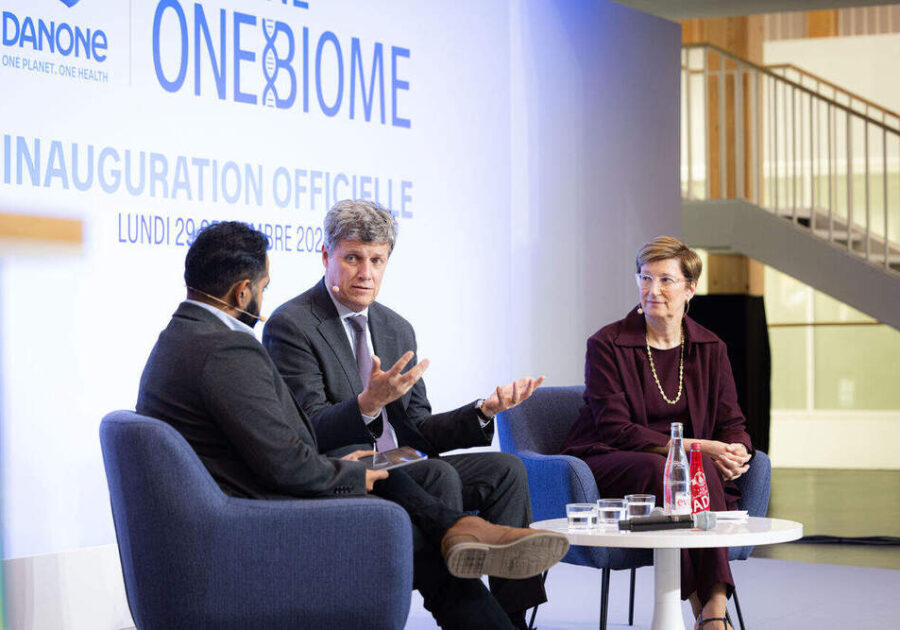
The OneBiome Lab is more than a research facility. It’s a strategic platform designed to decode the human microbiome and translate its complexity into targeted nutritional solutions. As Antoine de Saint-Affrique, Danone’s CEO, declared in his opening remarks, “We put science back at the heart of Danone… and today is one more step, not only putting science back but projecting science here for the next 10 or 20 years.”
Science as strategy: Danone’s compass
Danone’s pivot toward science-led innovation is not a cosmetic rebrand — it’s a fundamental reorientation of its business model. “We are not just launching a lab,” said Isabelle Esser, chief research & innovation officer. “We are launching a new way of working, a new way of thinking, and a new way of collaborating.”
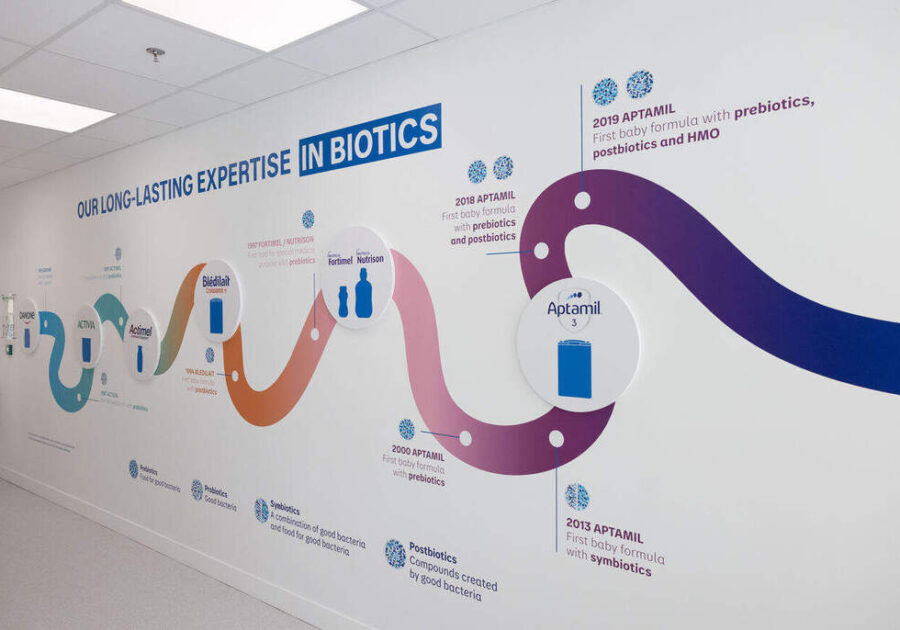 The OneBiome Lab will serve as a nucleus for microbiome research, integrating data science, clinical trials, and nutritional formulation. It’s designed to build expansive datasets — 70,000 microbiome profiles and counting — and develop predictive models that can inform personalised nutrition strategies. “We want to work on very specific populations,” Esser explained. “To ensure that we can then develop elements and nutritional solutions for those specific needs — being patient or consumers.”
This precision approach marks a departure from the one-size-fits-all wellness claims that have long dominated the industry. Instead, Danone is investing in targeted biotics, condition-specific formulations, and evidence-based interventions that reflect the complexity of human biology.
The microbiome: from gut to global health
 The microbiome is no longer a niche scientific curiosity — it’s a central pillar of modern health science. “The gut microbiome is actually the largest microbiome in the human body,” Esser noted. “It’s a completely unique system of 100 trillion microorganisms with billions of interactions.”
These microorganisms influence immunity, metabolism, mental health, and even ageing.
Dr Katrien Van Laere, Danone’s chief medical officer, highlighted the growing consumer awareness around gut health. “57% of consumers think they can impact their health through diet… 90% understand they need to increase their fibre intake.” The OneBiome Lab aims to meet this demand with rigorously tested, personalised nutrition solutions.
A galaxy of collaborators
Danone’s microbiome ambitions are powered by a vast ecosystem of academic and industrial partnerships. From the University of Cork to the Institut Pasteur and INRAE, the lab is embedded in a network of global research institutions. “We work with a galaxy of universities,” said de Saint-Affrique. “That’s the only way to do breakthrough innovation.”
Professor Benoit Chassaing of the Pasteur Institute echoed this sentiment: “We are really at a turning point… by understanding those mechanisms, we can start to have an impact on disease courses and try to prevent chronic diseases.”
This collaborative model is designed to accelerate discovery, validate findings, and ensure that scientific insights are translated into real-world applications. It also positions Danone as a convener of microbiome expertise — a role that could shape regulatory frameworks, consumer education, and industry standards.
Akkermansia: a case study in targeted biotics
 One of the most compelling announcements at the launch was Danone’s acquisition of The Akkermansia Company, founded by Professor Willem de Vos. Akkermansia muciniphila, a gut bacterium known for its role in maintaining the intestinal barrier, is now being developed into a pasteurised biotic with proven health benefits.
“It reduces inflammation, obesity risk, and even affects the gut-brain axis,” said de Vos. “It’s stable, effective, and easy to integrate into food products.”
This move exemplifies Danone’s strategy of translating microbiome science into scalable, consumer-ready solutions. Professor Jan Knol, Danone’s director of gut microbiome science, added: “We now have a big database of 70,000 in-depth microbiome analyses… we can define health trajectories and intervene earlier.”
The Akkermansia acquisition also reflects a broader industry trend: the rise of targeted biotics that go beyond probiotics and prebiotics to deliver condition-specific benefits. These products are backed by clinical data, manufactured with precision, and marketed with transparency — a model that could redefine consumer trust in functional foods.
Microbiome meets AI: a future of predictive nutrition
The convergence of microbiome science, artificial intelligence, and wearable technology was a recurring theme throughout the event. “Your microbiome affects your glucose response to the same ice cream,” said Van Laere. “This connection between microbiome, inflammation, and mental health provides a super cool opportunity to impact health and well-being.”
Professor Andrea Maier of the National University of Singapore described the development of digital twins — personalised models that integrate genome, epigenetics, microbiome, and wearable data. “We’re creating models that include genome, epigenetics, microbiome, and wearable data… to reshape the aging process through evidence-based interventions.”
These models could enable real-time health monitoring, predictive diagnostics, and personalised dietary recommendations. For the food and beverage industry, this opens up new frontiers in product development, consumer engagement, and health outcomes.
Bridging science and public understanding
One of the most urgent challenges facing the microbiome movement is communication. Nutritionist and author Rhiannon Lambert stressed the importance of translating complex science into accessible public messaging: “Less than 2% of nutrition info on TikTok is accurate… we need regulated professionals online to communicate evidence-based messages in digestible formats.”
Dr Rajan, who hosted the event, emphasised the role of science communicators in bridging the gap between research and public understanding. “We need to make science sexy,” he quipped, underscoring the need for engaging, accurate, and relatable content.
Danone’s OneBiome Lab is poised to play a central role in this effort, not only by generating credible science but by shaping how that science is communicated to consumers, healthcare professionals, and policymakers.
Industry implications
The launch of the OneBiome Lab is a clarion call for the food and beverage industry to rethink its approach to health, innovation, and consumer trust. It signals a move away from generic wellness claims and toward precision nutrition, backed by rigorous science and tailored to individual needs.
For manufacturers, this means investing in microbiome research, building cross-disciplinary teams, and developing products that reflect the complexity of human biology. For retailers, it means curating offerings that are not only functional but credible. And for marketers, it means crafting narratives that are grounded in evidence and resonate with informed consumers.
As de Saint-Affrique put it: “It’s moving from opinion to science, and from science to impact.”
From patients to consumers
One of the most transformative aspects of the OneBiome Lab is its ability to blur the lines between clinical nutrition and consumer health. “We want to work on very specific populations,” Esser reiterated. “To ensure that we can then develop elements and nutritional solutions for those specific needs — being patient or consumers.”
This dual focus enables Danone to develop products that serve both therapeutic and preventive functions. Whether it’s a medical nutrition solution for inflammatory bowel disease or a functional yogurt for mental well-being, the lab’s output is designed to span the health continuum.
Professor Jan Knol emphasised the importance of early intervention: “We can define health trajectories and intervene earlier.” This proactive approach could reduce healthcare costs, improve quality of life, and position food as a first-line of defence in public health.
Building the infrastructure for innovation
The OneBiome Lab is an infrastructural investment. It includes advanced sequencing technologies, data analytics platforms, and formulation capabilities. It’s staffed by microbiologists, data scientists, nutritionists, and clinical researchers. And it’s embedded in a broader ecosystem of academic and industrial partners.
This infrastructure enables Danone to move quickly from discovery to application, from insight to impact. It also provides a model for other companies seeking to integrate science into their innovation pipelines.
As Esser put it: “We are launching a new way of working, a new way of thinking, and a new way of collaborating.”
Sustainability and the microbiome
While the launch focused primarily on health, the microbiome also has implications for sustainability. Gut health is influenced by diet, and diet is influenced by agricultural practices. By promoting fibre-rich, plant-based foods, microbiome science could support more sustainable food systems.