Fruit Logistica 2026: Michael Koch unveils insights in European Statistics Handbook 2026
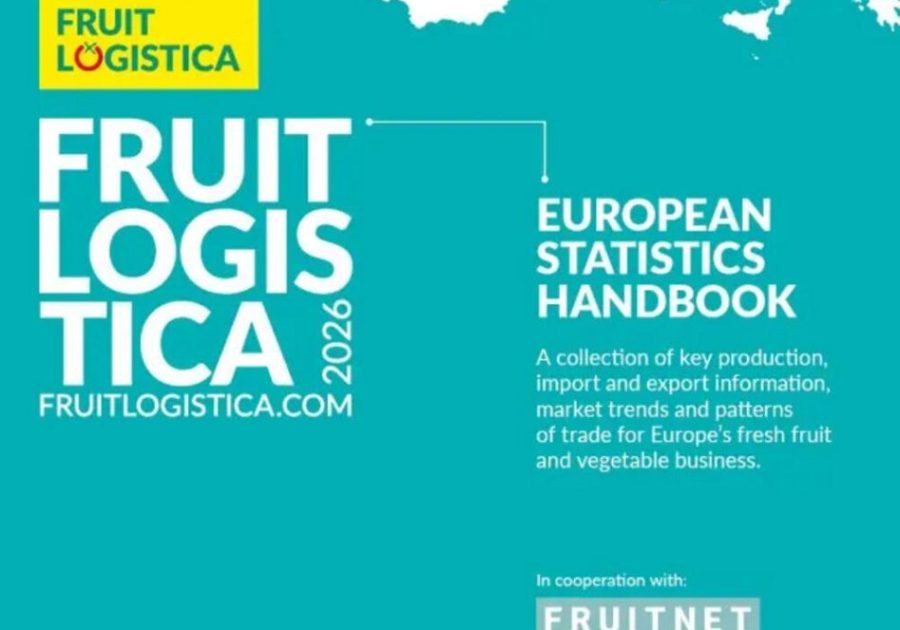
As Fruit Logistica 2026 hits its midway point, industry leaders are parsing the data from the newly released European Statistics Handbook 2026.
In a featured interview at the event, the handbook’s author and AMI market expert, Michael Koch, provided a sobering yet resilient outlook for the fresh produce sector.
The three-day exhibition, which opened its doors yesterday, February 4, and concludes tomorrow, has been dominated by discussions on how to navigate a “perfect storm” of climate instability and shifting consumer habits.
Climate change: no longer a “future” risk
Speaking on the data compiled for the 2026 edition, Koch emphasized that extreme weather has moved from a sporadic threat to a permanent market disruptor.
“The weather is the biggest variable,” Koch noted, citing the 2025 season as a prime example. From prolonged wet periods in Central Europe to the devastating floods in Valencia, the handbook reveals how production zones are shifting. While yields have shown surprising resilience, Koch warned that the industry is seeing higher “sorting losses” — meaning less of what is grown is actually making it to the supermarket shelves due to quality issues.
The era of the discounter
A major highlight of the interview was the permanent shift in European shopping behaviour. Despite some cooling of inflation, the “price-conscious consumer” is here to stay.
- Retail dominance: discounters have solidified their market share across Europe, particularly in Germany and the UK.
- The profit squeeze: Koch pointed out a troubling paradox: while fresh produce remains a “traffic generator” for retailers, the rising costs of energy, labour, and seeds are not being fully recovered by the growers. “The consumer is currently the winner,” Koch remarked, “but the pressure on the start of the supply chain is immense.”
Labour shortages and regulatory hurdles
The 2026 handbook identifies labour as a “structural crisis” rather than a temporary trend. The scarcity of seasonal workers and drivers is actively dictating what crops are planted. Koch observed that labour-intensive categories, such as berries and certain stone fruits, are seeing production areas stagnate or shrink as farmers pivot toward more mechanized crops.
Furthermore, the reduction in available crop protection tools in the EU is making pest management increasingly complex, adding another layer of risk to the 2026-2027 forecast.
Trade flows: bridging the gap
To counter domestic production volatility, the 2026 statistics show a significant uptick in imports from the Southern Hemisphere and North Africa. Products like easy-peelers, avocados, and onions have seen double-digit growth in import volumes to ensure year-round availability for European consumers.