
Mars’ £190m upgrade signals a new era for UK chocolate manufacturing
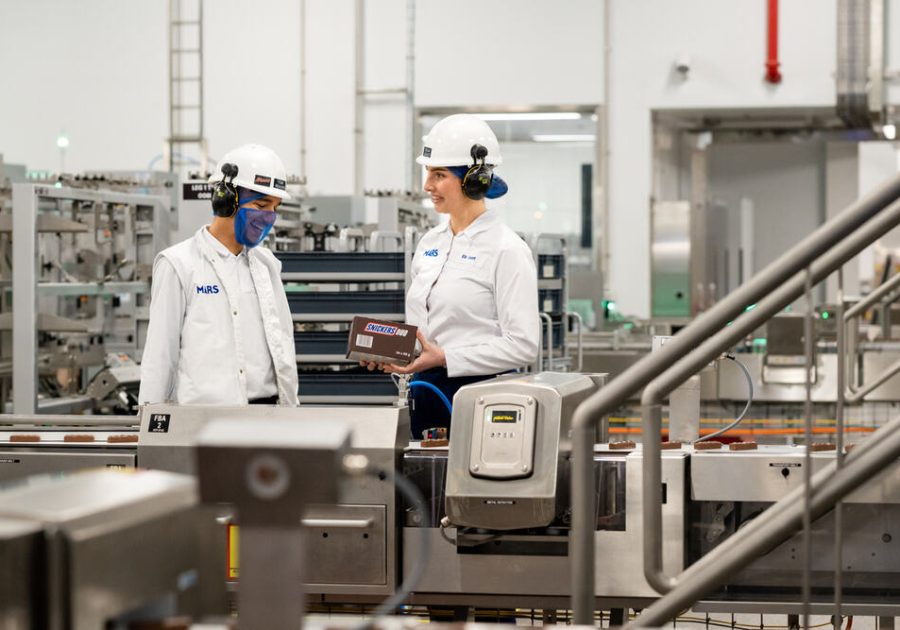
Mars has committed £190 million to transform its Slough chocolate factory into a next‑generation production hub, in one of the largest single‑site investments seen in UK food manufacturing in recent years.
The programme, running from 2023 to 2028, introduces robotics, AI‑enabled machinery, upgraded utilities and digital twin technology to a site that has produced the Mars Bar for nearly a century.
Adam Grant, general manager Mars Snacking UKI, said the investment reflects the company’s long‑term confidence in Britain as a manufacturing base.
“This investment reflects our confidence in the UK as a hub to manufacture and innovate,” he said. “In taking a long‑term view, we are ensuring our operations remain world‑class, competitive and fit for the future.”
The Slough site, which employs more than 1,850 people, supplies the UK, Ireland and the Netherlands. The upgrade strengthens its role within Mars’ European network at a time when global confectionery supply chains face rising costs and volatility.
Digital transformation on the factory floor
A central pillar of the investment is the deployment of AI‑driven digital twins, enabling engineers to simulate and optimise production in real time. The technology is expected to improve consistency, reduce waste and enhance responsiveness across product lines.
Mars says the digital twin system will support precise process control and help deliver the “perfect” Mars Bar every time — a nod to the commercial value of uniformity in a category where brand equity is built on sensory consistency.
The factory is also receiving advanced cooling systems and energy‑efficient utilities, supporting Mars’ wider sustainability commitments and reducing operational costs.
Upskilling the workforce for an automated future
Alongside physical upgrades, Mars is investing in workforce development, creating new pathways into automation, engineering and data‑driven manufacturing roles. The company’s apprenticeship and mentoring programmes are already increasing diversity in technical roles, with 77% of apprentices now coming from ethnically diverse or low socio‑economic backgrounds.
Grant said the company’s heritage in Slough is matched by its responsibility to prepare its workforce for the future.
“Our Slough factory is deeply rooted in our heritage, and as a proud family‑owned business, we are committed to investing in a future that creates lasting, positive impact for the communities in which we operate.”
A confidence marker for the UK food sector
The investment has been welcomed by government and local leaders as a sign of renewed confidence in UK manufacturing.
Business and Trade Secretary Peter Kyle said: “This £190 million investment by Mars is a strong vote of confidence in the UK as a place to manufacture and innovate. For nearly a century, the Slough factory has produced some of the world’s best‑loved brands, and this investment shows global businesses continuing to back British skills, workers and industry.”
Slough MP Tan Dhesi added that the commitment reinforces the company’s long‑standing role in the community.
“Mars has been part of our community in Slough for almost a century and remains one of our major local employers,” he said. “This £195 million investment is a clear vote of confidence in our local economy and workforce.”
A blueprint for the next decade of food manufacturing
Mars’ modernisation programme reflects broader shifts across the UK food and drink sector, including:
- AI‑enabled production
- Low‑carbon utilities
- Digitally skilled workforces
- Resilient supply chains
As global FMCG companies reassess their manufacturing footprints, Mars’ decision to modernise rather than offshore sets a precedent. It demonstrates that legacy UK sites can be transformed into high‑value, digitally orchestrated production centres capable of competing internationally.
Topics
AI automation chocolate confectionery data digital twin waste reduction
PeopleAdam Grant Peter Kyle Tan Dhesi
OrganisationsRegions