Consumer confidence in recycled plastic surges
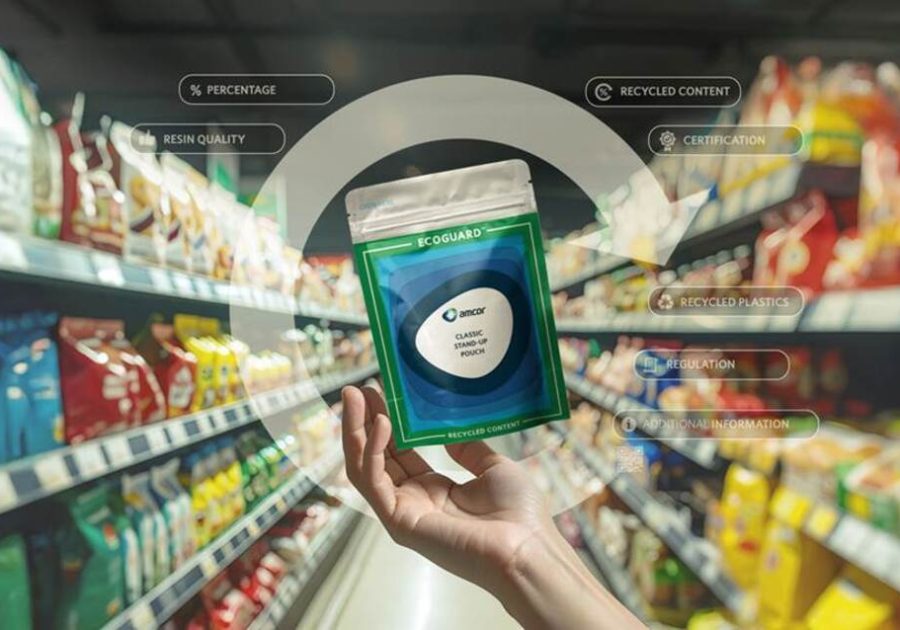
Amcor has released a comprehensive new consumer insight report revealing that European shoppers are not just aware of recycled plastic — they are actively seeking it out.
The report, titled Recycled Content, Real Impact, draws on a survey of 3,201 consumers and 32 in-depth qualitative interviews across six major European markets. The findings signal a tipping point for the consumer packaged goods (CPG) industry: 91% of European consumers are now aware that supermarket staples — ranging from food and beverages to pet care and beauty products—utilise recycled plastic in their packaging.
The research highlights that familiarity has rapidly translated into purchasing behaviour. Key statistics from the report include:
Active purchasing: 76% of European grocery shoppers have knowingly purchased products featuring recycled packaging.
Environmental efficacy: 79% believe that using recycled plastic is an effective way to reduce a product’s environmental footprint.
Brand trust: 63% of respondents state that the use of recycled content directly increases their trust in a brand.
A significant hurdle for manufacturers has been the perception that recycled materials might compromise product integrity. Amcor’s data suggests these fears are largely unfounded:
Neutral to positive: over half (53%) of consumers say recycled plastic makes “no difference” to their perception of quality.
The youth driver: more than one in five (22%) say it actually improves quality. This sentiment jumps to 34% among 18 to 34-year-olds, who increasingly associate sustainability with premium value.
“Consumers understand recycled material and respond very positively to it,” said Sarah Neerkorn, market insights manager at Amcor and lead researcher on the project.
While enthusiasm is high, consumers are wary of greenwashing and are demanding verifiable proof. The report found that 79% of consumers want to see independent third-party certification on-pack, while 58% want the exact percentage of recycled material clearly disclosed.
“It’s clear how much consumers value third-party certification,” Neerkorn added. “Even though they may not understand what’s behind the certification, it gives them reassurance and adds to the credibility of the claim.”
With the European Union’s mandatory recycled plastic targets set to take effect in 2030, Amcor experts warn that waiting is no longer a viable strategy.
Lucie Charbonnel, sustainability director for Amcor, urges brand owners to begin integration immediately. “Starting PCR use now, even if only for specific SKUs or geographies, will enable technical validation and help brands to set up traceability processes for certifications,” Charbonnel explained.
Beyond regulatory compliance, Charbonnel pointed to immediate financial benefits: “Brand owners can take advantage of financial incentives available today in some countries that reward the use of PCR, either through reduced plastic tax or bonuses within Extended Producer Responsibility (EPR) schemes.”
The full Recycled Content, Real Impact insight report is available for download at Amcor’s Insights Hub.