Syngenta’s $10m R&D hub to defend global food supply chains
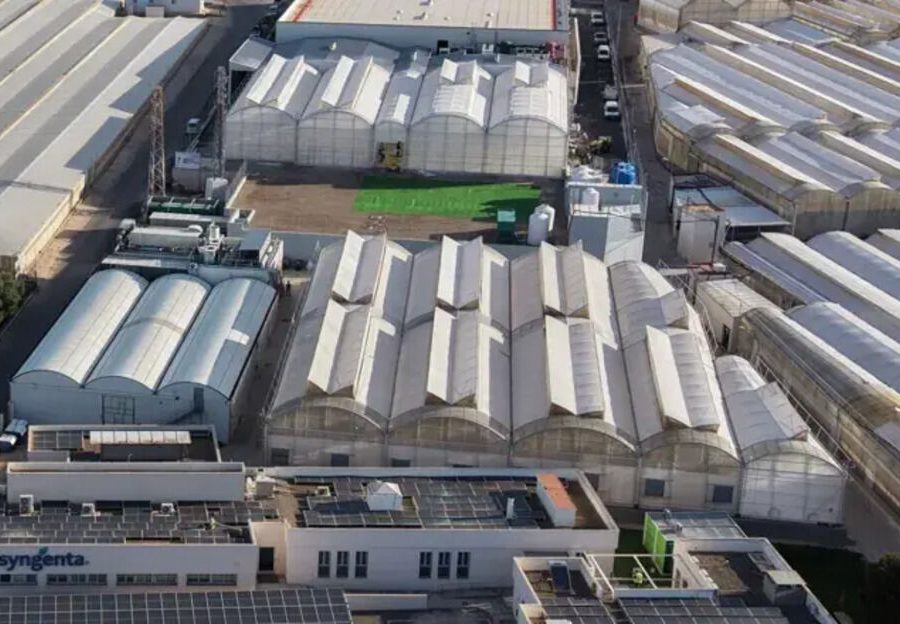
Syngenta Vegetable Seeds has officially opened a state-of-the-art, $10 million R&D Technology Center in El Ejido, Almería, establishing a highly advanced line of defence for global food security.
The facility is engineered to confront a critical threat to the international food supply chain: emerging plant pathogens that are destroying key vegetable crops, including tomatoes, peppers, and cucumbers.
By consolidating molecular breeding, seed operations, applied data science, and strict quarantine capabilities under a single roof, the centre aims to dramatically reduce traditional seed-breeding timelines. For food manufacturers and retailers relying on a consistent, year-round supply of fresh produce, this compressed R&D pipeline means resilient, disease-resistant crop varieties will reach commercial fields years faster than previously possible, according to the company.
Disrupting timelines with a field-to-lab model
The operational core of the new Technology Center relies on a proactive “field-to-lab” methodology. Rather than waiting for crop diseases to be identified and studied strictly in distant isolated laboratories, Syngenta’s researchers begin their diagnostics directly within growers’ fields.
Matthew Johnston, global head of Syngenta’s vegetable seeds business, highlighted the urgency driving this capital investment: “New pathogens are emerging at an unprecedented rate, affecting growers around the world. It’s essential to deliver strong, resistant seeds to protect crops and growers’ livelihoods. This investment further reinforces our commitment to support growers with innovation and bring solutions to help protect their crops – not only in Spain – but across the globe.”
By compressing the time it takes to identify a field threat and breed a resistant trait into commercial seed lines, the facility directly mitigates the risk of catastrophic crop failures that destabilise downstream food manufacturing, processing, and retail pricing.
Advanced biosafety
The selection of Almería for this $10 million hub is highly tactical. Southern Spain features the world’s largest concentration of greenhouses — covering over 30,000 hectares and producing nearly 4 million tons of vegetables annually. This massive production footprint makes it both a critical pillar of European food availability and a high-stakes environment for potential disease outbreaks.
To safely study virulent new plant threats without risking accidental transmission to nearby commercial greenhouses, the Technology Center has been equipped with specialised biosafety technology. This enables scientists to work with emerging pathogen threats inside a highly controlled, quarantined environment while maintaining strict plant health standards.
Uri Krieger, global head of R&D for Syngenta vegetable seeds, explained how the localised insights generated at the site will feed into a broader global defense system: “As part of a global network of Innovation Centers, this site is one of the best examples in demonstrating the close connection between our breeders and the growers who rely on our product performance, quality and availability to secure their production needs. The work we do here year-round with a team of incredible scientists not only supports growers in Spain but all around the world, as we share insights and data with R&D teams strategically located in every major growing region.”
Stabilising the agrifood ecosystem
In an era where climate volatility and global trade networks accelerate the spread of agricultural diseases, food security is increasingly dependent on seed tech agility. If a new virus or fungus decimates a primary tomato or cucumber crop, the entire supply chain suffers from immediate volume shortages, manufacturing closures, and severe retail inflation.
By integrating applied data science and digital tools directly with crop breeding, Syngenta is transitioning the seed industry away from reactive breeding toward predictive crop protection. The opening of the El Ejido facility, which was attended by Spanish Minister of Agriculture Luis Planas, establishes a blueprint for how input suppliers can build a more predictable, climate-resilient foundation for the global food and beverage trade.