Dutch meat waste monitor reveals untapped opportunities
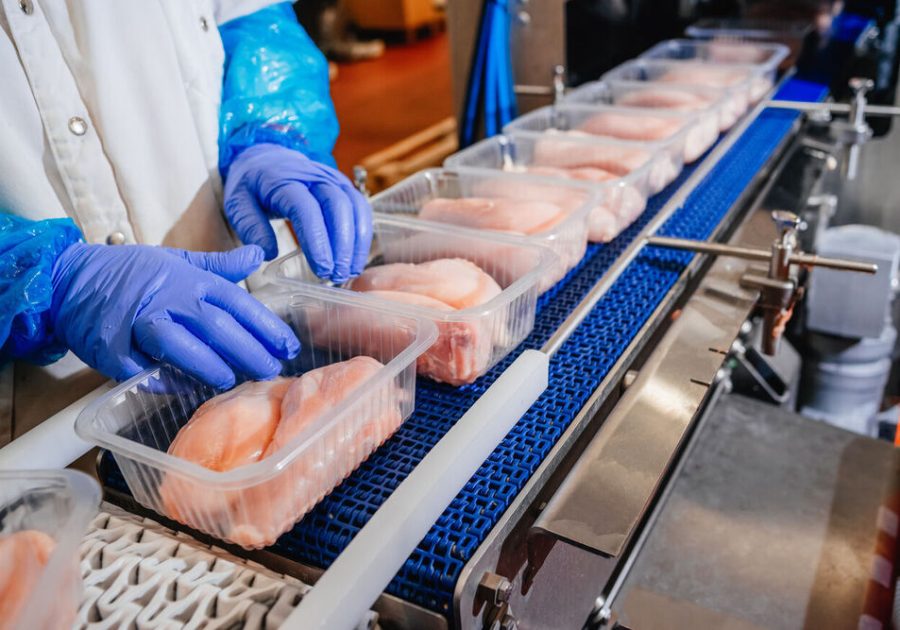
The latest results from the Dutch meat industry’s food waste monitoring programme show that measuring residual streams is delivering far more than compliance data.
As participation grows, the initiative is providing processors with a clearer picture of where waste can be reduced, where value can be recovered and where existing legislation may be preventing the highest-value use of by-products.
For food manufacturers, reducing waste has become both an environmental imperative and a commercial necessity. Rising raw material costs, sustainability commitments and increasingly detailed reporting requirements mean every kilogram of product matters.
New findings from the Dutch meat processing sector suggest that systematic monitoring is becoming one of the industry’s most valuable tools for identifying opportunities to improve resource efficiency.
The monitoring programme, led by Stichting Samen Tegen Voedselverspilling in collaboration with Wageningen University & Research and the Dutch meat products industry association (VNV), has expanded again this year. New participants mean that more than half of the sector’s combined production is now represented, creating a much richer dataset from which manufacturers can benchmark their performance.
Rather than simply measuring food waste, the monitor is helping companies understand precisely where residual streams arise during production, how they are currently utilised and where further improvements are possible.
From measurement to improvement
The latest results show average residual stream levels of 4.2% during processing and 4.4% during slicing operations. Importantly, these figures do not automatically equate to food waste.
Much of the material is diverted into animal feed or pet food, keeping valuable nutrients within the food chain. Other streams are sent for anaerobic digestion, where they generate renewable energy but are classified as food waste within the monitoring methodology. The exact balance between these destinations is one area requiring further analysis.
For manufacturers, this distinction matters.
Understanding not only how much material leaves production but also where it ultimately goes provides a stronger basis for investment decisions, process optimisation and sustainability reporting.
Data reveals opportunities for greater value recovery
One of the programme’s biggest strengths is its ability to highlight previously hidden opportunities.
Participating companies receive anonymised benchmarking data that allows them to compare their own performance with sector averages while maintaining commercial confidentiality. This enables processors to identify where losses occur, improve yield and reduce unnecessary giveaway.
As datasets become larger and more detailed, the monitor is also helping identify residual streams that may have greater commercial potential than their current destination.
Instead of viewing by-products solely as waste management challenges, manufacturers can increasingly consider whether higher-value applications exist in food ingredients, pet food, feed, biomaterials or bio-based products.
Regulation remains a barrier
However, the monitoring programme has also highlighted an important challenge.
In some cases, legislation and regulatory requirements limit how residual streams can be reused, even where technically viable alternatives may exist. The findings are providing policymakers with better evidence of where regulations may unintentionally restrict circular economy ambitions or prevent greater valorisation of food industry by-products.
Food safety remains paramount, and researchers emphasise that any reuse of residual streams must comply with strict hygiene and traceability requirements. Recent work by the Dutch National Institute for Public Health and the Environment (RIVM) similarly concludes that residual streams can often be safely reused when robust food safety controls and clear regulatory guidance are in place.
Supporting reporting and operational performance
Beyond waste reduction, the monitoring data is becoming increasingly valuable for broader business objectives.
Manufacturers can use the information to support carbon footprint calculations, sustainability reporting and operational performance improvements. As environmental reporting expectations continue to increase, having robust, comparable production data is becoming an important competitive advantage.
The initiative also demonstrates the value of industry-wide collaboration. By pooling anonymised data, companies can gain insights that would be difficult to generate individually while helping establish realistic sector benchmarks.