Analysis: Mars maps the aisle-free future
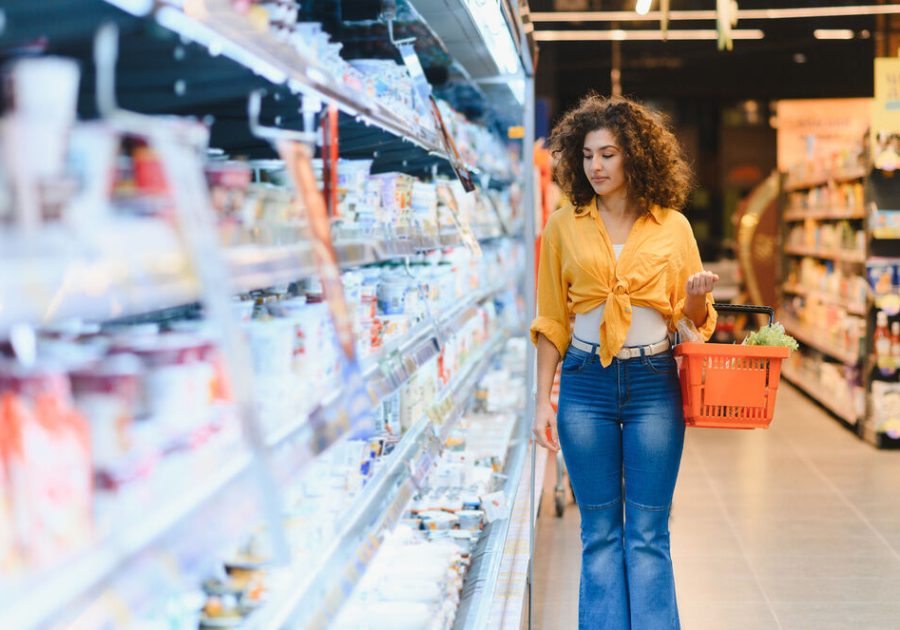
Mars has analysed more than 180,000 data signals to predict a decade in which routine grocery runs run themselves and physical stores become destinations. The numbers point to two very different battles: winning a place on the automated list, and earning a visit to the shelf.
What Mars actually counted
Mars, on behalf of its snacking business, has published a study built with consumer research specialists Kantar and Synthesis. The 180,000-plus “data signals” span four continents and, according to the methodology note, draw on 11 stakeholder and expert perspectives, more than 30 prior research reports, 91,500 channel publications, 79,300 shopper publications and 4,999 curated podcasts. Global English-language news and podcast content was collected from January 2024 to December 2025, and the analysis identified more than 150 drivers of change.
That is worth reading carefully. The headline figure is a measure of breadth of horizon-scanning, not a survey of 180,000 shoppers. The study is a forward-looking synthesis of what industry, media and experts are saying and publishing, and producers should treat its predictions accordingly.
Three demands, three data points
Mars distils the research into three future shopper demands: Effortless, Personal and Experiential. Each is backed by a headline statistic drawn largely from third-party sources.
- Effortless: according to BrightEdge, AI referrals to e-commerce brands jumped 752% year over year during the 2025 holiday season, a figure projected to grow to $788B by 2035.
- Personal: TransUnion data cited by Mars shows 39% of consumers already expect personalised online experiences, a trend increasingly health-led, with mobile health and wellness apps projected to grow 15% annually through 2030.
- Experiential: immersive brand spaces are seeing 15.3% year-over-year growth, while eMarketer reports that 22% of US digital buyers already shop via livestream.
A retail world split in two
The central prediction is a duality. Shopping becomes, in Mars’s words, a frictionless background service managed by agentic technology, while physical stores and digital platforms feel “less like supermarkets, convenience stores or typical online shopping, and more like immersive playgrounds designed for discovery and entertainment.”
Neil Reynolds, global chief customer officer, Mars Snacking, framed the shift in stark terms: “We’re standing on the brink of a retail revolution — one where people may never have to manually shop for household staples again. For a category like snacking, this is both an opportunity and a strategic challenge.”
The release anticipates that legacy browsing and impulse shopping behaviours will give way to predictive fulfilment that happens in the background, with agentic systems making recommendations based on preferences and inventory and requiring only shopper confirmation.
The producer problem
The study is written from a snacking brand owner’s perspective, but its implications travel upstream. If agentic systems build baskets from preferences and inventory, then product data, availability and relevance to an individual shopper’s goals become the entry ticket. Mars says retailers “must both earn a spot on automated lists and find new ways to spark spontaneity and curiosity in discovering new offerings.”
For producers, that raises a pointed question about where growth comes from. Routine replenishment may be won or lost before a human ever sees the shelf, while newness and trial may depend on in-store and online experiences built around culture and trends. The personalisation strand adds a formulation and portfolio angle: Mars points to agents recommending protein-rich options before a workout, assembling treats for a party and honouring moments of indulgence, all while protecting consumer privacy. Ranges that can be matched to a wellness goal or an occasion look better placed than those that cannot.
Mars is explicit that it cannot do this alone. “No single company can solve this alone,” said Reynolds. “The only path forward is to work hand-in-hand with retail customers and all partners who are ready to lead this transformation.”
‘Future growth’
The direction of travel is clear enough for producers to act on. Three questions are worth asking now: how visible and machine-readable is our product information to automated purchasing systems; does our range map to specific health, occasion or indulgence needs; and what do we bring to a retailer that wants its stores and platforms to be places people choose to visit. Mars’s own conclusion is that understanding this new ecosystem “is no longer just a competitive advantage — it is essential for future growth.”
TopicsPeopleOrganisations