The algorithm of altruism
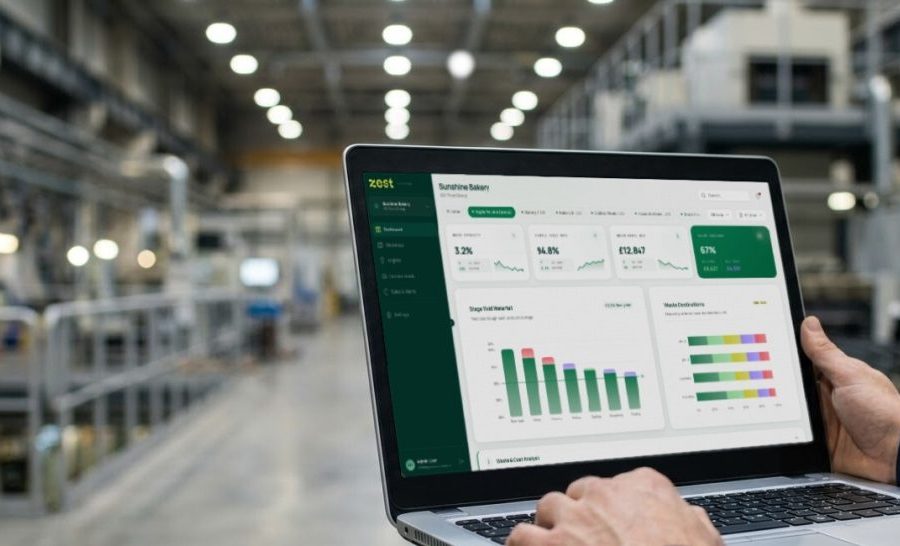
The successful pilot between Nestlé, Zest, and FareShare is more than a feel-good CSR story; for those behind it, it is a proof-of-concept for a structural shift in how the global food chain handles inefficiency.
For decades, food waste has been a data blind spot — an accepted cost of doing business because manual tracking was too slow to match the shelf-life of perishable surplus.
Here is why this AI-led model has the legs to transform the industry permanently:
1. Turning waste into a profit centre
The project demonstrated a 15-fold increase in revenue by identifying edible surplus that previously would have been downgraded to animal feed or landfill. In an era of record-high raw material costs and razor-thin margins, AI shifts the narrative from charitable giving to asset recovery. When sustainability aligns with the balance sheet, adoption moves from optional to inevitable.
2. Real-time logistics versus perishable windows
The fatal flaw in traditional redistribution is time. By the time a human identifies a surplus on a production line, the logistical window to move it safely to a charity often closes. Zest’s “AI factory intelligence layer” solves this by syncing manufacturing data directly with the real-time capacity of partners like Company Shop Group. It creates a just-in-time supply chain for surplus, ensuring food reaches a plate while it is still at peak quality.
3. Overcoming data silos
Large-scale manufacturing is notoriously fragmented. This pilot proved that AI can act as a unifying fabric, connecting production, logistics, and charity demand into a single connected care ecosystem. As the Sustainable Ventures White Paper suggests, the long-term success of this model depends on reaching a critical mass of users. Once a single, unified platform becomes the industry standard, the cost of participation drops while the social and environmental impact scales exponentially.
The bottom line
We are entering an era where “leaving surplus unmanaged is a choice,” as Zest CEO Dini McGrath noted. By de-risking the technology through this £1.9m BridgeAI project, the consortium has provided the blueprint for a resilient, circular food system. Long-term, this isn’t just about saving meals; it’s about building a smarter, more competitive food industry that finally values every calorie produced.
Visit here for a guide on Health and Safety Requirements for Event Planning.
- Rodney Jack, editor, Food & Drink Technology. Keep in touch via email: [email protected] X: @foodanddrinktec or LinkedIn: Food & Drink Technology magazine.