A circular protein future
The latest foresight work from EIT Food offers a compelling vision of how Europe’s protein system could evolve — and a gentle warning about where it is currently heading.
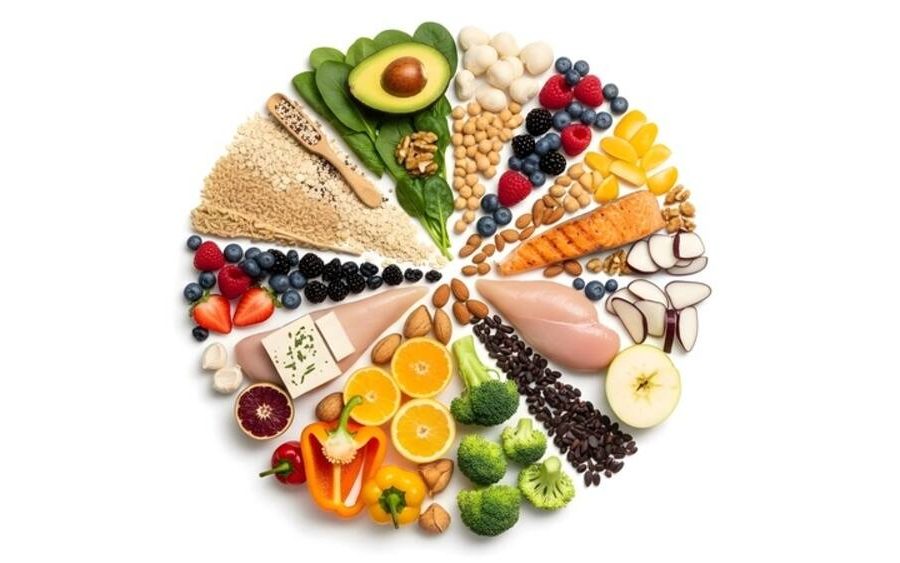
At the centre of the analysis is the idea of a “Circular Protein Renaissance”: a food system that diversifies protein sources across plant, animal and biotech, while making far better use of by-products and waste streams.
It’s a vision that appears to resonate widely across industry, research and policy communities, having been identified as the most desirable of four future scenarios.
On paper, the appeal is that a more circular approach could reduce pressure on land and water, lower emissions, and improve resilience in the face of climate and geopolitical disruption. It also opens up new opportunities for farmers and manufacturers alike, from alternative crops to localised processing hubs.
But what makes the findings particularly interesting is the gap they reveal between aspiration and trajectory.
While stakeholders favour a circular future, the most likely outcome — based on current conditions — is described as an “uneven transition”. In other words, progress is happening, but not consistently. Some regions and sectors are moving quickly, while others remain anchored in more traditional models.
This tension feels familiar. Food systems are complex, deeply embedded and often slow to change, even when the direction of travel is widely agreed. The report’s identification of five key “levers” — from regulatory agility to consumer trust — highlights just how many moving parts need to align to turn vision into reality.
For businesses, the takeaway is less about immediate disruption and more about positioning.
Protein diversification is unlikely to unfold as a single, coordinated shift. Instead, it may emerge in pockets — through new ingredients, reformulated products, or regional supply chain innovations. Companies that engage early may find opportunities to shape these developments, while those that wait could find themselves adapting to changes set by others.
There is also a broader cultural dimension. As the report suggests, consumer acceptance will be critical. New protein formats and circular concepts will need to feel not just sustainable, but familiar and trustworthy.
Ultimately, the potential of the “Circular Protein Renaissance” lies in its practicality. It doesn’t rely on a single breakthrough, but on a series of coordinated improvements across the system.
The question is not whether the model works in theory — but whether the industry can bring enough momentum, alignment and clarity to make it work in practice.
- Rodney Jack, editor, Food & Drink Technology. Keep in touch via email: [email protected] X: @foodanddrinktec or LinkedIn: Food & Drink Technology magazine.
Topics