Plastics circularity stalls as Europe faces competitiveness crisis
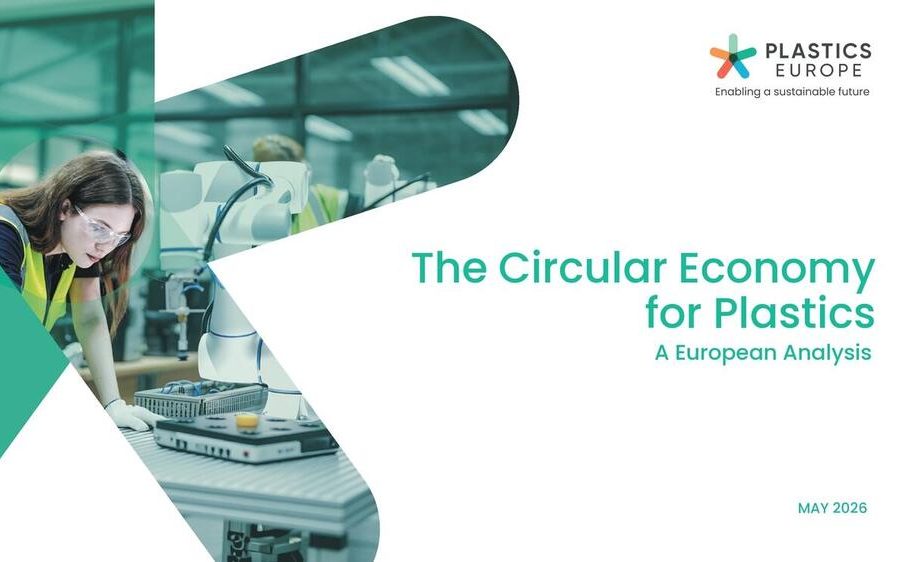
Europe’s shift toward a circular plastics system has slowed sharply, according to the newly published Circular Economy for Plastics 2026 report from PlasticsEurope.
The data shows that Europe’s annual growth in circular plastics production has fallen from 13.6% in 2022 to just 1.2% in 2024, signalling a dramatic loss of momentum at a time when global circular plastics production is accelerating.
The report attributes this slowdown to a competitiveness crisis across the European plastics value chain, driven by high energy and feedstock prices, emissions costs and unfair global trading conditions. As a result, manufacturers are “in survival mode” and unable to invest at the scale required to expand circular capacity.
Despite Europe maintaining the largest global share of circular plastics (15.8%), this leadership is increasingly fragile. Much of the apparent progress is due not to strong circular growth but to an 8.3% decline in fossil‑based plastics production between 2022 and 2024.
The report also highlights a growing structural weakness: Europe’s circular plastics system is becoming more dependent on external value chains. In 2024, 19% of converter demand for circular plastics was met through imports, while 12.4% of Europe’s collected plastic waste was recycled outside the region. This means valuable material, jobs and innovation are leaving Europe — undermining strategic autonomy and slowing domestic circular market development.
Waste management data shows only 29.6% of collected plastic waste is recycled, with 70.4% still sent to landfill or incineration. This gap between demand and domestic supply represents a missed opportunity to build a strong, self‑sustaining circular plastics economy.
PlasticsEurope warns that unless Europe restores competitiveness and accelerates investment in recycling infrastructure, the region risks deindustrialisation, weakened climate progress and long‑term dependence on imported circular materials. The organisation calls for urgent EU‑level action to create the right market conditions, scale domestic recycling and keep valuable waste within Europe.