Aston University reveals Mānuka honey’s hidden power
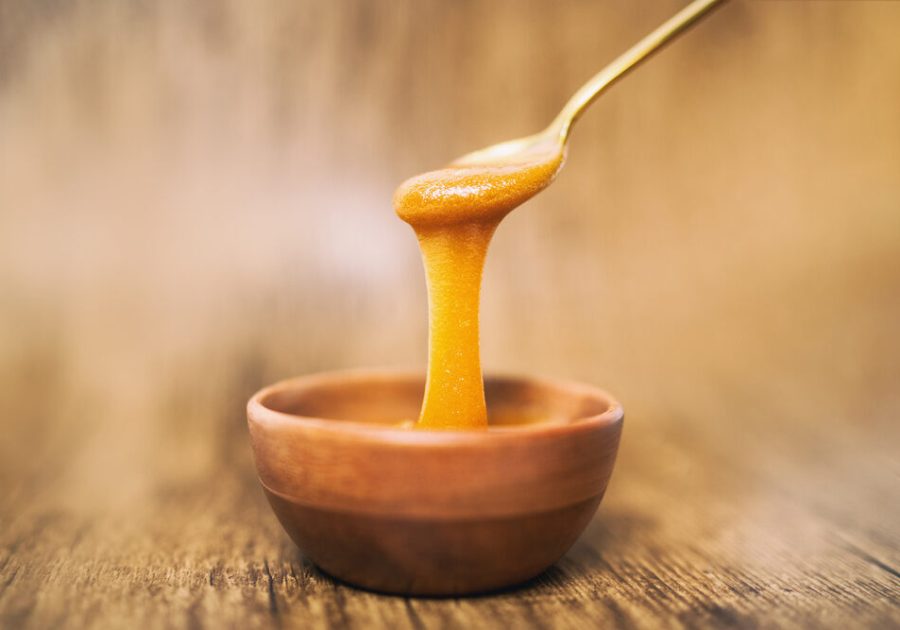
Aston University’s latest research has uncovered new evidence that mānuka honey’s antimicrobial strength comes from a complex mix of bioactive compounds — not just its sugar content and well‑known methylglyoxal (MGO).
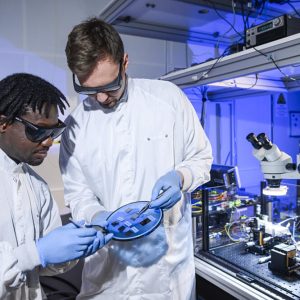
The study, led by Dr Jonathan Cox in partnership with New Zealand producer Comvita, tested honeys across the Unique Mānuka Factor (UMF) scale and found that higher‑UMF honeys showed stronger antimicrobial activity. But when researchers recreated artificial mixtures containing equivalent sugar and MGO levels, they couldn’t replicate the same effect. This suggests that additional compounds — and interactions between them — are driving mānuka honey’s potency against respiratory pathogens.
With antibiotic resistance rising globally, the findings highlight mānuka honey’s potential as a future therapeutic ingredient that does not appear to trigger resistance in the same way as conventional antibiotics.
Dr Cox said the research shows mānuka honey’s antimicrobial profile is “far more complex” than previously understood, while Comvita’s chief science officer Dr Jackie Evans added that MGO is “only part of the story”.
The team will now work to identify and characterise the additional compounds responsible, aiming to support the development of honey‑derived antimicrobial products.
To read the full paper, ‘UMF-dependent antimicrobial activity of Mānuka honey against respiratory pathogens cannot be explained by sugar and methylglyoxal alone’ in Microbiology, visit www.microbiologyresearch.org/content/journal/micro/10.1099/mic.0.001746.