Food waste’s hidden ingredient potential
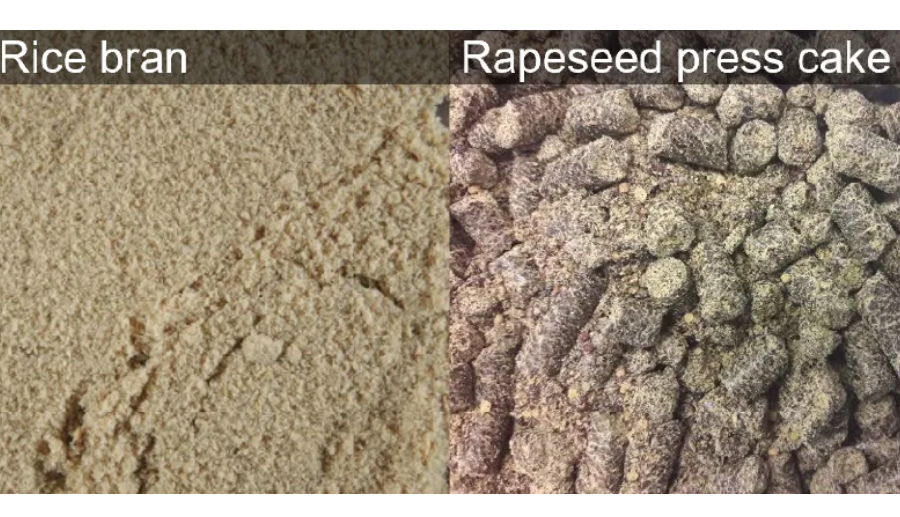
Side streams from the food industry examined in the study: rice bran and rapeseed press cake
Rice bran and rapeseed press cake have long sat at the bottom of the food industry’s value chain — by-products generated in bulk, sold cheaply into animal feed, and rarely considered as ingredients for human food. A new doctoral dissertation from VTT Technical Research Centre of Finland argues that’s an oversight the sector can’t afford to keep making.
The research, conducted by VTT Research scientist Anni Kortekangas, examines how these underused plant-based side streams could be tailored into functional food ingredients, offering manufacturers a route to both new protein and fibre sources and a more circular use of existing raw materials.
An underused resource under pressure
The timing isn’t incidental. Food systems face growing scrutiny over their contribution to ecological overshoot, and dietary guidance across Europe is shifting toward more plant-based eating and higher fibre intake — a combination that is pushing manufacturers to look for new sources of protein and dietary fibre. Rice bran, generated during milling, and rapeseed press cake, a by-product of oil extraction, are both rich in protein, fibre and minerals, yet remain only marginally used in human food today.
Kortekangas’s dissertation, Interactions of Protein, Dietary Fiber, and Co-Passengers in Plant-Based Side Streams – Technological and Digestive Perspectives, sets out to close that gap by mapping how these materials actually behave once they enter a food matrix.
Why phytic acid matters
The research’s central finding complicates a simple protein-and-fibre story. It shows that the functional performance of these side streams — their ability to form strong, water-binding structures critical to the texture of plant-based foods — is shaped not just by protein and fibre content but by other naturally occurring compounds, particularly phytic acid.
Enzymatic degradation of phytic acid improved that structure-forming ability, a result with direct relevance for manufacturers trying to engineer texture into plant-based products. Reducing phytic acid is separately known to improve mineral bioavailability, though the study found no significant change in protein digestibility as a result.
From waste stream to formulation tool
The practical upshot is a more granular understanding of how protein, fibre and minor plant compounds interact — knowledge that opens the door to using enzymatic and other biotechnological methods to deliberately tailor these raw materials for specific food applications, rather than treating them as a uniform, low-value input.
“The research helps us understand how the properties of these materials can be tailored to make them suitable for food applications,” Kortekangas said. She added that the findings can support the development of new plant-based foods and ingredients, make fuller use of currently underutilised side streams, and in doing so contribute to a more sustainable food system and more efficient use of natural resources.
Assets
For an industry under pressure to cut waste and diversify protein sources simultaneously, this research reframes two overlooked by-products as assets for formulation. The bottleneck now shifts from availability — there is no shortage of rice bran or rapeseed press cake — to application know-how: understanding how to modify these materials so they perform reliably in finished products. Manufacturers willing to invest in that technical groundwork may find a lower-cost, more sustainable route to protein and fibre fortification than sourcing entirely new raw materials.
Topics
food waste fortification Functional ingredients phytic acid plant-based side streams
PeopleOrganisations