Whole Foods spills the beans on 2027
Simpler formulations, whole-food protein and provenance are set to become increasingly important forces in food and drink innovation in 2027, according to Whole Foods Market’s latest UK trend predictions.
The study puts ingredient minimalism, a legume revival and the convergence of food and wellness at the heart of next year’s NPD agenda.
The retailer’s annual forecast, developed by its Trends Council – a collective of foragers, buyers and culinary experts – identifies eight shifts it expects to shape how people shop, cook and eat.
The Council draws on industry experience, close observation of consumer preferences and long-standing relationships with emerging and established brands.
Jade Hoai, executive lead of purchasing at Whole Foods Market UK, said the predictions reflect a change in eating habits: “Customers are increasingly curious about where their food comes from, open to discovering new and reinvented flavours, and show an overall desire for simple, whole-food ingredients that deliver on both quality and taste.”
Shorter labels, longer shadows
For formulators, the clearest signal is “Ingredient Minimalism”. Growing scrutiny of additives and ultra-processed foods (UPF), alongside viral “read your labels” content, is encouraging some consumers to seek out simpler formulations and recognisable ingredients.
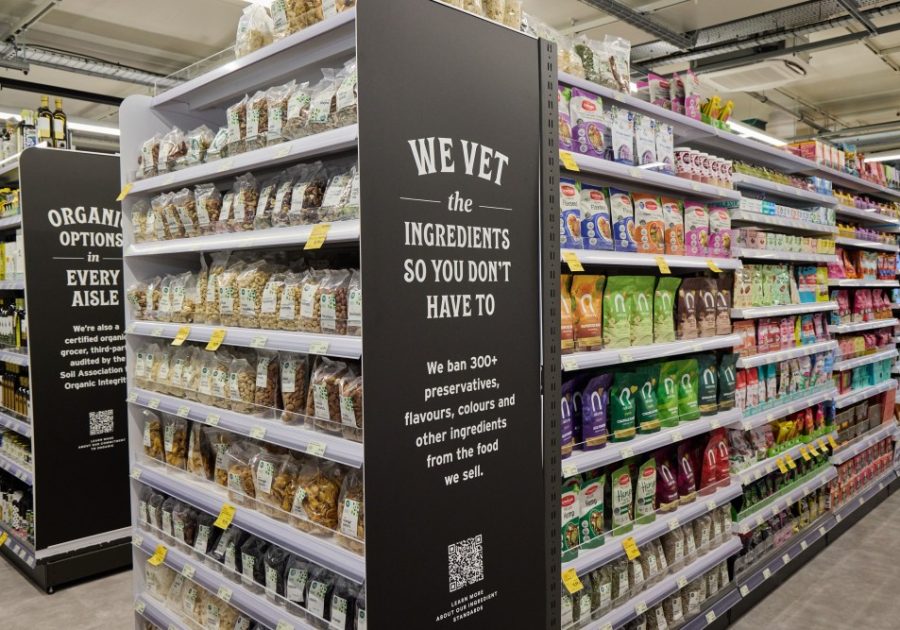
Manufacturers are already responding by shortening ingredient lists, while new apps are emerging to help shoppers navigate products on shelf. Whole Foods Market’s own Quality Standards currently ban more than 300 food ingredients.
Beans take centre plate
Beans and legumes are being repositioned from side dish to main event under “The Bean Boom”. Consumers are seeking whole-food sources of protein and fibre that are also budget-friendly and gut-friendly, and chefs are increasingly treating legumes as premium ingredients rather than pantry basics.
Social media is accelerating the shift, with viral dense bean salads, “beans on toast” reinventions and styled pantry content, dubbed BeanTok, centred on colourful heirloom varieties. Whole Foods Market points to products including Odysea Gigantes Beans in Tomato Sauce, Bold Bean Co Queen Butter Beans and Brindisa Alubia Haricot Beans as examples.
Where food meets beauty
“Beautrition” captures the continued overlap of food, beauty and wellness. Consumers are turning to ingredients rich in collagen, antioxidants, healthy fats and hydration, while collagen jelly sticks, olive oil shots and sea moss blur the lines between snack, supplement and skincare. Nutrient-dense foods such as sardines and oysters are also gaining attention in the beauty conversation, alongside carrots, cucumber and cabbage.
For brands, the trend points to further crossover between food, supplements and wellness – a space where positioning and claims will matter as much as formulation.
A taste for the bitter
On flavour, two trends offer fresh room for NPD.
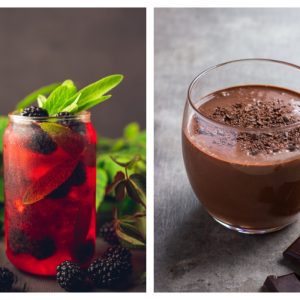
- “Bitter Done Better” reflects shoppers who are not merely tolerating bitterness but actively seeking it out. It is showing up in amaro-inspired non-alcoholic serves, chocolate enhanced with ingredients such as fennel pollen, tarragon, burnt sugar and liquorice root, and in a wider range of bitter greens on grocers’ shelves. The retailer links the trend to expanding tastes, digestive wellness and the growth of the sober-curious movement.
- “The Yōshoku Effect”, meanwhile, sees growing interest in Japanese interpretations of Western comfort dishes, such as tonkatsu, Japanese curry rice, omurice and konbini-inspired katsu and tamago sandwiches. Whole Foods Market notes the trend is moving from restaurant menus into grocery aisles through sauces, bakery products, snacks and ready meals.
Provenance, reinvention and waste
Three further trends round out the list:
- Terroir’s new territory: interest in provenance and Protected Designations of Origin is drawing customers to regional honey, single-estate chocolate and named-source grains, with the concept extending to seafood through “merroir”.
- Dish reinvention: playful mash-ups of beloved dishes, from birria ramen to cinnamon rolls focaccia, are being fuelled by restaurants and food brands alike.
- Zero Waste 2.0: the focus is moving beyond throwing less away towards more circular systems that use previously unused ingredients and by-products. Rubies in the Rubble, DASH Water and Nibs Etc. are cited as examples, and retailers continue to explore refill models, bulk formats and partnerships.
Taken together, the predictions signal a shift towards food that delivers on flavour, provenance, functionality and value. For manufacturers and challenger brands, simplicity and substance are likely to carry weight on pack, from shorter ingredient lists to whole-food protein sources, while provenance stories and circular sourcing offer ways to stand out.