Waitrose’s Food & Drink Report 2026–2027 spills the beans
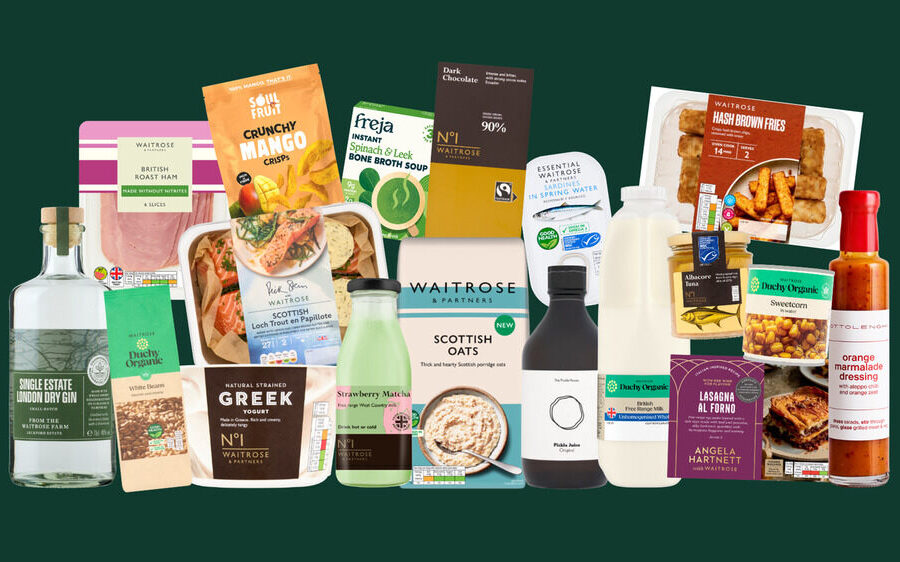
Waitrose has published its Food & Drink Report 2026–2027, drawing on customer sales data, surveys and the retailer’s in-house food, drink and nutrition experts.
The report is built on a survey of 4,074 members of the John Lewis Partnership Perspectives Panel, run in August 2026, alongside Waitrose sales data gathered in September and October 2026.
Its central finding is a split personality. Maddy Wilson, director of own brand at Waitrose, describes “a really fascinating duality across our food lovers’ kitchens”.
“On one hand, we’re seeing a deeply considered return to whole-food nourishment – whether that’s choosing products which have been regeneratively farmed, full-fat dairy, or gut-friendly pulses,” she says. “On the other hand, food remains our greatest source of joy and daily escapism. Shoppers are leaning into unapologetic crunch, bold brines, and the little luxuries that make dining at home feel truly special.”
The ozempic echo on the shelf
The first half of that duality is driven partly by the GLP-1 conversation. The report points to viral crazes including ‘oatzempic’ and ‘nature’s GLP-1’, and says shoppers are moving from ‘healthy eating’ to deliberate ‘eating for health’, with customers increasingly turning to low tox living and nutrient-stacking.
The sales evidence is concrete. Beans are outselling rice, creamy white bean varieties are surging, aquafaba has “officially broken out of the jar” and sweetcorn is enjoying a moment. Greek yogurt sales are soaring as full-fat stays in vogue, bone broth has landed in the soup and baby aisle, and dark chocolate is the best-selling variant.
Crunch time
The second half is sensory. Waitrose calls it an era of “multi-sensory indulgence”, fuelled by c crunches and intense flavour hits. The report names 2026–27 the year of the dumpling, says the humble hash brown has become the ultimate loaded vessel, and finds crispy fried chicken has turned into the ultimate crunch craving. Sharp, punchy, puckery brine is also taking centre stage, while coffee is the new seasoning and everyday vinegars and dressings are getting the fine wine treatment.
The basket barometer shows the same appetite for depth and character: dark roasted flavours are coming up while hyper-sweet jams go down, mushrooms are rising as tenderstem broccoli falls, and light pickle dressings are replacing heavy, creamy ones.
Flavour sci-fi
Looking to 2027, the report’s trend tracker is led by kokumi. Waitrose explains that the Japanese term translates as ‘rich taste’ or ‘delicious mouthfulness’, but is not a standalone flavour. Instead it is “the magical, velvety sensation of depth and long-lasting heartiness that turns a good dish into an unforgettable one”. The report’s verdict: “In 2027, ‘mouthfulness’ will be the ultimate culinary flex.”
Alongside it comes ‘smugar’, or smoky sugar, described as “the smoky, sweet taste of sugar with a burnt makeover”. The high-temperature caramelisation of honey, maple and cane sugars gives a smoky, pleasantly bitter edge that cuts through rich fats. Also on the list are reinvented pineapple, mango and banana, hyper-real passion fruit shapes, authentic Texan barbecue and continued ‘noshtalgia’, with nostalgic sweet treats set to take over in 2027.
Wallet-friendly luxury
Cost of living runs through the report. Luxuries are soaring even so, the ‘top up shop’ is on the rise as people grab quick meal solutions, and “financially savvy home cooks” are reaching for pouched grains and portioned pastes, including from the freezer, while instant noodles fall away.
The drinks findings follow the same logic. As the cost of eating out keeps kitchens busy at home, Waitrose says shoppers are “taking the savings from skipped bar tabs and reinvesting them into the at-home drinking experience”. Seafood, meanwhile, is replacing meat classics, with a scallop surge, a prawn and posh fish finger renaissance and a question mark over whether trout is the new fish of choice.
Rewriting the brief
The report is a retailer’s reading of its own customers rather than a forecast of the whole market, but it points in several directions for manufacturers.
Nourishment is now a formulation brief. Pulses, full-fat dairy, bone broth and regeneratively farmed ingredients are all cited as winners. Developers working on products that lean on nutrient density, and on gut-friendly or “eat your skincare” positioning, have a retail data point in their favour.
Texture needs engineering, not accident. With crunch, contrast and multi-layer builds named as drivers, texture is moving from a by-product of the process to a specified attribute, and one that can be marketed.
Depth is the new differentiator. Kokumi and smugar both centre on richness, long-lasting savouriness and charred complexity. That is a prompt for flavour houses and in-house development teams to think beyond sweet-versus-savoury, and towards mouthfeel and layered taste.
Convenience has to feel premium. The shift to pouched grains, portioned pastes and top-up shopping suggests value-minded shoppers want quick solutions that “don’t sacrifice quality”, in the report’s words.
Supply can limit a trend. The report notes that the Philippines is pausing exports of fresh ube because of a lack of planting material, even as powdered ube looks set to go international. Anyone chasing a colour-led trend will want to check how secure the ingredient base is.
The at-home occasion is worth designing for. From high-end drinks to seafood that replaces meat classics, Waitrose’s data suggests the kitchen table is where shoppers are choosing to spend what they save elsewhere.
For all the viral language, from ‘oatzempic’ to ‘nonna-maxxing’, shoppers want food that does something for them and tastes like an occasion, and they will pay to get both.
Topics
GLP-1 gut health low tox living multi-sensory indulgence noshtalgia nutrient-stacking premiumisation regenerative farming texture-maxxing ube
PeopleOrganisations