Food for thought
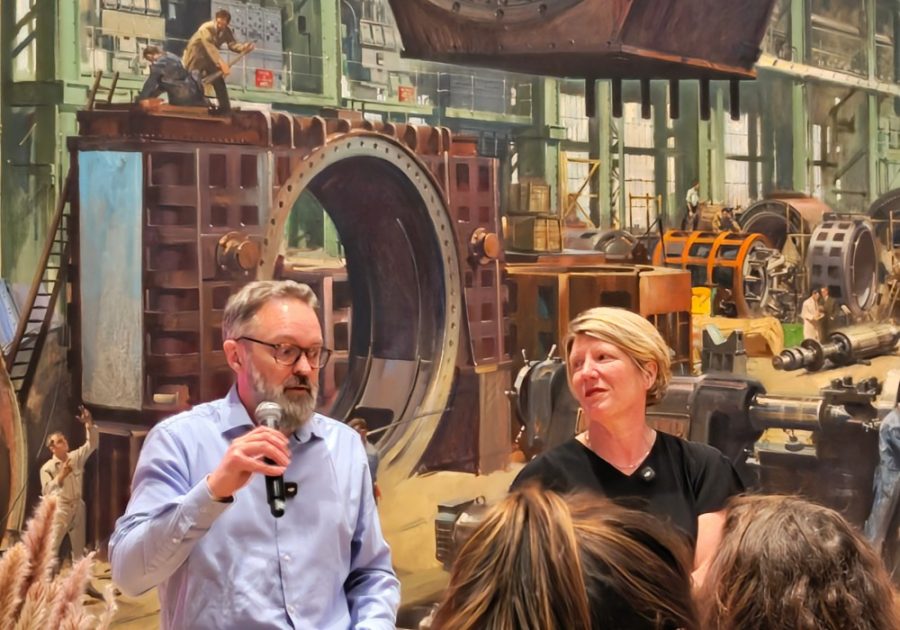
Andrew Warner and Claire Leonard
It turns out that hundreds of thousands of Londoners are incredibly hungry for knowledge.
The Science Museum recently hosted a lively evening exploring the “Science of Food,” celebrating its smash-hit Future of Food exhibition, which has already devoured expectations by welcoming over 224,000 visitors. But beyond the impressive attendance figures, the night’s panel discussion served up a single, continuous narrative packed with probing questions about how we view, grow, and consume our meals.
The journey into our culinary psyche kicked off with chef and author Anthony Warner — better known as the “Angry Chef” — who prompted the audience to question why we constantly romanticise the past.
Warner thoroughly debunked the trendy urge to “eat like your great-grandparents,” pointing out that historical diets were frequently nutritionally inadequate, rife with deficiency diseases like scurvy and rickets, and largely reliant on poor-quality, adulterated bread. In reality, human progress and modern food science have achieved a near-miraculous victory over starvation, cutting global deaths from protein-energy malnutrition from 700,000 in 1980 to under 100,000 today. From life-saving salt-and-sugar oral rehydration therapies to nutrient-dense therapeutic peanut pastes that rescue nine million children annually, the modern food system is arguably humanity’s greatest and most underappreciated triumph.
Yet, this agricultural success story comes with a sharp, probing catch: our current system is literally costing us the Earth. Without a dramatic shift from animal to plant proteins, agricultural carbon emissions alone could drive global temperatures up by two degrees by 2050, all while depleting underground fossil water, accelerating species extinction, and destroying vital topsoil. We have the scientific capability to sustainably feed a projected global peak of 11 billion people, but it requires completely transforming what we put on our plates.
“If you don’t sort the food out, then you won’t sort out anything else” — Anthony Warner
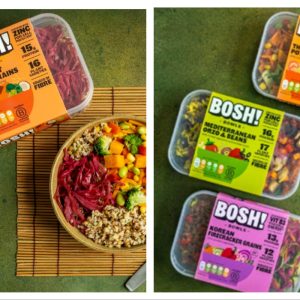
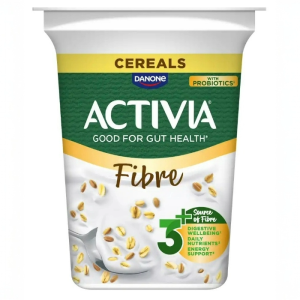
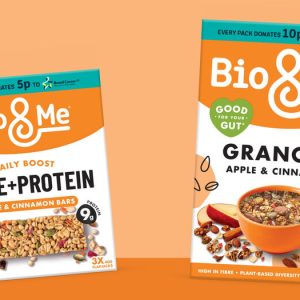
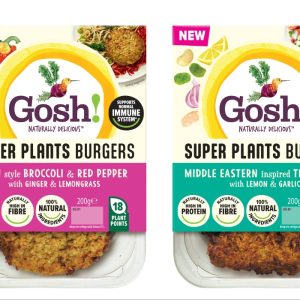
This global dilemma naturally brings the issue right back to our own daily habits, introducing a second vital question: Why do we make the choices we do?. Claire Leonard, VP of nutrition and health sciences at Tate & Lyle, joined the narrative to highlight a staggering local crisis — the UK’s massive fibre gap. While social media platforms like TikTok are flooded with highly engaging but scientifically dubious dietary advice, a mere 4% of the UK adult population actually meets their daily fibre recommendations.
So, how do we fix a planetary climate crisis and a nation’s sluggish digestion without making dinner entirely joyless?. Leonard argued that the answer isn’t forcing everyone onto a strict, unrealistic whole-foods diet overnight, but rather leaning into clever fortification and public-private partnerships. Following successful historical blueprints like the Danish Whole Grain Partnership — which successfully doubled national whole-grain intake through gradual, stealthy updates to everyday staples like bread and breakfast cereals—the goal is simply to make healthy food tastier and tasty food healthier.
Tate & Lyle’s own data modelling reveals that subtly enriching everyday staples could help 50% more UK adults hit their fibre targets without accidentally inflating their daily calorie counts. The evening even featured hands-on experiments, proving that 10 grams of soluble fibre can vanish completely into a glass of water, a bolognese sauce, or a morning coffee without altering the taste or colour.
Ultimately, feeding the future sustainably won’t happen through nostalgic rules or social media fads, but through the collaborative science of altering everyday foods. If you want to sample this perspective for yourself, the Future of Food exhibition is running at the Science Museum until September 1st — just remember to bring a healthy appetite for change.
- Rodney Jack, editor, Food & Drink Technology. Keep in touch via email: [email protected] X: @foodanddrinktec or LinkedIn: Food & Drink Technology magazine.