The fibre of the future

For years, healthier eating has largely been defined by what manufacturers take out of products. Less sugar. Less salt. Less fat. Those priorities aren’t disappearing, but I’m increasingly convinced the conversation is changing.
One thing consumers have always done is keep our industry on its toes. Just when manufacturers think they’ve understood what shoppers want, expectations evolve again. In many ways, consumers continue to make our lives interesting — and that’s certainly true when it comes to health and nutrition.
One trend I’ve noticed over the past year is that people are no longer talking solely about reducing sugar. They’re talking about what food actually does for them.
Whether it’s blood glucose management, gut health, protein, fibre or sustained energy, consumers seem to be asking broader questions about nutrition than they were even a few years ago. The focus is shifting from avoiding “bad” ingredients towards looking for foods that actively support long-term health.
Tate & Lyle’s latest report on metabolic wellness captures that shift particularly well.
Rather than framing reformulation simply as a sugar reduction exercise, it argues that manufacturers should think more holistically about nutritional wellbeing. In practice, that means considering how ingredients such as soluble fibre can contribute to healthier blood glucose responses while also increasing fibre intake and helping maintain the taste and texture consumers expect.
That strikes me as an important evolution for the food and drink industry.
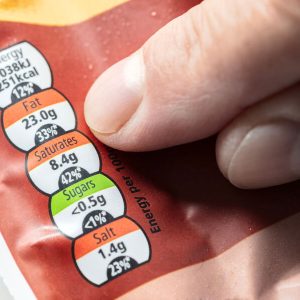
For a long time, reformulation has often been driven by regulation. Sugar taxes, HFSS legislation and front-of-pack nutrition have encouraged manufacturers to remove or reduce specific nutrients. Those initiatives have undoubtedly driven progress, but consumers now appear to be looking beyond the numbers on the label.
People increasingly want foods that fit into healthier lifestyles rather than simply products carrying “reduced sugar” claims.
The fibre story illustrates this perfectly.
Despite years of public health messaging, UK adults still consume only around 16.4g of fibre each day — almost half the recommended 30g. Closing that gap isn’t likely to happen through supplements alone. It presents a genuine opportunity for manufacturers to rethink everyday foods so that they deliver more nutritional value without sacrificing enjoyment.
That challenge may actually become the industry’s greatest opportunity.
Consumers rarely choose products because they’re healthier if the eating experience disappoints. Taste, texture and convenience remain fundamental. The brands that succeed will be those able to combine nutritional improvements with products consumers genuinely want to buy again.
From an editorial perspective, I also think this reflects a wider change in the stories we’re covering. Five years ago, a reformulation story was usually about removing sugar. Today it’s increasingly about improving nutritional quality through better ingredient choices and smarter formulation.
For manufacturers, that means the conversation is becoming more sophisticated. Reformulation is no longer just about subtraction. Increasingly, it’s about what you can add to create products that support healthier lifestyles while still delivering the experience consumers expect.
To me, that’s a much more interesting direction of travel.
- Rodney Jack, editor, Food & Drink Technology. Keep in touch via email: [email protected] X: @foodanddrinktec or LinkedIn: Food & Drink Technology magazine.