Responding to market challenges
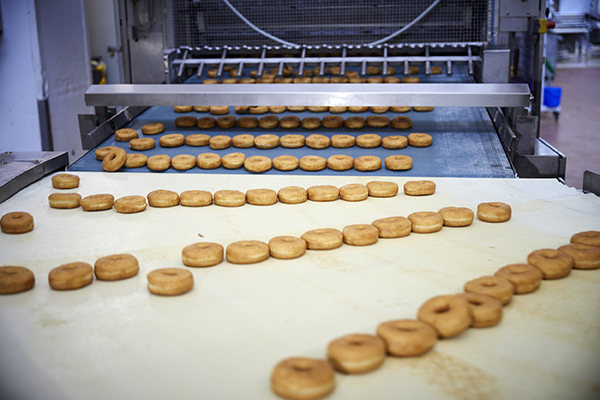
Sweet bakery continues to deliver innovation Image credit: Baker & Baker
With the first couple of months of 2023 behind us, the early signs are that brighter prospects are in store, for the bakery industry at least.
Although we expect inflationary pressures to continue in the short term – particularly as in-store prices may yet increase modestly – we believe the worst of the macroeconomic headwinds have now passed.
But with food prices remaining significantly higher than at the beginning of last year, the pressure on consumers and their spending decisions persists. The biggest challenge for consumers continues to be sufficiently managing household budgets, and manufacturers and retailers are working closer than ever to minimise the effects of these inflationary pressures.
Trimming the cost of living
To explore this topic in greater depth, Baker & Baker has undertaken detailed research into the impact the cost-of-living crisis is having on the sweet bakery category in the UK. The research forms part of a series of publications by Baker & Baker entitled ‘Bakery Bites’ that delves into the key issues facing the sector.
The research was undertaken by Sapio Research on behalf of Baker & Baker, and examines how the cost-of-living crisis is changing consumer buying behaviours, and how retailers and food service operators can respond to these trends.
A key finding suggests that only one in five UK shoppers have not altered their spending habits due to the cost-of-living crisis, hinting at a seismic shift in consumer priorities.
In addition, price was given as the most pressing priority when purchasing sweet bakery products, followed by flavour and then quality – although more than half still indicated that both flavour and quality were important drivers in their purchasing decisions.
Based on this research, we believe one of the most significant trends in 2023 will be a relentless focus by manufacturers and retailers on delivering genuine value for the consumer. With budgets squeezed, shoppers will be seeking out value and product ranges that resonate with multiple consumer segments will be absolutely critical.
At the same time, consumers will still seek out moments of indulgence or a treat. Fresh bakery products are sold at a relatively low price point, and are thus much more accessible for all shoppers.
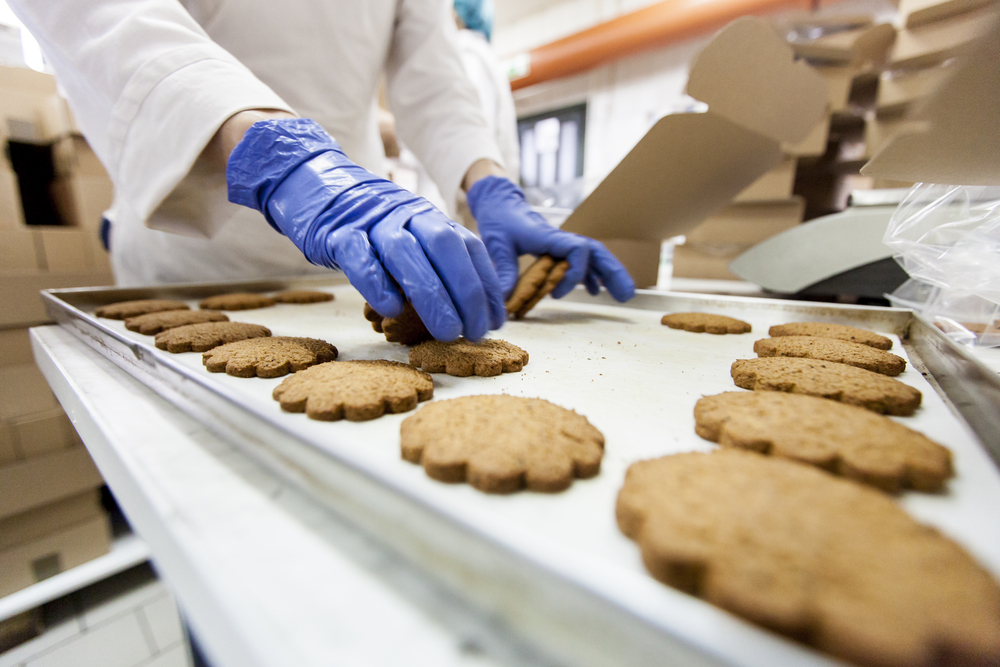
For retailers and food service operators alike, the ease of serve combined with the potential to deliver value for the consumer makes fresh bakery an attractive proposition. Products such as doughnuts and cookies are a popular option for consumption on the move, at home or at a range of social occasions.
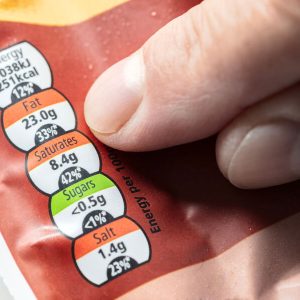
Further restrictions on the promotion of HFSS products are due to come into force in 2023, removing a value opportunity for the consumer, and so manufacturers and retailers will need to respond and address this and ensure they can continue to give back to shoppers.
Despite the broader economic context, fresh, sweet bakery continues to deliver innovation and new flavour combinations, and seasonality is a key factor. Halloween has proven to be a popular occasion for manufacturers and brand owners to introduce new flavours, colours and styles, alongside an appetite to be more adventurous. Simple and well-executed seasonal products can and will continue to resonate with consumers, particularly in the cost-of-living crisis.
Minimising waste
At the same time, manufacturers, bakeries and retailers must do more with the resources they have at their disposal. Within the Bakery Bites report, a number of recommendations are made to curtail the effects of the cost-of-living crisis, such as demand-led baking rather than batch baking, which can lead to wastage.
Food waste is also a sustainability topic that must be tackled more broadly and more effectively within the industry. In addition to operational changes or processes, offcuts that may otherwise go to waste can be repurposed as toppings for other bakery products including doughnuts, brownies and cookies. This can deliver the desired ‘wow’ factor with consumers, and create standout in store or on shelf.
We also expect the classic flavours of chocolate and caramel to continue to dominate whilst the cost-of-living crisis endures. With less discretionary spend, consumers are likely to stick with the products and flavours that they know and love. Twists on the classic flavours will no doubt be an important aspect of manufacturers’ NPD plans, but most are unlikely to veer too far from the mainstream.
Delivering innovation
More broadly, we do not expect the cost-of-living crisis to stifle NPD or innovation within fresh bakery. There remains scope to experiment with both classic flavours and product concepts, including at the premium end of the market, which we expect will remain vibrant this year.
In continental Europe, Baker & Baker has launched a Milka heart-shaped doughnut that taps into the playfulness around Valentine’s Day whilst featuring one of Europe’s most popular and recognisable chocolate brands.
In summary, it has become clear that within this environment, it is critical for manufacturers and retailers to work together to define product ranges that suit their key consumer audiences, whilst ensuring that quality and flavour are not compromised.