
Staying sharp under pressure

Givaudan’s latest clinical research suggests cognitive health ingredients are entering a new era as consumer demand shifts from relaxation to resilience.
Romain le Cozannet, PhD, mind & energy category technical leader at Givaudan, explains to Food & Drink Technology how data behind Zensera demonstrates the potential to help maintain mental performance under stress — and why scientifically substantiated botanicals are becoming an increasingly important differentiator for food, beverage and supplement manufacturers.
The conversation around cognitive health has changed dramatically over the past few years. Once centred primarily on memory support or stress relief, today’s market is increasingly focused on helping consumers remain mentally sharp while navigating the pressures of modern life.
That shift is being reflected across product development, consumer expectations and ingredient innovation. According to Givaudan, cognitive-related online search terms have increased by an average of 156% since 2021, while launches carrying brain health and mood-support claims continue to rise. At the same time, the company’s own consumer research found that 71% of people believe maintaining mental focus during physical activity improves their performance.
For manufacturers, this convergence of mental and physical wellbeing is creating new opportunities — but also raising expectations around scientific validation.
At Vitafoods Europe 2026, Givaudan Taste & Wellbeing showcased its expanding portfolio of cognitive and holistic wellbeing ingredients, including Zensera, a patented lemon balm extract designed to support cognitive performance under stress. Alongside Cereboost, Lifenol, Pacran and Svetol, the ingredient reflects a wider strategy focused on clinically substantiated solutions supported by formulation expertise and consumer-friendly delivery formats.
According to Romain le Cozannet, the market is no longer looking simply for ingredients that promote relaxation.
From stress management to cognitive resilience
“Consumers are showing a growing demand for cognitive health support as they manage increasingly fast-paced, high-pressure lifestyles,” says Le Cozannet.
“Givaudan’s insights reveal that people now expect cognitive wellbeing solutions that enhance focus, clarity, and composure under stress, reflecting a shift from passive relaxation to active mental performance.”
Rather than switching off, consumers increasingly want to stay productive and mentally engaged despite stressful situations.
This changing expectation is becoming a significant innovation driver across supplements, functional beverages and everyday foods.
“Stress has become a universal challenge, and consumers are seeking solutions that help them manage it without compromising performance,” he explains.
“Rather than simply seeking relaxation, consumers are increasingly looking for solutions that help them remain resilient and function effectively under the pressure of modern life.”
This dual requirement — remaining calm while maintaining mental performance — is exactly where Givaudan positions Zensera.
Engineering lemon balm for cognitive performance
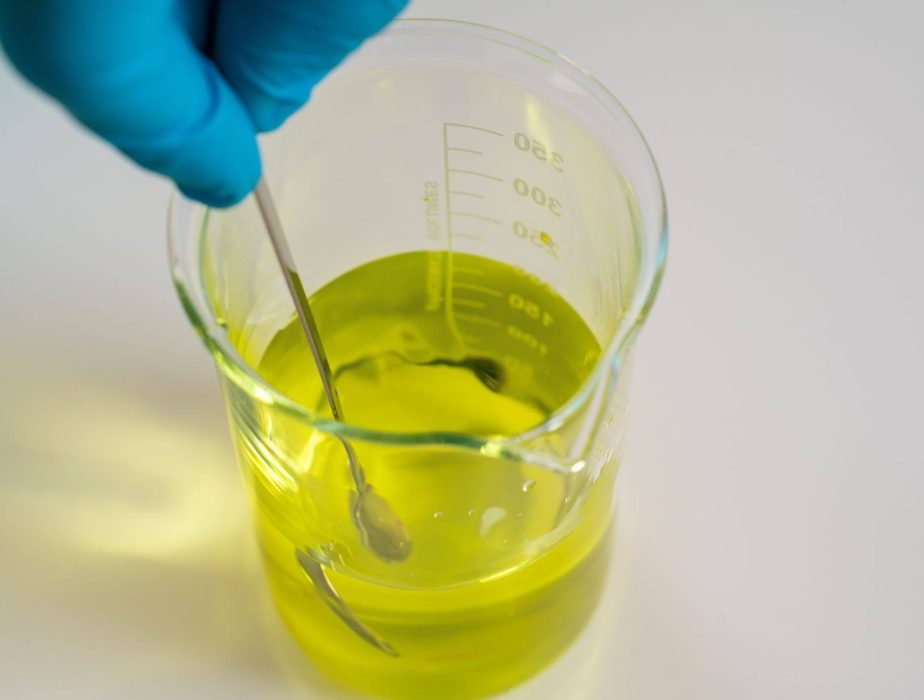 Although lemon balm has a long history of traditional use, Givaudan believes Zensera differentiates itself through its development process and targeted biological activity.
“Zensera stands out due to its patented reverse-engineering process that optimises the bioactive profile of lemon balm extract for GABA activity,” explains Le Cozannet.
“Through high-throughput screening, Givaudan identified and enhanced compounds that activate GABA receptors and inhibit GABA transaminase, yielding same-day cognitive effects under stress at a low dose.”
Instead of relying solely on the botanical’s traditional reputation, the company used extensive screening techniques to identify the compounds most closely associated with supporting the brain’s GABAergic system, which plays a central role in emotional balance and calmness.
The result, says Le Cozannet, is an ingredient capable of delivering measurable cognitive benefits within hours rather than requiring prolonged supplementation.
The clinical data behind Zensera
For manufacturers increasingly seeking robust scientific substantiation, clinical evidence has become essential.
The latest research supporting Zensera involved 106 healthy adults experiencing moderate levels of subjective stress. Participants completed a validated cognitive overload protocol designed to replicate mentally demanding situations.
The results demonstrated that participants consuming 300mg of Zensera maintained stronger performance during demanding cognitive tasks five hours after consumption compared with those receiving placebo. At the same time, participants reported greater feelings of calmness and contentedness, with researchers observing a relationship between improved mood and cognitive performance within the Zensera group.
“Clinical studies show that in mild to moderate stressed participants, 300mg of Zensera helps maintain cognitive performance under stressful events, with effects on the same day and lasting up to five hours after consumption,” says Le Cozannet.
Importantly, participants also demonstrated a trend towards recovering feelings of calmness more effectively between successive periods of cognitive demand.
Taken together with the wider scientific literature surrounding lemon balm, Givaudan believes these findings support the ingredient’s role in helping consumers remain mentally effective during stressful situations rather than simply reducing feelings of stress.
“These results suggest that the mood effects of Zensera may contribute to supporting stress resilience, expressed by the maintenance of cognitive capabilities under stress,” Le Cozannet explains.
“For manufacturers and brands, these findings highlight Zensera’s distinctive potential to support products that help healthy stressed consumers remain focused under stress.”
Blurring the boundaries between mind and body
 The growth of cognitive wellbeing is also changing adjacent product categories.
Sports nutrition, active lifestyle products and functional beverages have traditionally focused on physical performance. Increasingly, however, brands are recognising that concentration, reaction speed and decision-making are equally important performance metrics.
“Givaudan’s research shows that 71% of consumers believe improving mental focus enhances physical performance,” says Le Cozannet.
“This insight is blurring the lines between mental and physical wellbeing, prompting manufacturers to create hybrid products that serve both.”
He points to Givaudan’s separate research involving professional racing drivers consuming Cereboost as an example of how cognitive performance can influence physical outcomes.
“In a 2025 clinical study, professional race car drivers who took Cereboost for two weeks were three seconds faster on the track,” he says.
“Nearly all of them felt it: 94% reported sharper focus, and 91% said it worked faster than anything else they’d tried.”
Although Cereboost and Zensera target different mechanisms, both illustrate the increasing commercial value of ingredients that support mental performance in real-world settings.
Clinical evidence becoming a commercial advantage
As functional ingredients become more mainstream, manufacturers are also becoming more selective about the evidence supporting health claims.
According to Le Cozannet, scientifically validated branded ingredients increasingly provide an important point of differentiation.
“Clinically proven efficacy is now a key differentiator in the cognitive health market,” he says.
“Givaudan research has shown that about 60% of consumers perceive supplements made from branded ingredients to be high quality, more trustworthy and more effective.”
Scientific substantiation alone, however, is no longer sufficient.
“Combining scientific substantiation with immediate perceived health benefits and natural, sustainable sourcing, as is the case for Zensera, is essential for building trust and market success.”
Making cognitive health enjoyable
While efficacy remains critical, successful products must also deliver enjoyable sensory experiences.
Botanical ingredients can often introduce formulation challenges around bitterness, flavour masking or stability.
Le Cozannet believes Zensera offers practical advantages in this respect.
“Taste masking and stability are common challenges, particularly with botanical extracts,” he says.
“Zensera mitigates these issues with a mild flavour and low required dosage, making it easier to incorporate into diverse applications including beverages, gummies and chocolates without compromising sensory appeal.”
Where more complex botanicals are involved, Givaudan combines its ingredient expertise with flavour and taste-masking capabilities to help manufacturers create products that consumers enjoy consuming repeatedly.
This integrated approach was reflected throughout the concepts displayed at Vitafoods Europe, including Zenshot, a cognitive support beverage featuring Zensera, alongside gummies, instant drinks and protein powders incorporating the wider wellbeing portfolio.
Cognitive health enters the mainstream
Perhaps the clearest message emerging from Givaudan’s research is that cognitive wellbeing is no longer confined to specialist supplement shelves.
Le Cozannet believes mental performance has become an everyday expectation.
“Yes, cognitive wellbeing has moved firmly into the mainstream,” he says.
“Consumers increasingly expect mental performance benefits in everyday products.”
Looking ahead, he expects innovation to move towards increasingly personalised nutrition supported by advances in neuroscience, clinically validated botanicals and ingredients capable of delivering multiple complementary benefits.
“Future innovation will focus on personalisation, clinically validated botanicals, and multi-benefit formulations that combine mental clarity, stress resilience and physical performance,” he says.
“Sustainable sourcing and sensory-driven experiences will also remain critical to consumer trust and engagement.”
For food, beverage and supplement manufacturers, the opportunity is becoming clear. As consumers increasingly seek products that help them stay mentally focused rather than simply relax, ingredients backed by robust clinical evidence — and capable of fitting seamlessly into enjoyable formats — are likely to play an increasingly central role in the next generation of functional nutrition.
Topics
botanicals cognitive health extracts flavours formulations masking wellbeing
PeopleOrganisations