 A factory with heritage — and a new strategic role
 Automation, robotics and a new data‑led production environment
 Digital twins: real‑time optimisation for a perfect bar
Inside Mars Slough

Mars’ £190 million transformation of its historic Slough site marks one of the most ambitious modernisation programmes in UK food manufacturing. With digital twins, robotics, advanced cooling systems and a new data‑led operating model, the company is re‑engineering a legacy factory into a high‑performance, AI‑enabled production hub. Adam Grant, general manager Mars Wrigley UKI, explains to Food & Drink Technology how the upgrade is reshaping throughput, consistency, energy use and workforce capability.
 A factory with heritage — and a new strategic role
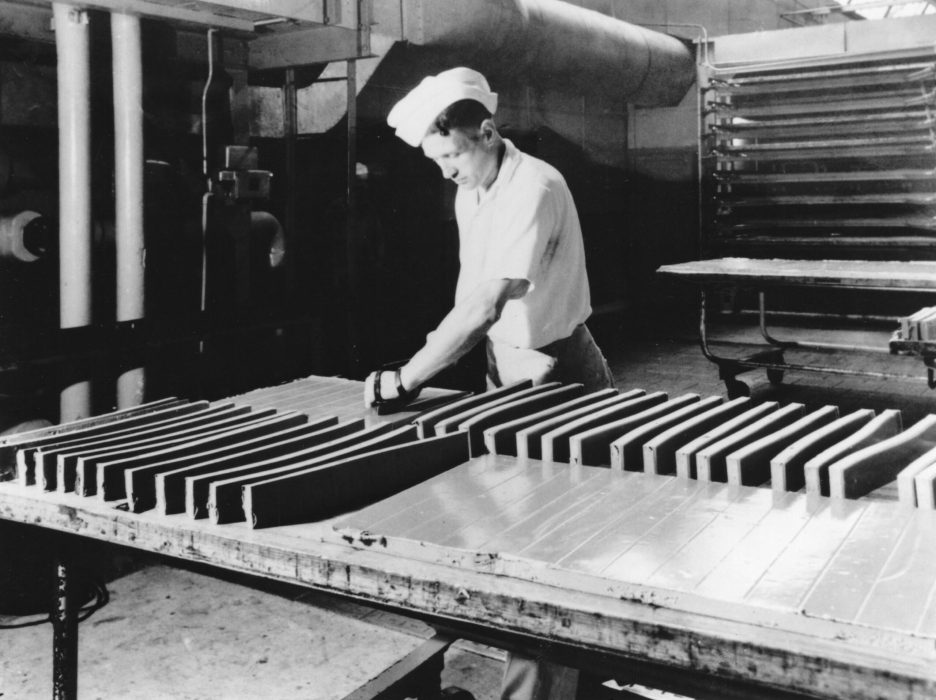
For nearly a century, Mars’ Slough factory has been central to the company’s UK operations. It was here, in 1932, that Forrest Mars produced the first Mars Bar, establishing a manufacturing footprint that would grow into one of the country’s most recognisable confectionery sites. Today, Slough remains a cornerstone of Mars’ European network — and the company is betting heavily on its future.
“Our Slough site has been at the heart of our Mars UK business for over 90 years,” Grant says. “This investment is our vote of confidence in the future of UK manufacturing and makes Slough our second‑largest factory in Europe.” Since 2023, Mars has been committing £190 million to modernising Slough and its wider UK operations, with the full investment scheduled to be delivered between 2023 and 2028. The goal is not simply to refresh ageing infrastructure, but to transform the site into a next‑generation manufacturing hub capable of producing up to 5 million bars a day and exporting to 33 markets.
The upgrade is part of a broader European strategy. “We’ve invested over €1.5 billion in EU manufacturing over the past five years and committed a further €1 billion through to 2026,” Grant notes. Slough is now positioned as a flagship site within that network — a proving ground for Mars’ most advanced production technologies.
 Automation, robotics and a new data‑led production environment
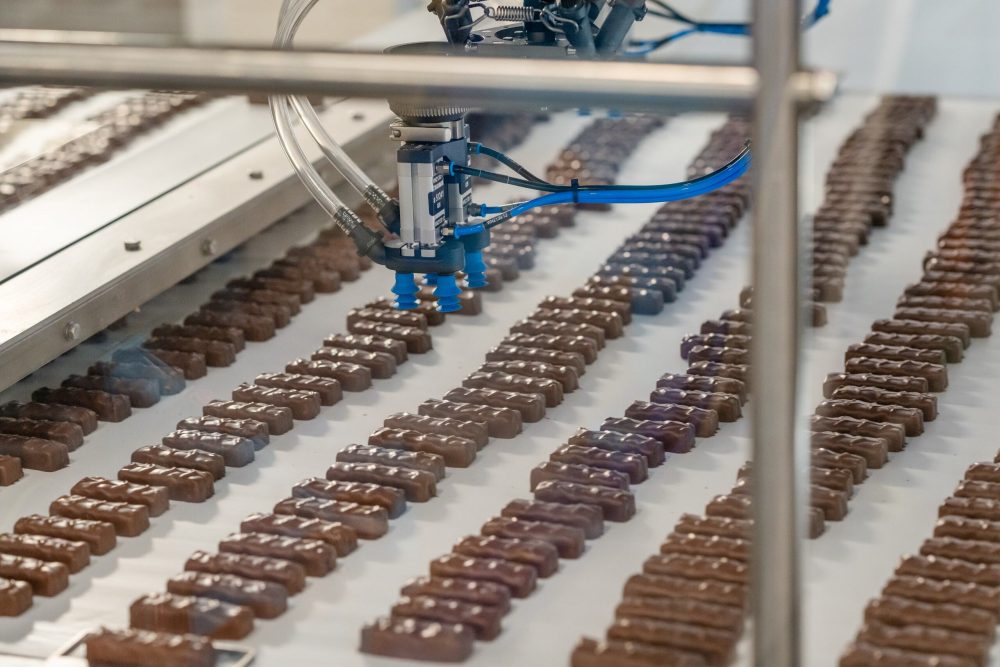
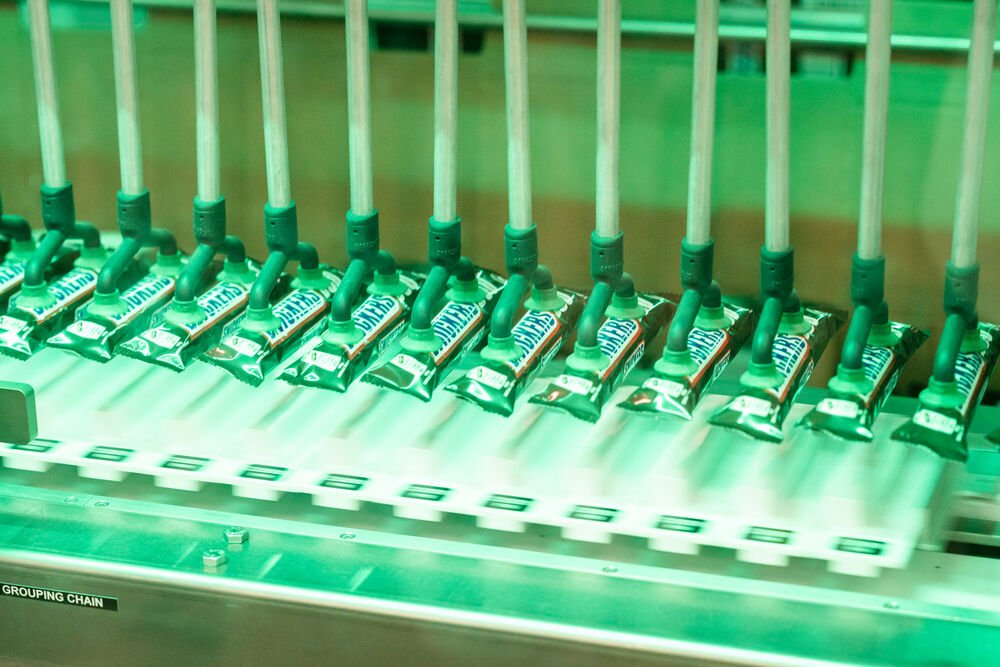
The most significant change on the factory floor is the shift toward automation and AI‑enabled process control. Mars is introducing new digital systems, robotics and advanced machinery across multiple lines, replacing manual or semi‑automated processes with high‑precision, data‑driven operations.
“The biggest shift is towards a more automated, data‑led production environment,” Grant explains. “We’re upgrading with new digital systems, robotics and AI, and bringing in Formula 1‑style ‘digital twin’ technology.”
The comparison is deliberate. Mars is effectively building an F1‑style control system for chocolate production — one that models the line in real time, predicts inconsistencies before they occur, and continuously optimises performance.
The result is a factory that blends heritage with cutting‑edge engineering. “We’re combining the character of our 1930s factory with the precision of an F1 pit crew,” Grant says. “Whether it’s a Mars bar or a Malteser, you get the same quality product every time.”
Line performance: faster, more stable, more efficient
The operational impact is already clear. Mars reports:
- 50% more efficiency
- Reduced variability across production lines
- Lower waste due to fewer corrections later in the process
- Peak speeds of 4,000 bars per minute
- More than 40 million bars produced each week
These gains come from improved uptime, faster decision‑making and more stable operating conditions. “This new technology is designed to reduce variability, improve uptime and support faster decision‑making,” Grant says.
The digital twin plays a central role in achieving this stability.
Digital twins: real‑time optimisation for a perfect bar
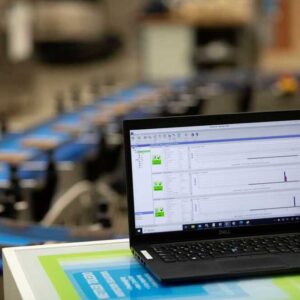
The digital twin provides a live model of the production line, capturing granular data on performance, temperature, flow, throughput and other variables. It allows operators to see exactly how the line is behaving — and how to adjust it.
“The digital twin gives us a live model of the production line, so we can see how it’s performing and make smarter decisions in real time,” Grant explains. “It helps us anticipate potential inconsistencies before they happen, understand the most efficient operating conditions and maintain more consistent product quality.”
The system continuously optimises performance using AI‑driven data, recommending the most efficient operating conditions and reducing the need for reactive interventions.
In practical terms, this means operators now work with dashboards and real‑time monitoring tools that shift their role from reactive troubleshooting to proactive performance management.
“Real‑time monitoring and performance dashboards are part of day‑to‑day decision‑making,” Grant says. “The role becomes more about actively managing performance than reacting after the fact.”
Energy efficiency and sustainability built into the upgrade
The modernisation programme is also designed to reduce the site’s environmental footprint. Mars is upgrading machinery, installing advanced cooling systems and modernising utilities to cut energy use and improve sustainability performance.
“The investment is making the factory more energy‑efficient and less waste‑intensive,” Grant says. “Upgraded machinery, advanced cooling systems and modernised utilities reduce energy use, while digital tools improve precision and consistency in production.”
These improvements support Mars’ wider climate commitments, including its ambition to cut greenhouse gas emissions 50% by 2030 and reach net zero by 2050.
A workforce built for advanced manufacturing
Technology is only part of the transformation. Mars is also reshaping its workforce to operate in a more automated, data‑driven environment.
“Upskilling our associates and equipping them with the tools they need for the future is central to the investment,” Grant says.
The company is creating new pathways into advanced engineering, digital operations, and data‑led manufacturing roles.
A structured seven‑week training programme supports operators as they transition into these new roles, ensuring they can work confidently with automation, digital systems and real‑time optimisation tools.
“This is as much about investing in our employees and their future as it is about upgrading the factory,” Grant adds.
Measuring success and the road to 2028
Mars is evaluating the upgrade through operational KPIs such as uptime, consistency and workforce engagement with new systems.
“Success is about how the site is performing day to day,” Grant says. “Taking into account things like uptime, consistency on the line and how our Associates interact and engage with it.”
The investment programme runs through to 2028, with Mars now focused on rolling out capabilities across the site and embedding new systems into daily operations.
A legacy site rebuilt for the future
Mars’ transformation of Slough is one of the most significant factory modernisation programmes underway in UK food manufacturing. It blends automation, AI, digital twins, energy‑efficient infrastructure and workforce development into a single, long‑term strategy.
The result is a factory that honours its heritage while embracing the future — a site capable of producing millions of bars a day with greater consistency, lower waste, higher efficiency and a digitally empowered workforce.
As Grant puts it: “We’re supporting hundreds of high‑skilled jobs, strengthening local supply chains, and helping the UK remain a hub for large‑scale, innovative chocolate production.”
Topics
advanced cooling AI confectionery data digital twins energy efficiency robotics waste reduction
PeopleOrganisations