Coca-Cola succession plan sees Braun look to drive global growth
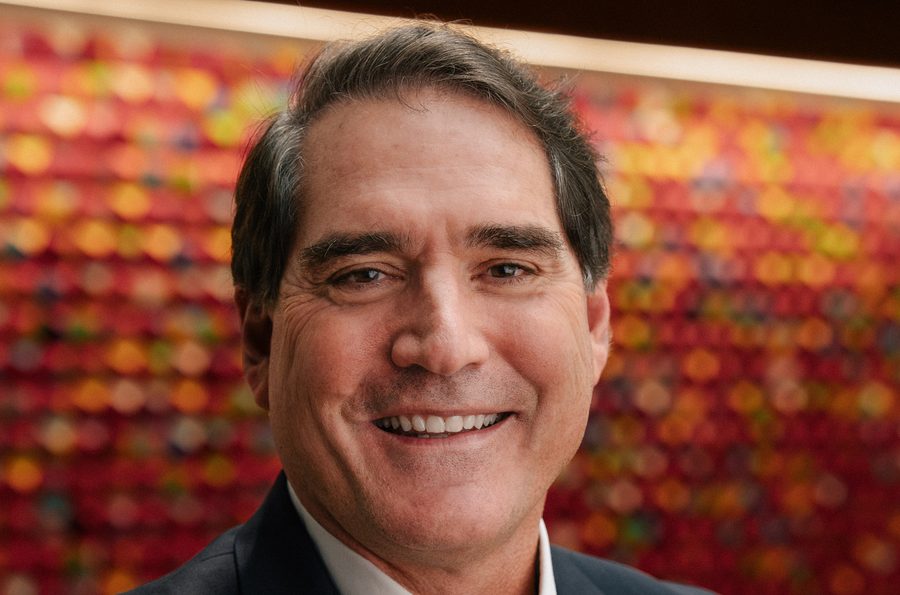
Henrique Braun will become CEO on 31 March 2026.
Henrique Braun will succeed James Quincey as CEO of The Coca‑Cola Company in March 2026, a move designed to sharpen global growth, deepen consumer connections, and accelerate technology adoption across the beverage giant’s portfolio.
The Coca‑Cola Company has confirmed that executive vice president and chief operating officer Henrique Braun will become CEO on 31 March 2026, following the planned departure of James Quincey, who will transition to executive chairman of the board after nine years at the helm.
Braun, 57, brings nearly three decades of experience within Coca‑Cola’s global system, including leadership roles across Latin America, Europe, and North America.
For industry stakeholders, Braun’s appointment signals a sharpened focus on three critical priorities:
- Global growth opportunities: Coca‑Cola is positioning Braun to identify and capture the most promising markets worldwide. His track record in emerging economies and established regions suggests a dual strategy: expanding reach in high-growth categories while reinforcing leadership in core beverages.
- Consumer-centric innovation: Braun has consistently emphasised the need to bring Coca‑Cola closer to evolving consumer preferences. This includes tailoring product portfolios to local tastes, advancing low- and no-sugar options, and investing in functional and premium beverages that align with health and lifestyle trends.
- Technology as a growth lever: under Braun’s leadership, Coca‑Cola is expected to accelerate digital transformation — leveraging data analytics, AI-driven insights, and e-commerce platforms to refine marketing, optimise supply chains, and personalise consumer engagement.
The succession comes at a time when global soft drink demand is under pressure, with consumers increasingly seeking healthier, more sustainable options.
Coca‑Cola’s pivot under Braun will likely involve balancing its iconic brands with innovation in categories such as hydration, dairy alternatives, and ready-to-drink teas and coffees. His international experience positions him to navigate diverse regulatory landscapes and sustainability challenges — issues central to the food and beverage manufacturing sector.
Quincey’s move to executive chairman ensures strategic continuity, while Braun’s appointment reflects Coca‑Cola’s intent to reinvigorate growth through consumer-first strategies and digital acceleration.
For suppliers, partners, and competitors, this transition highlights how legacy beverage companies are retooling leadership to meet the demands of a rapidly shifting marketplace
For food and drink professionals, Braun’s rise signals Coca‑Cola’s commitment to marrying global scale with local relevance, and to embedding technology at the heart of beverage innovation. Expect heightened collaboration opportunities across packaging, ingredient innovation, and digital commerce as the company seeks to redefine its role in the modern food ecosystem.