Faerch and Norfersk scale circular meat packaging
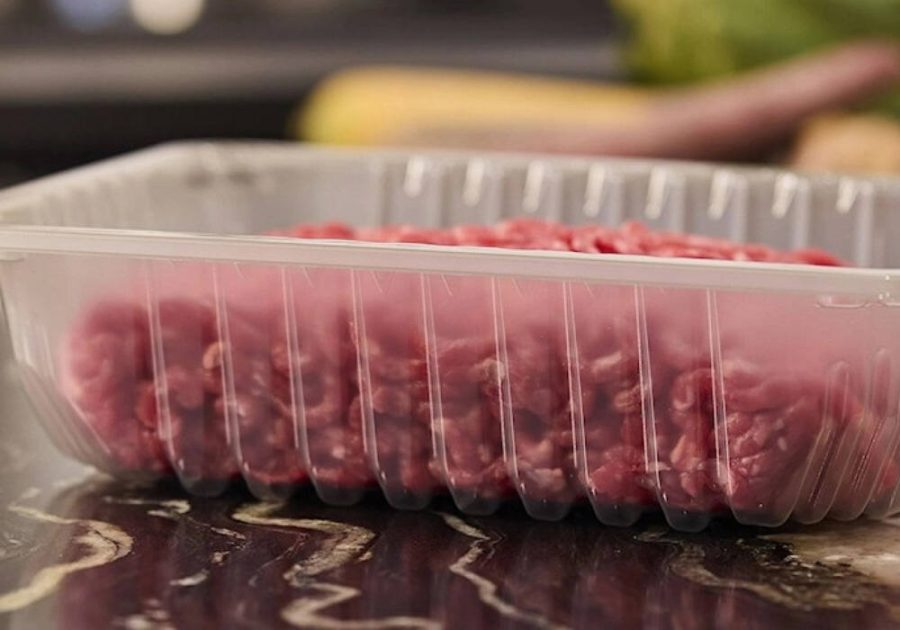
In a major move for the European meat industry, Faerch and Norfersk have successfully scaled the use of circular PET meat trays containing 70% CIRPET+.
This breakthrough material — a food-grade recycled PET (rPET) derived from used food trays rather than plastic bottles — represents a significant step toward a true tray-to-tray circular economy.
For meat producers, the partnership demonstrates that moving away from a reliance on virgin plastics or dwindling bottle-recycled streams can be achieved without sacrificing factory performance or product safety.
Traditionally, food-grade rPET has been sourced from recycled beverage bottles. However, as the beverage industry increasingly moves to close its own loops, meat and fresh food producers have faced a tightening supply of recycled material.
Faerch’s CIRPET+ addresses this by creating a dedicated loop for thermoformed packaging. Used trays are collected, recycled, and remade into new food-grade trays. This shift ensures a stable supply of high-quality material specifically designed for the rigorous demands of meat packaging, including high-speed lines and strict hygiene standards.
A primary concern for meat processors during any packaging transition is line efficiency. Norfersk, a leading Norwegian fresh-meat producer, reported that the move to the high-performance circular trays was seamless.
“Since the launch, the transition has been very smooth from a production perspective,” said Anne Maren Krog Engeloug, product developer at Norfersk. “The trays have performed well on the line, helping to ensure a more stable operation. It’s a win for both production efficiency and the environment.”
Beyond circularity, the move offers tangible environmental benefits. Independent lifecycle assessments indicate that CIRPET+ delivers significantly lower greenhouse gas emissions compared to virgin plastic or even bottle-derived rPET.
The launch also leverages Norfersk’s existing use of Faerch’s Ultra Low Stacking solution. By reducing the gap between stacked trays to just 1.5 mm, the company has previously cut pallet requirements by up to 67%, dramatically reducing delivery miles and transit packaging waste.
As retailers and regulators demand lower carbon footprints, the success of the Norfersk launch provides a blueprint for meat producers across Europe.
“With CIRPET+ we are helping bring food-grade, tray-to-tray recycled content to the meat aisle at scale, without asking producers to compromise on line efficiency or shelf performance,” explained Mette Grotrian, sales director at Faerch Nordics.
By proving that 70% recycled content from tray-based sources can maintain the shelf life and safety of fresh meat, Faerch and Norfersk have removed a major barrier to the adoption of circular packaging in the protein sector.
Topics
circular economy meat PET rPET thermoformed packaging trays
PeopleAnne Maren Krog Engeloug Mette Grotrian
Organisations