GLP‑1 use triggers sharp grocery cutbacks
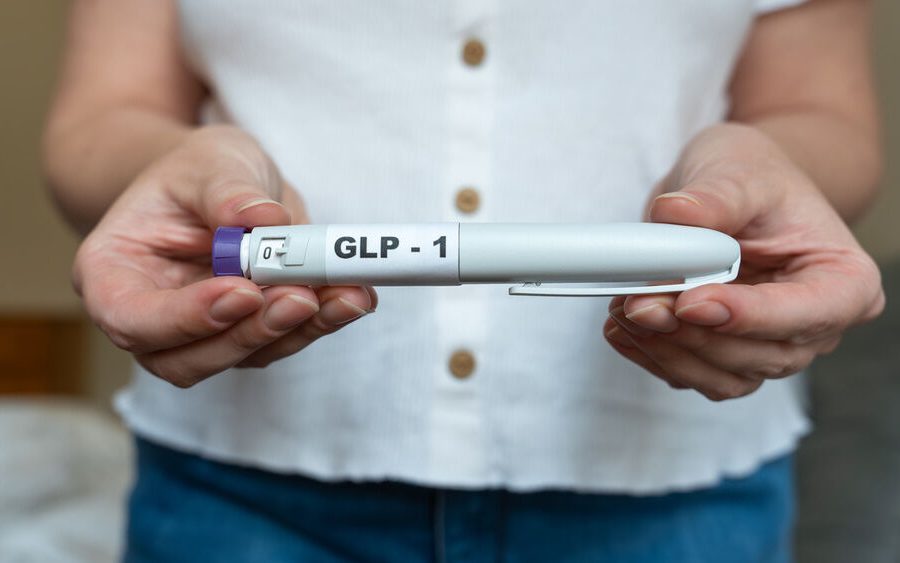
Britain’s food and drink landscape is undergoing one of its fastest behavioural shifts on record, as new data shows the rapid rise of GLP‑1 weight‑loss drugs is fundamentally altering how millions shop, eat and engage with grocery categories.
According to new findings from Worldpanel by Numerator, the number of British households with a GLP‑1 user has nearly tripled in two years, with 6.3% of households now including at least one user in 2026 — up from 4.1% in 2025 and just 2.3% in 2024. That equates to 1.9 million adults currently taking weight‑loss medication.
Chantel Kennaugh, head of public sector and nutrition, GB for Worldpanel by Numerator, said: “What was once a specialised treatment, primarily prescribed for type 2 diabetes, has in just a few short years become a mainstream force. Now, 68% of users are taking GLP‑1s specifically to lose weight… These drugs are fundamentally disrupting how people engage with food and drink.”
A structural shock to grocery
The research reveals a dramatic contraction in grocery purchasing among GLP‑1 users:
- £780 million has been removed from Britain’s grocery receipts
- 299 million fewer packs have been purchased
- User households spend £418 less per year than non‑user households
More than half of users (54%) report fewer cravings and reduced “food noise”, while one in ten (11%) say they no longer enjoy their usual food and drink favourites.
This behavioural shift is clearly visible in category performance. Users say they are cutting back on chocolate (75% reducing) and crisps (72% reducing).
And their baskets reflect it: chocolate spend among GLP‑1 households has fallen 18 percentage points more than in non‑user households.
Not all categories lose
Side effects are creating unexpected winners. The dry‑mouth symptoms often dubbed “Ozempic mouth” are pushing users toward oral‑care products:
- Mouthwash spend is up 20 percentage points
- Chewing gum spend is up 24 percentage points
These shifts show that while appetite‑driven categories are shrinking, functional and symptom‑management categories are gaining ground.
Affordability emerges as the biggest barrier
While side effects were the top reason for stopping treatment last year, cost has re‑emerged as the primary barrier.
- Four in ten (41%) users have stopped GLP‑1 medication in 2026 because it is too expensive.
- Women remain significantly more likely to use GLP‑1s, accounting for 77% of current users.
The rise of the “small appetites economy”
More than half of users (52%) now describe their eating style as mindful, guided by hunger cues rather than habit. This is reshaping expectations of the food industry around foodservice with 40% wanting smaller portion sizes on menus, and 26% wanting GLP‑1‑friendly menu sections.
Nishita Pattni, senior consultant at Worldpanel by Numerator, said: “The picture ahead is complex… As these drugs reshape user needs, consumers will increasingly look to retailers and manufacturers for support and guidance.”
With adoption rising and long‑term effects still uncertain, the data suggests Britain’s food and drink sector is only at the beginning of a profound structural shift — one that will demand rapid adaptation from brands, retailers and manufacturers alike.
Topics
Chewing gum chocolate crisps foodservice GLP-1 weight loss
PeopleChantel Kennaugh Nishita Pattni
Organisations