In‑mould labelling enters connected packaging era
IML connected packaging traceability is entering a new phase as Polytag and Multi‑Color Corporation (MCC) Global IML announce a partnership that brings UV tag technology directly into in‑mould labelled packaging for the first time.
The collaboration marks a significant step forward for packaging intelligence, recycling infrastructure and the wider circular economy, extending digital traceability into formats traditionally considered too demanding for conventional labelling.
Polytag, the UK’s leading data capture and marketing platform enabling the circular economy, has integrated its UV tag technology into MCC’s in‑mould labelling (IML) solutions. This allows brands to embed an invisible, machine‑readable digital fingerprint into packaging formats used across frozen foods, high‑moisture environments and other challenging retail conditions. The move expands connected packaging capabilities beyond traditional label applications and into packaging types where durability and adhesion have historically limited innovation.
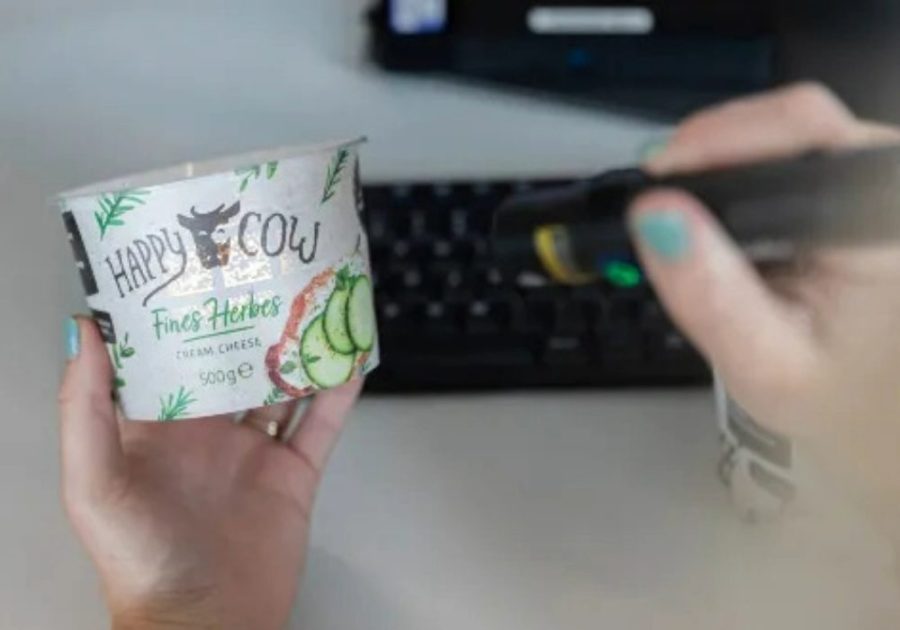
The partnership has already been demonstrated through a recent rollout on Happy Cow’s faux brand tub packaging, showcased during a GS1 and Pellenc ST demonstration day. The event highlighted how Polytag’s UV tags and advanced optical sorting technologies can work together to improve material recovery, traceability and data capture for IML packaging — a category that has lacked robust digital identification options until now.
Polytag’s UV tag carries packaging‑specific data that cannot be determined through visual identification alone. This includes material composition, recycled content, manufacturing details and material origin. When detected by specialised units installed at material recovery facilities (MRFs), the tags enable packaging to be sorted based on attributes that directly influence recycling outcomes. The result is higher‑quality recycled material streams and improved circularity.
“Working with MCC allows us to extend the reach of our technology, and scale into new packaging formats, helping brands access valuable recycling data while preparing for the future of connected packaging and digital product information,” said Alice Rackley, CEO of Polytag.
The collaboration also supports brands preparing for Extended Producer Responsibility (EPR) requirements. Data captured through Polytag’s platform can help offset EPR fees, inform packaging redesign and strengthen on‑pack recyclability messaging. The technology is already in use on milk bottles for major retailers including Waitrose and Ocado, and the MCC partnership enables this capability to scale across new categories.
“By combining MCC’s expertise in IML with Polytag’s technology, we’re helping bring connected packaging to more products and more consumers,” said Nico Van de Walle, senior product and circularity manager at MCC Global IML.
“Extending our technology into IML packaging is an important step forward. It allows brands to gain deeper insight into what happens to packaging after use,” added Jon Anderson, CTO at Polytag.
For the packaging sector, the partnership signals a shift toward IML connected packaging traceability becoming a mainstream capability. As digital product information, advanced sorting and circularity targets accelerate across Europe, the ability to embed traceability directly into moulded packaging formats positions Polytag and MCC at the forefront of next‑generation packaging intelligence.
Topics
circular economy digital traceability EPR frozen foods in-mould labelling labelling
PeopleAlice Rackley Jon Anderson Nico Van de Walle
Organisations