Flavour crossover opens new routes to product development
Flavour trends rarely stay in one category. A taste that gains traction in beverages, confectionery or dairy can quickly appear in bakery, snacks or desserts, giving food manufacturers a growing pool of signals to draw on when developing new products.
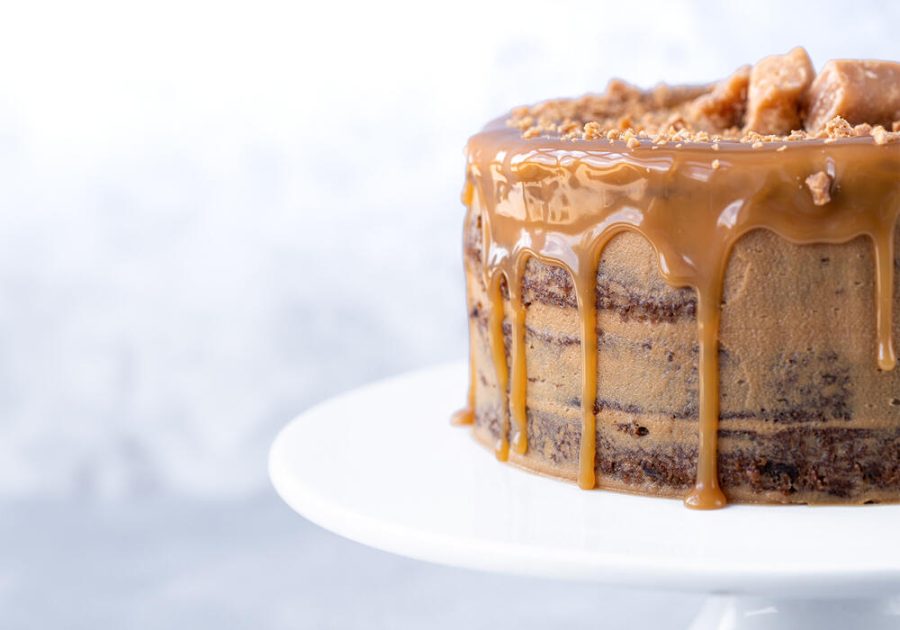
For British Bakels, that crossover provides a useful way of identifying where consumer tastes may be heading. Its autumn/winter 2026 sweet bakery flavour forecast puts salted caramel at the top of its list, followed by cherry, caramelised biscuit, pistachio and banana. Tiramisu, salted maple, brown butter, pumpkin spice and matcha complete the top ten.
But the significance of the forecast extends beyond bakery. British Bakels’ analysis draws on trends across desserts, confectionery, cereals, beverages, dairy and snacking, alongside consumer approval ratings, Mintel data and wider cross-category momentum.
The approach highlights an important opportunity for product developers manufacturers can identify established tastes that are gaining relevance elsewhere and consider how they can be adapted to their own products.
Following the flavour
The crossover of flavours between categories is already well established. Ingredients and flavour combinations that become familiar through one application can provide consumers with a reference point when they encounter them in another.
That can reduce some of the uncertainty associated with innovation. A manufacturer does not necessarily have to introduce an unfamiliar flavour to create something new; combining a recognisable flavour with a different format, texture or pairing can provide a more accessible route to product development.
British Bakels marketing manager Dan Jones says: “Familiarity is a powerful driver in sweet bakery, but familiar doesn’t have to mean predictable. What we’re seeing for autumn and winter is established flavours being given new relevance through different pairings, formats and finishes.”
The company’s consumer research provides examples of this momentum. Approval for salted caramel increased from 31% in the first half of 2026 to 49% for the second half, while 38% of consumers said they look for cherry flavours in sweet bakery and 39% look for spiced biscuit.
Maple also recorded an increase in purchase consideration, rising from 36% in the first half of 2026 to 40% in the second half.
These figures offer more than a snapshot of seasonal flavour preferences. They demonstrate how manufacturers can combine consumer data with signals from other categories when considering which trends have potential for further development.
Familiar flavours, different applications
For product developers, the opportunity lies in translating those signals rather than simply following them.
Salted caramel, for example, is already familiar to consumers but can be developed through different flavour profiles and applications. British Bakels identifies opportunities around sea salt and smoked notes, while banana can be combined with brown butter or custard. Maple and brown butter can provide another route towards more premium interpretations of familiar products.
The same principle can be applied across categories. A flavour gaining attention in a beverage can prompt questions about its potential in bakery or dairy; a successful confectionery combination can provide inspiration for a snack or dessert; while an established bakery flavour can be repositioned through a different format or ingredient combination.
This makes cross-category observation a useful part of the product development process. Rather than viewing categories in isolation, manufacturers can look for common consumer signals and assess where those signals could translate into commercially relevant applications.
From trend spotting to product development
The challenge, however, is distinguishing a flavour that is generating short-term attention from one that has the flexibility to work across products and markets.
That requires more than identifying what is trending. Manufacturers need to consider consumer familiarity, application performance, compatibility with existing formulations, manufacturing requirements and whether a flavour can offer something distinctive when translated into a new product.
Jones says: “Flavour trends don’t start and stop at the bakery counter. Looking at what is gaining momentum across food and drink gives us an indication of where consumer tastes are heading and, importantly, which trends have the versatility to translate successfully into bakery.”
This is where cross-category analysis can become a practical product development tool. The initial signal may come from outside a manufacturer’s core category, but the opportunity is created by working out how that signal can be adapted to a particular product, consumer and manufacturing process.
Innovation without starting from scratch
For food manufacturers, the appeal of flavour crossover is therefore not simply access to a larger list of trends. It is the ability to use established consumer familiarity as a starting point for innovation.
A flavour can be borrowed from another category, combined with an existing favourite, adapted to a different format or given a new premium or seasonal interpretation.
That can create a middle ground between incremental reformulation and launching something completely unfamiliar: products that feel new to consumers while retaining a recognisable flavour reference.
As Jones puts it, identifying a trend is only part of the picture. The opportunity is understanding which trends have staying power and how they can be translated into products consumers will want to buy.
For manufacturers, that makes the movement of flavours between categories more than a source of inspiration. It provides another lens through which to assess consumer demand, identify product opportunities and decide where the next wave of innovation could come from.