
Sports and energy drink market analysed
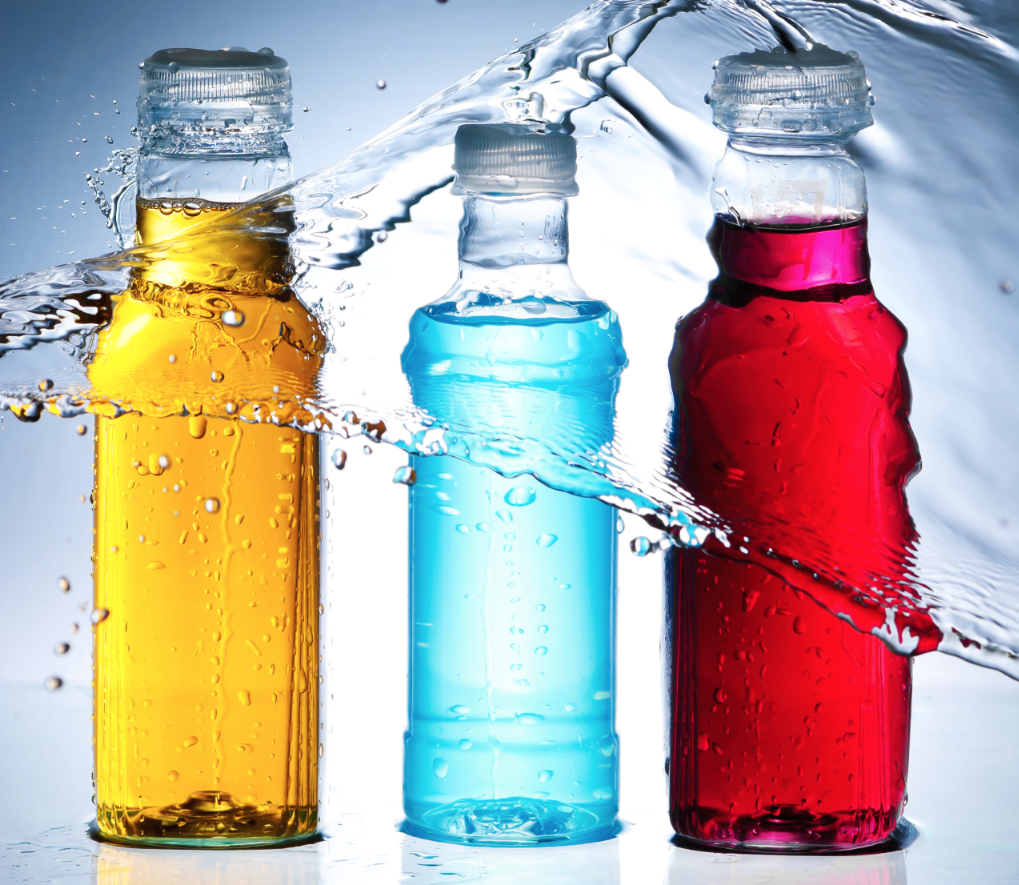
The global sports and energy drink market 2016-2020 is expected to grow at a CAGR of 11.19% in terms of revenue and 9.97% in terms of volume, according to Technavio’s latest report.
Energy drinks are more popular with the younger population, particularly those in the age group of 18-34 years due to various factors such as packaging, branding, and the association of these drinks with adventurous sports, according to the company.
Arushi Thakur, lead analyst specialising in non-alcoholic beverage research, explains, “Leading vendors are aggressively launching many new products to expand their market share. For instance, Xenergy+ Hydration Tropical Punch is a caffeine free energy product that was launched in June 2014. Similarly, ReliOn launched a pomegranate flavoured glucose shot energy drink, also caffeine free and claims to lower blood sugar levels.
“With the popularity of these trends, the global sports and energy drink market is predicted to reach close to $117.79 billion by 2019.”
The use of botanicals in energy drinks is also becoming a key emerging trend. With growing health concerns associated with the consumption of caffeine, consumers are starting to look for more natural products. This changing consumer preference is driving vendors to come up with products that serve as an alternative to caffeinated products.
Swedish beverage company Auro launched an energy drink that contains a combination of matcha green tea, ginseng and guarana, for example. Another product that can serve as an alternative to caffeinated products is GustoOrganic, which contains Siberian ginseng, Chinese angelica, chrysanthemum flower and guarana.
This trend is predicted to significantly augment the demand for sports and energy drinks over the next four years.