Alpro cuts operational costs by 25% with advanced energy optimisation
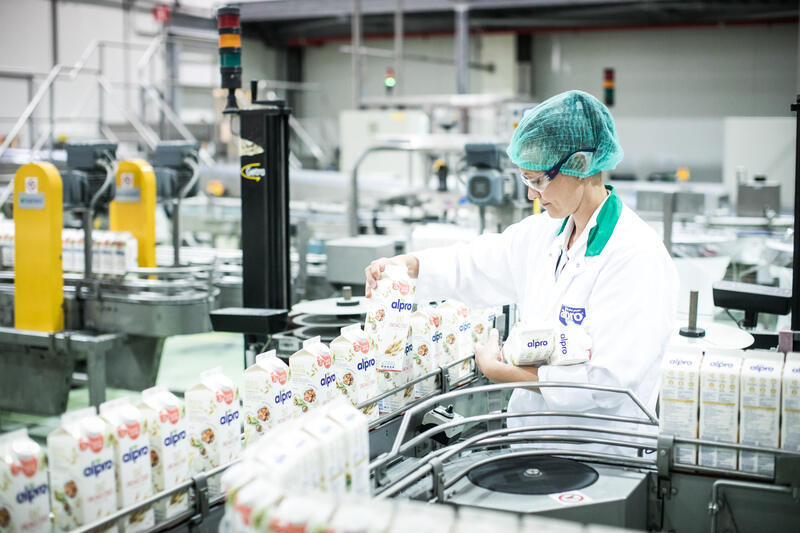
Alpro, Europe’s leading producer of plant-based foods, has transformed its energy management and production planning, achieving a 25% reduction in operational costs through the application of operational research techniques.
With large-scale factories and energy-intensive processes, Alpro faced the challenge of aligning fluctuating energy demand with production schedules while navigating volatile electricity markets.
The company draws power from a mix of boilers, generators, and solar panels, but also relies on external electricity markets where prices can change unpredictably. Balancing these variables alongside maintenance schedules created a complex optimisation problem.
To address this, Alpro partnered with GAMS Software to develop a decision-support system that integrates energy generation, market dynamics, factory loads, and operational constraints into a single framework. The solution uses two custom optimisation models, delivered through a web-based interface that also enables conditional bidding in the day-ahead electricity market.
The first model automates bidding decisions, analysing spot price forecasts, solar energy projections, factory demand, and maintenance schedules to determine when Alpro should buy or sell energy. The second model then optimises the load of each energy-generating asset on a 15-minute basis, ensuring efficient use of resources and maximising renewable energy from Alpro’s solar installations.
Since implementation, Alpro has reported that energy management is now three times faster, with employees able to control energy assets in a fraction of the time. The system not only reduces costs but also strengthens competitiveness in the electricity market and supports Alpro’s sustainability goals.
Speaking at the EURO 2025 conference, Alpro highlighted the importance of collaboration between operational teams and technical experts, iterative development with continuous feedback, and strong cultural buy-in for automation. The company’s success demonstrates how operational research can deliver tangible benefits for food and drink manufacturers, improving efficiency, resilience, and sustainability in an increasingly complex energy landscape.