Record beef price surge forces acceleration of meal affordability strategies
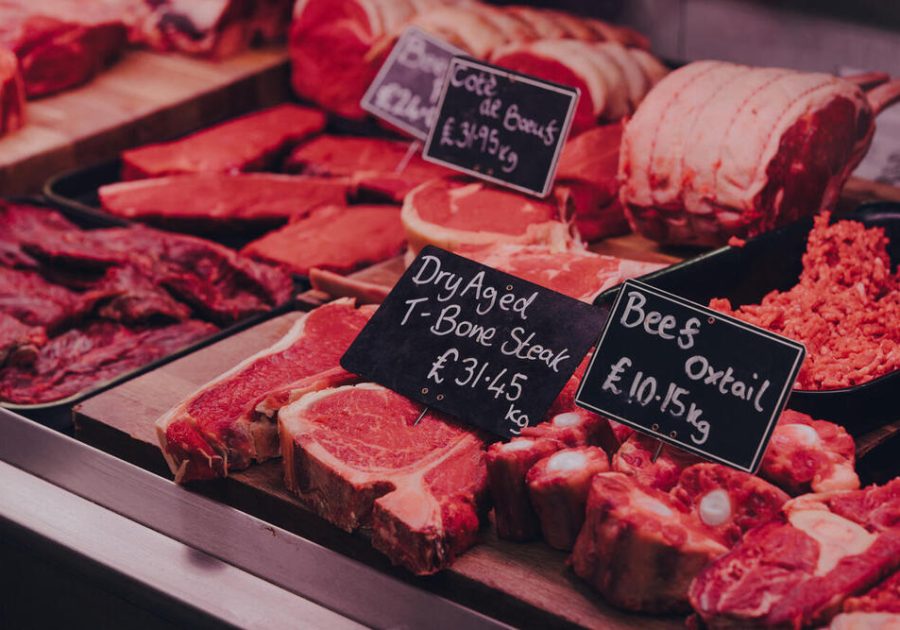
Image: AdobeStock_785687709
Food producers and retailers are under intense pressure to safeguard consumer affordability after new Office for National Statistics (ONS) data revealed a record 27.4% surge in UK beef prices over the past year — the largest increase since records began in 1988.
Supply chain consultancy Inverto, part of Boston Consulting Group (BCG), warns that the unprecedented hike, driven by a combination of global and domestic factors, cannot be easily absorbed by industries operating on traditionally low profit margins.
The record inflation is a culmination of multiple supply-side shocks:
- International supply constraints: global beef prices have been pushed up by droughts in the US and disease amongst Mexican beef cattle.
- Domestic production decline: in the UK, farmers have faced significantly higher feed and energy costs (following the war in Ukraine) and rising wage bills. This economic pressure has contributed to an 8.5% drop in the number of UK cattle farms since 2020.
- Supply shortage: the number of cattle slaughtered fell 6% in the quarter to September 2025, pushing UK beef production to a 10-year low.
Katharina Erfort, principal at Inverto, acknowledged the market reality: “The unprecedented rise in beef prices over the last year is not something that food retailers and food manufacturers can easily absorb. They are also loath to just pass these price rises on to customers as many families are still recovering from the cost-of-living crisis.”
The pricing pressure is already driving significant changes in consumer purchasing habits, forcing the industry to adapt its product mix and shelf strategy.
Protein substitution: consumption of beef burgers and other processed beef products has dropped by 12% in the UK, while demand for less expensive proteins, notably minced pork, has risen by 35%. This mirrors a trend in the US where sales of costly cuts like ribeye have fallen, giving way to cheaper alternatives like chuck.
Chicken gains ground: food manufacturers are accelerating a long-term shift toward chicken-based meals, as chicken prices have increased less than 4% over the past year, leading to sharply increased chicken sales in both the UK and US.
In response, supermarkets are actively managing their beef category by increasing shelf space for lower-cost products like mince and reducing space allocated to premium steaks. Retailers are also optimising the blend of cuts within their own-label beef products to maintain a more affordable price point for shoppers.
To curb further price increases and protect margins, Inverto advises food producers and supermarkets to look beyond raw material costs and focus on operational efficiencies.
“AI can give food producers and retailers better visibility over their supply chain costs. This can play a very important role in curbing further price increases,” said Erfort.
Inverto recommends that businesses urgently review indirect costs, such as logistics and marketing, which are often overlooked but can account for up to 15% of retail revenues. Many companies are now leveraging AI to improve visibility over supply chain costs, strengthening areas such as:
- Forecasting and inventory: AI can better predict consumer demand to avoid costly overstocking and identify early signs of inflation in input costs.
- Logistics optimisation: using AI to forecast traffic conditions and optimise delivery routes to reduce fuel and time costs.
By utilising advanced technology to achieve tighter cost control, reduced wastage, and a more efficient balance sheet, the industry aims to manage the record inflation without fully passing the burden onto the consumer.
Topics
AI beef poultry private label protein
PeopleOrganisationsBoston Consulting Group Inverto Office for National Statistics
Regions