GEA MultiJector 500 enhances line performance
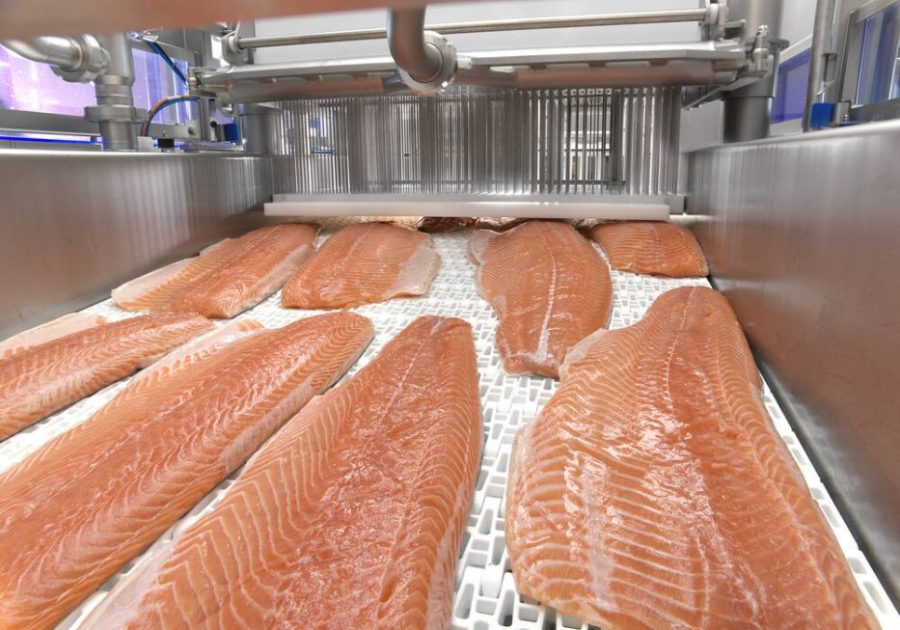
GEA has expanded its injection portfolio with the launch of the MultiJector 500, a new brine injector designed specifically for small‑ to mid‑capacity processors handling ham, deli meats, bacon, poultry and fish.
The system, which debuts at interpack 2026, brings higher accuracy, improved retention and easier sanitation to production environments where recipe variation, shorter runs and tighter margins are increasingly the norm.
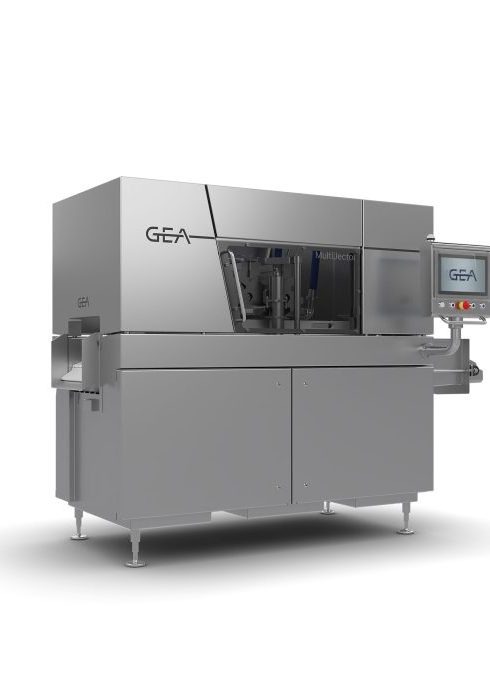 The MultiJector 500 succeeds earlier 450‑mm‑width systems and is built around application‑specific needle configurations that allow processors to tailor injection patterns to product type and process goals. Depending on the application, users can select 2 mm or 4 mm OptiFlex needles, with needle density and diameter determining how evenly brine is dispersed across the product surface. A denser pattern supports more uniform curing — a critical factor in preventing microbiological risk, yield loss and inconsistent colour or texture.
“Processors in the small‑ and mid‑capacity range are under pressure due to greater recipe variation, that results in more and shorter runs and tighter operating margins at the same time,” said Willem Poos, product manager at GEA. “The MultiJector 500 was developed to provide a more adaptable injection platform while optimising the process factors that most often affect uptime, retention, and cleaning effort.”
Injection is one of the most sensitive steps in industrial meat processing, directly influencing product safety, yield and final quality. Poor retention can lead to drip loss or purge during tumbling, cooking or packaging, affecting both appearance and shelf life. The MultiJector 500 addresses these challenges through a revised drive concept that reduces mechanical stress on the product, improved brine distribution, and GEA’s robust OptiFlex needle technology.
These capabilities are particularly relevant in cleaner‑label bacon, where reduced sodium and nitrite levels weaken the natural osmotic effect that traditionally supports curing. Under these conditions, uneven brine distribution can lead to under‑curing, colour variation and increased microbiological risk. GEA’s 2 mm needle option, with its tighter injection pattern, is designed to counter these issues by improving distribution accuracy.
Poultry processors face a different challenge: delicate tissue structures that release proteins into recirculated brine, increasing the risk of clogged needles and unplanned downtime. To address this, the MultiJector 500 can be equipped with the ScreenFilter module of GEA’s new Modular Injector Filter, engineered to maintain brine cleanliness in more demanding applications.
“Filtration performance has a direct impact on process stability,” Poos added. “When needles begin to clog, the consequences extend beyond maintenance. It affects injection accuracy, shift continuity, and ultimately product consistency. The modular filter concept was developed to simplify cleaning while keeping brine quality under control.”
The system also features a tool‑free belt removal mechanism that enables cleaning in under 10 minutes, reducing the labour, water use and brine disposal associated with intermediate sanitation — a major cost driver in many plants.
For ham and deli applications, where processors often manage a wider variety of products and smaller batch sizes, GEA offers a 4 mm needle configuration with optimised height adjustment and smooth needle‑head movement. Combined with GEA’s stripper plate technology, the system supports gentle handling and fast rinsing between products, helping processors maintain productivity during frequent changeovers.
The launch comes as processors across meat, poultry and seafood face mounting pressure to balance product quality with leaner formulations, stricter hygiene standards and tighter resource management. Uneven brine distribution, clogged needles, repeated intermediate cleaning and time‑consuming sanitation all reduce throughput and increase waste.
GEA positions the MultiJector 500 as a solution to these combined pressures. In one operating scenario, uninterrupted production over an eight‑hour shift — without stopping for filter cleaning or needle replacement — can save one to two hours of lost production time, alongside reductions in water use, brine loss and contaminated brine disposal. The system’s patented needle block and durable OptiFlex needles further extend replacement intervals, lowering operating costs.
The MultiJector 500 sits within GEA’s broader marination line concept, which integrates defrosting, brine preparation, injection, shaking/tenderising and tumbling. This allows processors to design complete lines around specific capacity targets and product mixes, rather than treating injection as an isolated step.
With the MultiJector 500, GEA is offering small‑ and mid‑capacity processors a more adaptable, efficient and hygienic injection platform — one that supports higher retention, better product consistency and more stable production, even as formulation and operational demands continue to evolve.
Topics
brine injector clean label curing filtration interpack 2026 meat meat processing poultry sanitation seafood
PeopleOrganisations