BBFAW: global food falling short on higher‑welfare commitments
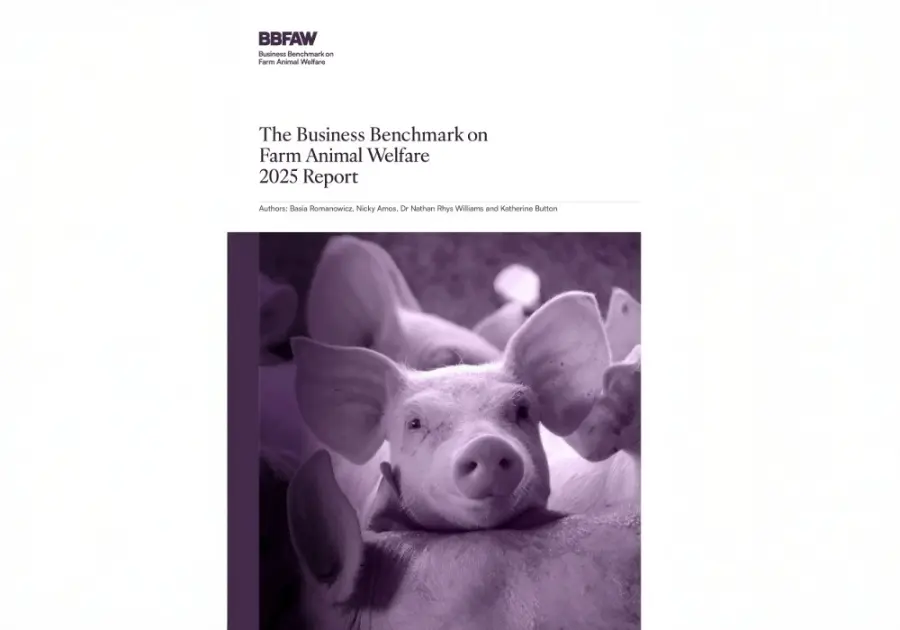
Food companies are continuing to set ambitious farm animal welfare commitments but are struggling to turn those promises into meaningful, measurable action, according to the latest Business Benchmark on Farm Animal Welfare (BBFAW) report.
The 2026 assessment, which evaluates 149 of the world’s largest food companies and informs a $3 trillion investor coalition, shows strong policy‑level intent but slow progress in implementation across global supply chains.
The benchmark ranks Marks & Spencer, Premier Foods, Waitrose and Greggs as the top performers this year, all achieving Tier 2 status. Eight companies moved up a tier overall, including Amazon/Whole Foods Market, Asda, Groupe Casino and Hilton Food Group, while 11 companies fell by one tier, among them Arla Foods, Campbell Soup Company and Unilever.
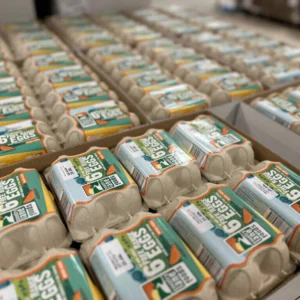
BBFAW reports encouraging signs of movement on key welfare issues. Of the 139 companies with eggs in their supply chains, 69% now have targets to eliminate cages for laying hens, and 71% report progress toward achieving cage‑free eggs, up from 67% last year. The number of companies sourcing eggs from supply chains where male chicks are not culled has risen from 9% to 15%. Progress is also visible in pig welfare: 13% of companies now have targets to phase out farrowing crates, up from 9% in 2024.
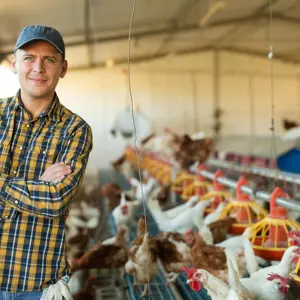
However, BBFAW warns that these improvements mask a persistent “ambition‑action gap.” While 96 companies have set cage‑free targets, only 17—just 18%—report that 100% of their eggs are cage‑free. Only 33 of those targets apply universally across all products and geographies. Implementation of the Better Chicken Commitment is also limited: of the 39 companies signed up, only four report that a substantial portion of their supply chain meets its core requirements.
Nicky Amos, executive director of BBFAW, said the findings show that “while many companies have set a course for a food system that is more compassionate, resilient and fit for the future, progress remains slow. That puts not just farm animals at risk, but also consumers and investors.” She added that “public ambition on animal welfare issues like cage free eggs is strong, but the BBFAW research shows few companies translate that into comprehensive action across global food supply chains.”
The report highlights that nearly 90% of companies — 135 in total — still sit in the lowest Impact Rating categories, E or F, indicating limited or no evidence of delivering higher welfare practices on the ground. Only three companies achieved a B rating: Fonterra, Marks & Spencer and Premier Foods. Five companies improved their Impact Rating this year, including Asda, ALDI, Cranswick, Hilton Food Group and LDC Groupe.
Animal welfare organisations supporting the benchmark say the slow pace of change has real‑world consequences. Philip Lymbery, global CEO of Compassion in World Farming International, said: “Phasing out cages is a vital first step toward transforming our food system, and companies with cage-free commitments now have a real opportunity to turn those promises into meaningful progress — progress that will deliver better lives for millions of animals.” He warned that industrial agriculture has “pushed natural systems to their limits,” and argued that improving welfare is a “strategic investment in long-term sustainability.”
Luciana D’Abramo, chief programme officer at FOUR PAWS, stressed the urgency of implementation. “Animals are sentient beings, and we owe them not only a better life, but recognition that their wellbeing is inseparable from human health, food security, and the future of our planet,” she said. “While many companies have pledged to go cage-free, progress remains slow – only 18% have fully delivered. For these animals, every delay means another day of needless suffering.”
The report also identifies regional trends. French and Brazilian companies showed the strongest improvement, with Latin American companies outperforming those in Asia, Europe and North America for the first time. Asia Pacific remains the poorest performing region, with nearly all companies in the bottom two tiers and 43% lacking an overarching animal welfare policy. North American companies have the lowest scores globally on welfare performance impact.
Other findings show that only 40% of companies have commitments to end prophylactic and routine metaphylactic antibiotic use, despite rising concerns about antimicrobial resistance. On dairy, 21% of companies have time‑bound targets to eliminate tethering. For pigs, 11% have targets to end gestation crates, and 13% aim to phase out farrowing crates. In aquaculture, 25% of salmon producers report using humane stunning, up from 23% last year.
Despite slow progress, BBFAW notes some long‑term improvement: average scores have risen from 16% in 2022 to 18% in both 2024 and 2025, and the number of companies with the lowest F rating has fallen for the third consecutive year.
The overarching message from BBFAW and its partners is that commitments are no longer enough. Without faster, verifiable implementation, millions of animals remain in low‑welfare systems, and companies risk falling behind consumer expectations, investor scrutiny and emerging regulatory pressures.