Nestlé Dairy Plan strengthens supply for key categories

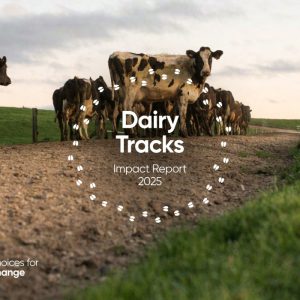
Nestlé is signalling a shift in how it secures the future of its dairy‑based portfolio, publishing its first Dairy Plan report and outlining how a 26% cut in greenhouse gas emissions across its dairy value chain is reshaping the way it sources, develops and protects its products.
The report sets out a broad transformation programme touching more than 130,000 farmers and 200 suppliers across 40 countries. For a company whose global portfolio relies heavily on milk powders, dairy ingredients and fresh milk inputs, the plan is designed to stabilise supply, improve quality and reduce exposure to climate‑driven volatility.
At the heart of the strategy is a push to help farmers adopt practices that cut emissions while improving productivity and animal welfare. Nestlé highlights lower‑carbon feed, manure management and methane‑reduction technologies as the areas with the greatest impact.
By converting manure into energy or compost, for example, farmers can reduce emissions, lower energy costs and generate new income streams. The company reports a 25% reduction in methane and a 26% reduction in total dairy‑chain emissions compared with its 2018 baseline.
Katja Seidenschnur, Nestlé’s head of sustainability for the nutrition & health business, said the plan shows how “productivity, quality milk and sustainability are closely connected and can positively reinforce each other.” She added that the work is also “supporting Nestlé’s long‑term access to high‑quality milk and milk ingredients – crucial for the production of the nutritious products across our portfolio.”
More resilient dairy supply chains mean greater consistency in ingredient quality, fewer disruptions and a stronger foundation for innovation in categories such as infant nutrition, medical nutrition, dairy beverages, ice cream and confectionery. Nestlé’s investment in regenerative agriculture — including soil cover, minimum tillage and tree integration — is also expected to improve soil health and water management, supporting more stable yields.
The plan goes beyond environmental performance. Nestlé is investing in farmer livelihoods, offering training in business management, digital tools and technical skills. By professionalising dairy farming, the company aims to secure the next generation of producers and protect long‑term supply.
Animal welfare improvements, including optimised nutrition, veterinary care and cooling systems, are positioned as drivers of both higher‑quality milk and better productivity. In 2025, more than 34% of Nestlé’s dairy supply came from farms implementing regenerative practices, a figure the company expects to grow.
The Dairy Plan also reinforces Nestlé’s broader commitments. The company is working with academic and government research institutions through its Institute of Agricultural Sciences to develop science‑based solutions for methane and manure emissions. It is also expanding its social impact footprint, with school feeding programmes reaching 68 million children in 2025.
For Nestlé’s product portfolio, the message is straightforward: lower‑carbon dairy, more resilient farms and higher‑quality milk are now central to how the company plans to protect and grow its global brands. The Dairy Plan is designed not only to cut emissions but to secure the raw materials that underpin some of the world’s most widely consumed dairy‑based foods.