Kerry’s enzyme engine hits year one
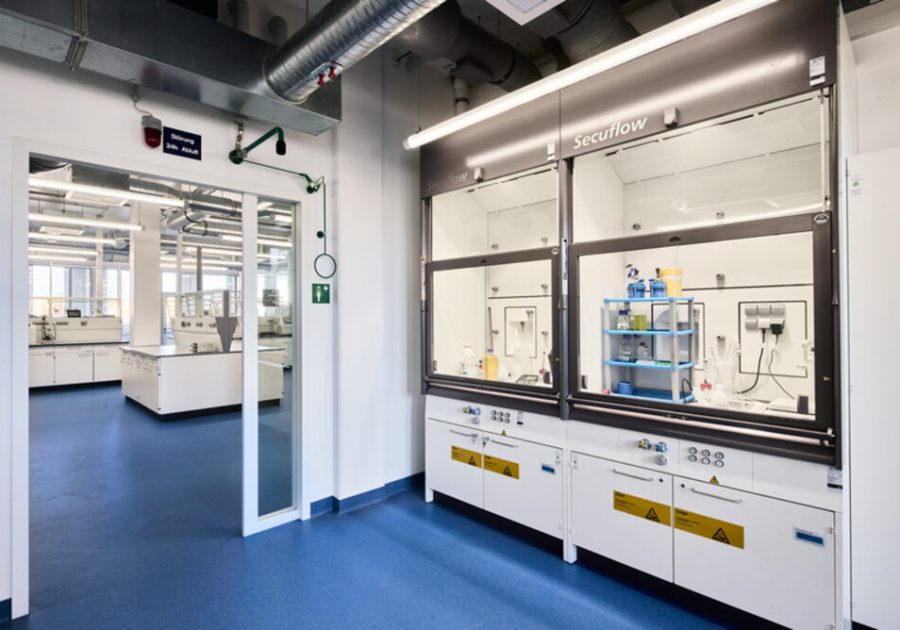
One year after opening its 10,000 m² Biotechnology Centre in Leipzig, Kerry says co-locating AI-driven bioinformatics, strain engineering and pilot-scale fermentation under one roof is compressing discovery timelines and bringing scalable bio-solutions to market faster.
A sector under pressure
Food, beverage and biotech manufacturers face growing pressure to reduce processing costs, meet shifting safety standards and hit sustainability targets. Against that backdrop, Kerry, a global leader in taste and sustainable nutrition, is positioning enzymes as core innovation drivers rather than background processing aids.
The Kerry Biotechnology Centre (KBC) gives the company’s network of scientists access to bioinformatics, enzyme and strain engineering, machine learning and AI modelling, alongside infrastructure for fermentation and bioprocess development, scale-up and production. Enzyme Discovery and Enzyme Engineering teams share a laboratory environment, a set-up designed to accelerate technical exchange and shorten development cycles.
Twelve months in the lab
Kerry highlights five areas of progress from the Leipzig team’s first year:
- Fungal expression: enzymes produced in filamentous fungal cultures for the first time.
- Cloud-based discovery: the proprietary ENESYZ platform, supported by Next-Generation Sequencing (NGS), AI and machine learning-assisted directed evolution, has been migrated to a cloud-based architecture, extending advanced discovery tools across Kerry’s global sites.
- Screening at scale: automated screening of 17,500 enzymes to identify matching enzyme candidates.
- Biopharma launches: CellTrypase, the first development launched directly from the new facility, has been introduced, while Denarase High Salt has shipped to 108 customer testing sites.
- Coffee and regulation: Acrylerase, described as a new-to-world amidase enzyme, has secured a positive European Food Safety Authority (EFSA) scientific safety opinion. Kerry positions it as a simple drop-in solution for acrylamide reduction in instant coffee and coffee substitutes, without altering yield or taste.
Rethinking the role of enzymes
Ronan Moloney, vice president, enzymes at Kerry, framed the milestones as part of a broader shift in how the industry views the category.
“The perception of enzymes have evolved from simple processing aids into strategic innovation tools that allow food, beverage, and biopharma manufacturers to overcome complex market pressures without compromising on taste or quality,” he said.
He added: “By bringing discovery, strain engineering, and pilot-scale production under one roof in Leipzig and pairing that with our proprietary ENESYZ bioinformatics platform, we are using machine learning to map enzyme sequences faster than ever. We’re incredibly proud of our integrated end-to-end model that enables us to turn complex biological science into scalable, commercially viable solutions that solve our customers’ toughest formulation and sustainability challenges.”
A hub for collaboration
The site has also become a meeting point for the wider industry. In its inaugural year, the Centre hosted more than 400 external guests across five major industry events. Looking ahead, Kerry says it will continue to leverage its biotechnology network to co-create high-impact solutions with customers worldwide as regulatory frameworks evolve and demand for sustainable, resource-efficient solutions accelerates.