Meat masters

Polish Kielbasa Lisiecka PGI.
At the heart of Europe’s meat industry, Poland and Germany lead with tradition, innovation, and global reach
Europe’s meat industry is a tapestry of tradition, innovation, and global ambition. At its centre stand two powerhouses: Poland and Germany. Together, they embody the balance between heritage and modernity, producing some of the continent’s most iconic meats while embracing cutting-edge technologies to meet evolving consumer demands.
Gaynor Stokes, meat expert and ambassador to the EU’s More Than Only Food & Drink campaign, offers a rare insider’s perspective on how these nations have carved out their dominance, the secrets behind their production, and the opportunities that lie ahead.

Strengths that define Poland and Germany
Poland’s meat sector is built on a dual foundation: thousands of small-scale agricultural businesses that uphold high production standards, and large, modern processing facilities that deliver efficiency at scale. This combination has propelled Poland to the top of Europe’s poultry production rankings, while also securing strong positions in pork and beef.
“Poland is well positioned to meet the growing consumer demand for healthy, lean protein,” Stokes explains. Poultry, in particular, has become the country’s flagship export, prized for its quality and versatility.
Germany, by contrast, is synonymous with pork and beef. Ranking first in the EU for pork and second for beef, German producers benefit from a long history of global exports and strong consumer recognition. German meat products are not only staples at home but also enjoy prestige abroad, supported by decades of consistent branding and quality assurance.
Both countries operate under strict EU regulations, ensuring compliance with food safety and sustainability standards. Increasingly, they are also at the forefront of technological innovation, with artificial intelligence being deployed on farms and in processing plants to enhance efficiency and quality.
Tradition as a competitive advantage
While modernisation drives efficiency, tradition remains the soul of European meat production. Recipes handed down through generations, regional variations in breeds and feeding regimes, and artisanal curing methods all shape the distinctive qualities of Polish and German meats.
In Poland, the Kiełbasa pradziada z Dukli PGI is celebrated for its smoking process and seasoning that reflect local heritage. In Germany, the Schwarzwälder Schinken PGI stands out for its dry-curing and smoking over fir wood, imparting a signature aroma and flavour.
“Distinctive flavours are achieved through the use of different animal breeds and feeding regimes,” Stokes notes. “Traditional practices such as long maturation periods, dry curing, and the varying use of salt, herbs, spices, and smoking methods all contribute to the unique qualities of these products.”
The role of PDO and PGI labels
Protected Designation of Origin (PDO) and Protected Geographical Indication (PGI) labels are powerful tools of trust and differentiation.
PDO represents the EU’s highest guarantee of provenance, requiring that every stage of production occurs within the designated area using recognised traditional methods. PGI offers more flexibility, requiring only one key stage of production to take place in the region, often protecting long-established rearing or curing traditions.
“These certifications are enabling producers to market their products more effectively, communicating the history and tradition behind them,” Stokes explains. “Consumer trust is central to the value of these labels, as they are widely recognised as marks of genuine quality.”
Tourism plays a role too. Many consumers discover PDO and PGI meats while travelling, later seeking them out at home. This creates a virtuous cycle of cultural connection and commercial opportunity.
Standout products
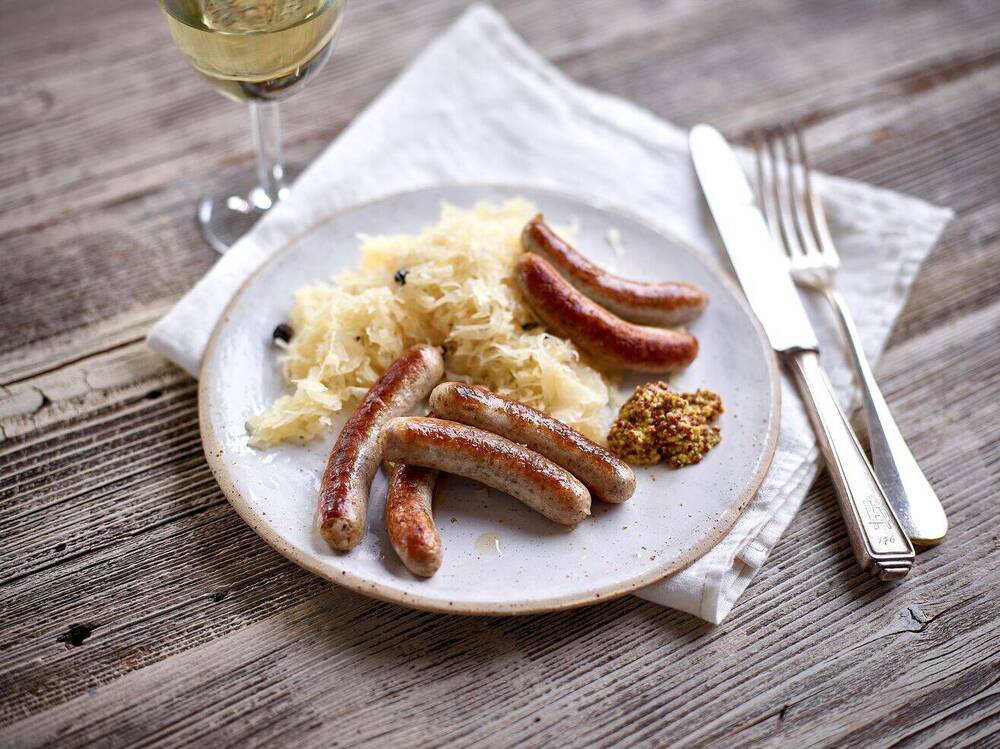
Poland’s Kiełbasa biała parzona wielkopolska PGI and Kabanosy staropolskie exemplify the country’s mastery of sausage-making, combining high-quality pork with traditional smoking and seasoning. Germany, meanwhile, is renowned for its bratwurst styles, with the Nürnberger Bratwürste PGI standing as a certified icon.
These products are not only culinary delights but also ambassadors of national identity. They embody the craftsmanship, heritage, and regional pride that PDO and PGI labels protect.
Positioning in global markets
Polish and German meat producers benefit from large expatriate communities worldwide, who actively seek out familiar products from home. This inherent demand provides a strong foundation for international growth.
National agri-marketing agencies and trade programmes further amplify their reach. Events such as Food Poland 2026 showcase offerings to global buyers, reinforcing the pillars of quality, competitive pricing, and compliance with recognised standards.
“Producers make full use of their leading position within the EU and the credibility conferred by EU-certified labelling systems,” Stokes says. “These designations reinforce trust, support market differentiation, and help unlock opportunities in regions where provenance and regulatory assurance are increasingly valued.”
Challenges and opportunities
The global decline in meat consumption and the rise of plant-based alternatives present undeniable challenges. Outbreaks of animal diseases can also disrupt exports, triggering strict import restrictions.
Yet opportunities abound. Consumers are increasingly avoiding ultra-processed foods, favouring clean, simple, and traditionally made products. Convenience-led formats – ready-to-eat meals, snacking options, and deli counters – are gaining traction, offering new avenues for innovation.
“There is growing demand for convenience-led formats, with ready-to-eat and snacking options becoming more popular as grazing behaviours gain traction,” Stokes observes. “Deli and meat counters present further potential, offering consumers the opportunity to discover products that feel distinctive and convey a sense of authenticity and craftsmanship.”
Consumer preferences driving innovation
Consumer demand continues to shape product development. Ready-made meals, snacking formats, and clean-ingredient lists are increasingly prioritised. Traditional meats, with their straightforward recipes and recognisable flavours, align perfectly with these preferences.
This convergence of tradition and modern consumer trends reinforces the appeal of Polish and German meats across diverse markets. Authenticity, simplicity, and convenience are no longer competing values – they are complementary drivers of growth.
Networking and collaboration
For producers and industry participants, networking remains essential. Trips and trade missions offer opportunities to connect with suppliers, processors, and agri organisations, broadening learning and opening new avenues for collaboration.
“Making the most of every opportunity to connect with people from different businesses and disciplines will broaden learning and open up new avenues for collaboration,” Stokes advises.
Such connections are vital for navigating the complexities of global trade, regulatory compliance, and shifting consumer expectations.
Tradition meets tomorrow
Poland and Germany’s meat industries exemplify Europe’s ability to blend tradition with innovation. From artisanal curing methods to AI-driven processing plants, these nations are shaping the future of meat production while preserving its heritage.
PDO and PGI certifications provide the framework for trust and authenticity, while global marketing initiatives ensure that these products reach new audiences. Challenges such as declining meat consumption and plant-based competition are real, but opportunities in clean-label, convenience-driven formats offer pathways to growth.
At the heart of Europe’s meat industry, Poland and Germany stand as proof that tradition and modernity can coexist – not as contradictions, but as complementary strengths. Their producers are not just meeting demand; they are shaping it, ensuring that Europe’s meat heritage continues to thrive in a changing world.