The texture revolution
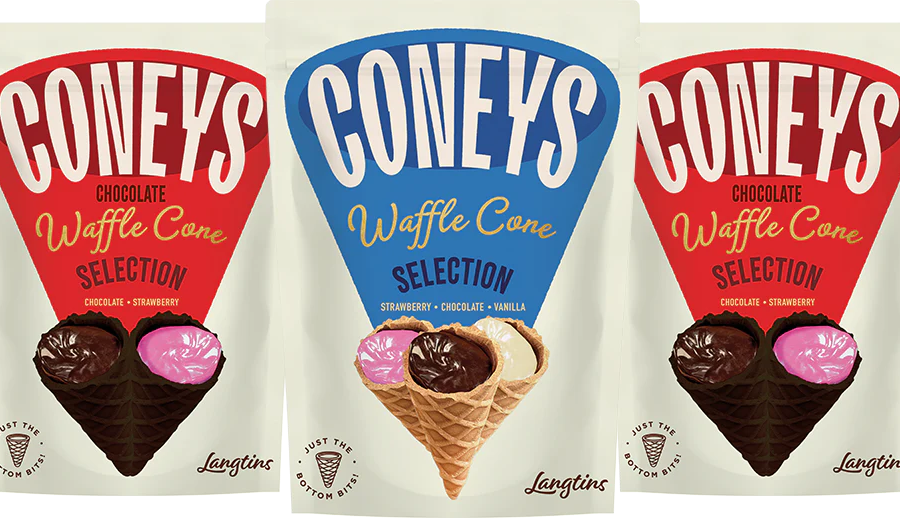
As the UK confectionery market continues to evolve beyond traditional flavour extensions, Langtins is positioning itself as a format-led challenger brand focused on texture, nostalgia, and experiential snacking.
In an era where every brand seems to be launching a salted caramel variant, Langtins founder Ibrahim Sidat has implemented a format-first mandate.
Below, Food & Drink Technology dives into its latest launch, Coneys, and how the brand is leveraging social media shifts to dominate both physical and digital shelves.
Beyond the flavour spin-off
The UK confectionery aisle is notoriously crowded, often saturated with incremental flavour spin-offs. However, Langtins believes that what genuinely disrupts the shelf today isn’t another flavour variant, but something physically different.
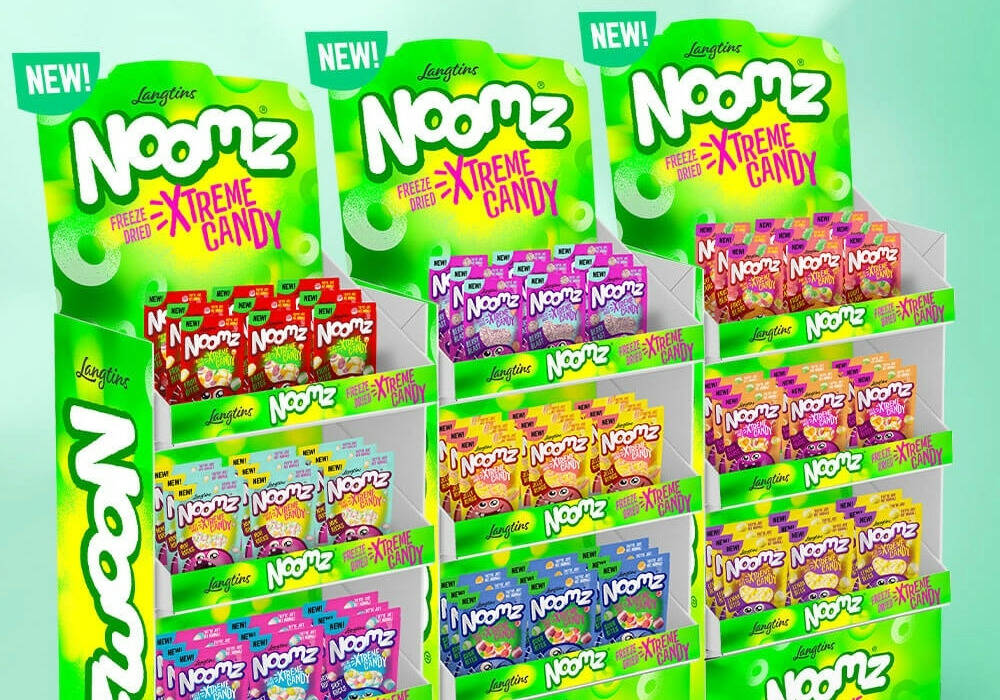 “From day one, Langtins has focused on reimagining familiar treats through format and texture rather than incremental flavour extensions,” Ibrahim Sidat explains. He notes that consumers are increasingly discovery-led, seeking a new crunch, a new bite, or a new structure. This insight led to the creation of Noomz and Coneys, products where flavour supports the experience rather than leading it.
“The original insight came from spotting a gap between nostalgia and novelty. Ice-cream cones are universally loved, but outside of the freezer, they simply didn’t exist in a way that felt modern, indulgent and snackable,” Ibrahim Sidat says.
Engineering the crunch
Replicating the specific texture of an ice cream wafer in an ambient, long-life format is a significant technical hurdle. The primary enemy? Moisture.
 “A wafer cone and a smooth chocolate filling naturally want to compromise each other,” says Sidat. Without precise formulation, the cone loses its defining characteristic: the crunch. To solve this, the Langtins team had to engage in rigorous R&D, which included:
- Engineering an internal protective barrier to separate moisture from the wafer.
- Balancing water levels with surgical precision.
- Stress-testing structural durability for the rigours of distribution.
- Ensuring ambient shelf life without texture degradation.
- The result is a clean crunch that Sidat describes as “non-negotiable” for the brand’s promise.
Novelty meets nostalgia
Langtins tells Food & Drink Technology that it isn’t just selling chocolate; it is selling an emotional experience that bridges generational divides. Sidat identifies two primary emotional drivers at play:
- Younger shoppers (Gen Z/Tweens): driven by novelty, shareability, and the “ASMR” (autonomous sensory meridian response) factor. For them, the “bite is marketing”.
- Older millennials: driven by childhood memories of ice cream vans and cone-based treats.
“The sweet spot is where novelty meets nostalgia,” Sidat says. This approach allows the brand to capture high trial rates from younger consumers — who are often driven by “I’ve never seen that before” — while maintaining loyalty from older consumers who connect emotionally with the format.
Dominating the three-second impulse window
 In the high-stakes world of forecourt and convenience retail, brands have roughly three seconds to win a shopper’s attention. Langtins approaches packaging not just as a container, but as “shelf architecture”.
While most impulse chocolate packs are rectangular and brown, the Coney silhouette is designed to disrupt visual monotony. The packaging strategy relies on:
- Vertical shelf visibility: the recognisable cone silhouette stands out immediately
- Bold colour blocking: high-contrast packs are designed to “pop” under harsh forecourt lighting.
- Name clarity: the name “Coneys” communicates the product format instantly.
The digital shelf
This design philosophy extends to the digital shelf — the smartphone screen. Sidat insists that products must photograph well and create a “satisfying bite shot” for platforms like TikTok. “The product has to win physically before it wins digitally,” he notes, though the two are increasingly intertwined.
From viral fad to permanent habit
A common critique of viral snacks is that they suffer from high trial but low loyalty. Langtins counters this by tracking three specific metrics: repeat purchase rates, rate of sale versus the category, and retailer reorders.
“The key difference between a fad and a format innovation is: Does it become someone’s default treat?” Sidat asks. Early data for Noomz suggests the answer is yes, with retailers increasing facings and rebuying in higher quantities.
Year-round performance
Addressing the potential “seasonal drop-off” for an ice-cream-inspired snack, Sidat argues that Coneys are “memory-dependent,” not temperature-dependent. In winter, the product shifts from a summer treat to:
- A comfort chocolate with a unique crunch.
- A novelty gifting add-on.
- A premium impulse item during peak indulgence seasons.
The challenger advantage
As a challenger brand, Langtins faces the constant threat of big food giants with massive R&D budgets. However, Sidat views the company’s size as its greatest strength. While global giants excel at optimisation, challengers excel at intuition and speed.
“Our advantage is faster innovation cycles, cultural sensitivity, a willingness to take risks, and a strong brand narrative,” Sidat says. While big players can replicate a physical structure, they struggle to replicate the “brand DNA” and the first-mover community Langtins has built.
Scalability and the road ahead
Langtins is currently preparing for a 12–24 month roadmap that includes expanding to 12+ flavours and wider distribution. Scalability has been “engineered early” to ensure that manufacturing processes — like freeze-drying or cone-filling — don’t lose their premium feel as volumes increase.
Consistency of crunch and structural integrity remain the top priorities.
“Growth only works if the experience stays intact,” Sidat concludes.
With Noomz and Coneys leading the charge, Langtins is proving that the future of the confectionery aisle isn’t just about what we taste, but how we experience the bite. As Sidat puts it, they are focusing on these core ranges for the next year, but there are already “new brands in the pipeline”.