ofi surpasses carbon goal
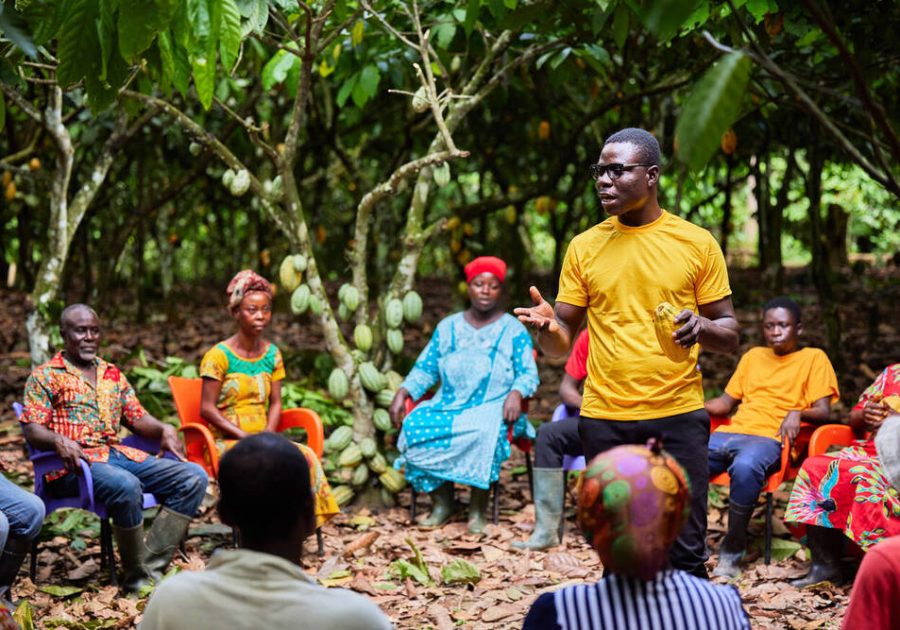
ofi (Olam Food Ingredients), a global leader in natural food and beverage ingredients, is reinforcing its commitment to securing a long-term, sustainable supply of high-quality cocoa ingredients for food and beverage manufacturers.
The company’s latest Cocoa Compass Impact Report (2024) reveals it has not only made significant strides in farmer livelihoods but has also surpassed a critical environmental milestone.
ofi has exceeded its cocoa greenhouse gas (GHG) natural capital cost reduction target for 2024, achieving an impressive 12% reduction per ton of output against its 2018 baseline. This achievement, primarily driven by reductions in land-use change emissions and carbon sequestration from extensive agroforestry programs, directly supports manufacturers aiming to meet their own Scope 3 emissions targets and evolving consumer demands for sustainable products.
Andrew Brooks, ofi global head of cocoa sustainability, emphasised the commercial value of this progress: “We’re continuing to invest in farm-level engagement and ingredient innovation by leveraging the scale of our integrated business model. This enables us to de-risk supply chains, and help deliver more sustainable, high-quality cocoa ingredients and tailored food solutions to our customers.”
The report, marking the halfway point of the Cocoa Compass strategy towards 2030, highlights a dual success in both climate action and social resilience:
- GHG reduction: the 12% GHG reduction milestone was surpassed ahead of its 2024 target, reinforcing ofi’s Natural Capital strategy which mitigates climate and environmental risks that could disrupt future supply.
- Living income: ofi also reached its 2030 cocoa living income target, in collaboration with its customers, with 155,000 farmers — representing 45% of farmers in its global sustainability programs — now earning a living income. While this progress was significantly influenced by recent sharp cocoa market price increases, the company notes its continued livelihood support provided to 320,000 farmers annually helps build resilience against market and climate shocks.
Other notable achievements from the 2024 report include the cumulative distribution of 9.8 million trees for agroforestry and 257,000 farmers trained in good agricultural practices (annual).
Looking ahead, Mr Brooks stressed the need for collective action to maintain supply chain resilience, especially given the market volatility and expected crop reductions: “The industry, including governments and NGOs, need to rally together to rethink how we’re tackling challenges like crop disease, deforestation, particularly in West Africa.”
ofi’s success, built on two decades of sustainability impact across Africa, South America, and Asia Pacific, reinforces its commitment to its overarching sustainability strategy, Choices for Change, and its ambition to be the preferred partner for positive change for food and beverage manufacturers worldwide.