BASF Ultradur portfolio ensures compliance with food contact laws
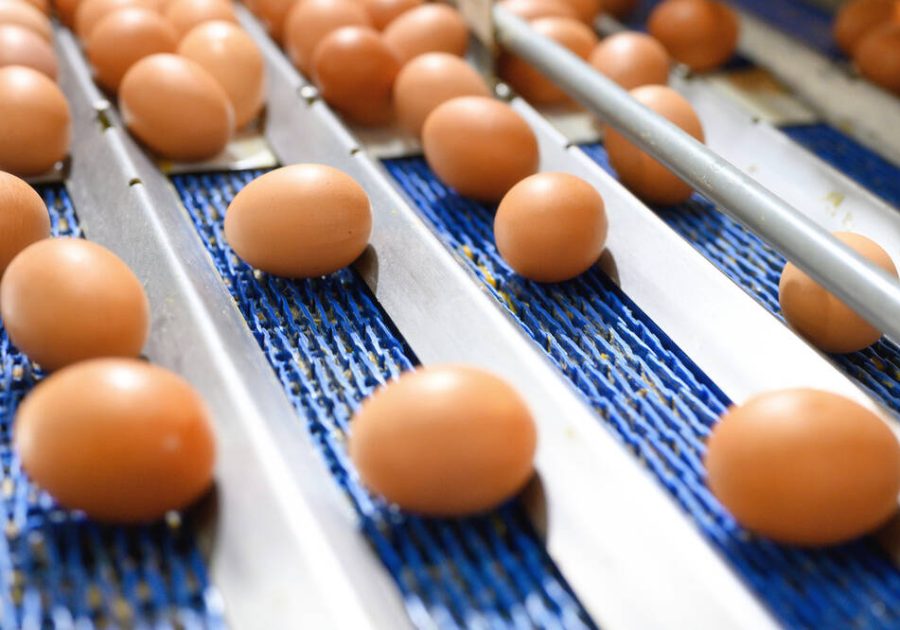
Image: AdobeStock
BASF Engineering Plastics has restructured its Ultradur portfolio to provide distinct engineering plastic lines for drinking water and food-contact applications.
The reorganisation establishes a clear and transparent separation between the company’s established Ultradur Aqua grades and its newly developed food-contact (FC) grades. By dividing the portfolio, BASF aims to give processors, original equipment manufacturers (OEMs), and brand owners a transparent and reliable framework for safe material selection.
The primary driver behind this portfolio overhaul is Commission Regulation (EU) 2024/3190, which was published in December 2024. Following the conclusion of its transition period on July 20, 2026, this regulation strictly bans the use of bisphenol A (BPA) and other bisphenols classified as hazardous in plastics, coatings, and varnishes intended for food contact. To future-proof its customers’ supply chains against these changing legal requirements, BASF proactively executed targeted formulation adjustments to eliminate BPA from its glass-fibre-reinforced food-contact materials.
Future-proofing food-contact operations
The newly designated Ultradur FC grades carry explicit certifications verifying compliance with the impending EU regulations. This ensures long-term regulatory compliance and business continuity for manufacturers producing goods that interact directly with food.
To facilitate an immediate transition ahead of the July 2026 deadline, BASF has made several glass-fibre-reinforced, BPA-free Ultradur grades immediately available with valid food-contact certifications:
- Ultradur B4300G6 FC UN
- Ultradur B4300G6 FC BK15136
- Ultradur B4300G4 FC R03 UN
- Ultradur B4300G4 FC BK15136
These specific materials are engineered to support a wide scope of applications within the food and beverage sectors. Key target areas include household appliances like components for coffee machines and cookware, as well as industrial food processing systems, conveyor infrastructure, and dedicated handling equipment for eggs and other raw food products.
Maintaining drinking water continuity
Parallel to the new food-contact line, BASF’s established Ultradur Aqua grades will remain on the market with completely unchanged formulations. This ensures that existing drinking water certifications held by customers remain uninterrupted and fully valid.
However, under the new portfolio structure, there is a strict operational boundary between the product lines. Despite sharing similar naming conventions, the glass-fibre-reinforced Aqua grades will no longer carry food-contact certifications moving forward.
By cleanly dividing the Ultradur family into dedicated Aqua and food-contact paths, the company provides immediate planning certainty for brand owners. Customers can identify at a glance which specific engineering plastics grades are approved for drinking water and which are certified for food contact, allowing them to align their material procurement early with upcoming regulatory updates.