AIB International updated standards signal new era of assurance
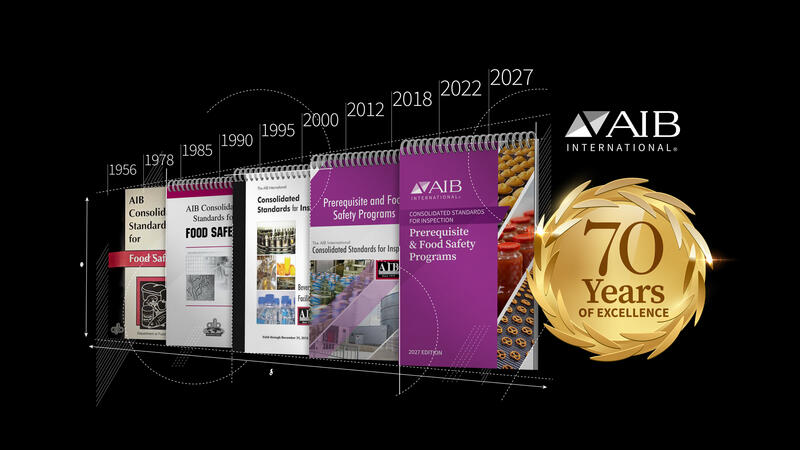
AIB International has released its 2027 Consolidated Standards for Inspection, introducing a significantly updated framework designed to strengthen food safety performance and harmonise expectations across the global supply chain.
The new standards reflect rising regulatory scrutiny, evolving manufacturing risks, and the sector’s accelerating shift toward digital compliance and continuous improvement.
The organisation said the 2027 edition delivers clearer criteria, expanded risk‑based requirements, and modernised guidance aligned with current production realities.
According to AIB International, the standards were shaped through extensive industry consultation and benchmarking against global regulatory and certification schemes, with the aim of helping food and beverage manufacturers “advance food safety maturity and reduce variability in operational performance.”
Key updates and industry relevance
The 2027 Consolidated Standards introduce several notable enhancements:
- Risk‑prioritised inspection criteria — AIB has reweighted scoring and expectations to focus more heavily on high‑impact food safety risks, supporting manufacturers in targeting resources where they matter most.
- Modernised sanitation and environmental monitoring expectations — reflecting increased pathogen‑control scrutiny, the standards provide clearer direction on zoning, sampling strategies, and verification.
- Strengthened allergen management protocols — with global allergen‑labelling requirements tightening, the new framework emphasises cross‑contact prevention, validation, and documentation.
- Digital‑readiness and documentation clarity — AIB has expanded guidance on digital recordkeeping, traceability systems, and audit‑ready data management.
- Global harmonisation — the standards aim to reduce regional interpretation differences, supporting multinational manufacturers seeking consistent compliance across facilities.
Implications for manufacturers and suppliers
The release is expected to have several ripple effects across the food and drink production ecosystem:
Higher operational expectations: manufacturers may need to upgrade sanitation programmes, environmental monitoring plans, and allergen controls to meet the new criteria.
Increased investment in digital compliance tools: the standards’ emphasis on documentation accuracy and real‑time traceability is likely to accelerate adoption of digital QA platforms, automated monitoring systems, and integrated data workflows.
Greater audit consistency: harmonised criteria should reduce variability between facilities and regions, improving comparability of inspection outcomes for global brands.
Supply chain pressure: ingredient suppliers and co‑manufacturers may face heightened expectations from customers aligning their internal programmes with AIB’s updated framework.
Training and workforce development needs: QA teams, sanitation leads, and production managers will require updated training to interpret and implement the new standards effectively.
Sector outlook
AIB International’s 2027 Consolidated Standards arrive at a moment when food safety expectations are rising globally, driven by regulatory tightening, consumer scrutiny, and the industry’s digital transformation.
For manufacturers, the update represents both a compliance challenge and an opportunity to modernise systems, reduce risk, and strengthen operational resilience.
As food and drink producers prepare for implementation, the new standards are expected to influence audit preparation, supplier qualification, and investment decisions throughout 2026 and 2027 — particularly for companies pursuing higher food safety maturity or seeking to align with global best practice.
Topics
Allergen labelling audits data management digital compliance pathogen control sanitation traceability
Organisations