Cereal stakes rise in Ferrero’s wellness play
The Nutella maker’s second major American breakfast move in under a year isn’t really about granola. It’s about Ferrero building a wellness-adjacent moat around a cereal aisle it just spent $3.1 billion to enter — and about what that means for everyone else competing for space on US. breakfast tables.
The deal
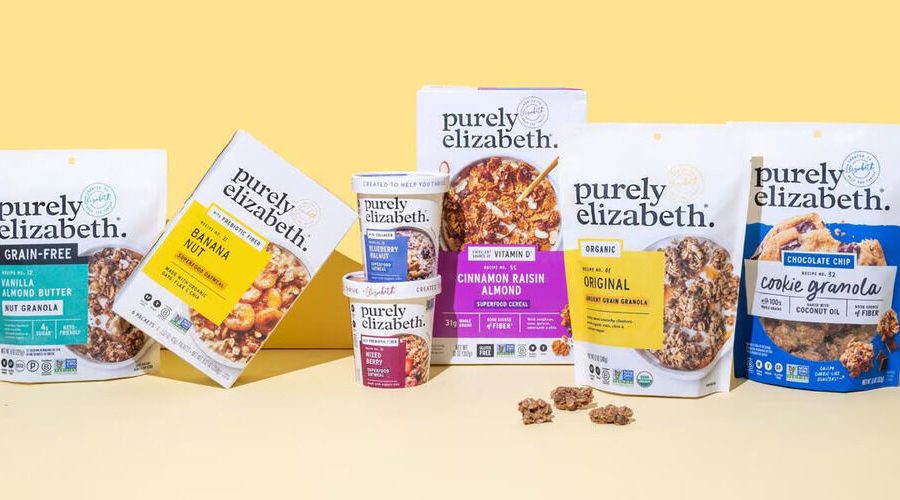
Ferrero Group announced on 14 August 2026 that it has signed an agreement to acquire Purely Elizabeth, the Boulder, Colorado-based modern wellness breakfast brand known for granola, oatmeal, cereal, and — more recently — protein products built around ancient grains and functional ingredients.
Financial terms weren’t disclosed, though Axios had reported earlier this year that the founder-led company was seeking a sale north of $600 million. Founder and CEO Elizabeth Stein will stay on and run the brand as a standalone unit inside Ferrero, alongside her existing leadership team. The deal is expected to close in the coming months, pending regulatory approval.
On its face, it’s a modest bolt-on: a 17-year-old, founder-run natural foods brand joining a family-owned confectionery giant. But the context around it — timing, positioning, and Ferrero’s acquisition cadence — makes this more telling about where large firms see the next decade of growth than the deal size alone would suggest.
Why this isn’t a standalone deal
The real story is sequencing. Purely Elizabeth lands just over a year after Ferrero closed its $3.1 billion acquisition of WK Kellogg Co., the deal that handed it Froot Loops, Raisin Bran, and a full-scale US cereal manufacturing and distribution footprint. Giovanni Ferrero, president of Ferrero International, said as much directly in the announcement, framing Purely Elizabeth as building on the Kellogg deal rather than existing apart from it.
Put together, the two acquisitions look like a move for the American breakfast table: mass-market legacy cereal on one end, premium better-for-you wellness food on the other, both now under one roof.
Ferrero already has scale in cereal via WK Kellogg. What it didn’t have was credibility with the consumer who has been quietly abandoning traditional cereal aisles for granola, oat-based, and protein-forward alternatives — and Purely Elizabeth, which has more than doubled sales in the past two years, buys that credibility rather than trying to manufacture it in-house.
This is also Ferrero’s fourth better-for-you acquisition in roughly 18 months, following Power Crunch (North America, 2025), Bold Snacks (Brazil, March 2026), and sitting alongside existing European better-for-you brands Eat Natural and FULFIL. The pattern suggests a company treating better-for-you as a distinct, permanent category it intends to compete in globally — not a one-off American hedge.
Buying what can’t be built
For a company built on Nutella, Kinder, and Ferrero Rocher — indulgence brands almost definitionally on the opposite end of the nutrition spectrum from oats and ancient grains — the acquisition path makes more sense than an organic one. Wellness food brands compete on founder authenticity, ingredient sourcing story, and trust built over years with a specific consumer; those are hard to fabricate inside a legacy confectionery giant’s R&D pipeline. Buying an established, growing, founder-led brand and explicitly preserving its “distinct identity” — a phrase Ferrero used twice in its own release — is a tacit admission that the wellness positioning is the asset, not just the SKUs or the factories.
It also lets Ferrero hedge against a structural risk in its core business: confectionery and indulgence categories face rising scrutiny from public health policy, GLP-1-driven changes in snacking behaviour, and consumers actively trading toward functional and protein-forward eating occasions. Owning both ends of that spectrum — indulgence and wellness — is a more durable position than betting solely on either.
What it means for the market
General Mills, Post, and Kellanova now face a rival that owns legacy cereal distribution muscle (via WK Kellogg) and a credible premium-wellness challenger brand under one P&L — a combination none of the traditional cereal majors currently have in-house at this scale.
Independent better-for-you and wellness brands become more visible M&A targets. Purely Elizabeth’s reported $600 million+ ask, and Ferrero’s willingness to pay a premium for brand equity rather than just revenue, raises the bar for what founders in this space can expect strategics to pay — and signals to private-equity-backed wellness brands that a strategic exit at meaningful multiples is live again.
Retailers and category buyers get a single, larger supplier consolidating shelf space across mainstream and premium breakfast tiers, which could shift the negotiating dynamic in cereal aisles toward Ferrero/WK Kellogg at the expense of smaller independent brands without a strategic backer.
The open questions
Ferrero has spent roughly $8 billion on U.S. acquisitions over the past decade — starting with Nestlé’s US chocolate business in 2018 through WK Kellogg last year — and shows no sign of slowing. That raises real questions about integration risk: can a family-owned Italian confectioner successfully run a legacy industrial cereal business (WK Kellogg) and a founder-led wellness brand (Purely Elizabeth) simultaneously, without diluting either one’s distinct market position?
Ferrero’s stated intent to keep Stein in charge and preserve Purely Elizabeth as a standalone brand suggests it has learned from prior deals that overintegration kills the acquired brand’s equity — but that promise will be tested as distribution scales and the brand inevitably gets pushed into more mainstream retail channels than its wellness-focused base is used to.