Fortified protein snacks drive the expansion of European snacks industry

The research found that many consumers are snacking for nourishment, with 32% saying eating more snacks allows them to manage their appetite. Image: Glanbia Nutritionals
New research from Glanbia Nuritionals’ European Healthy Snacking Innovation Team finds 16% of respondents are eating protein fortified snacks at least once a week, as consumers in Europe turn to perceived healthier snacks over more traditional options.
The findings were shared during a Glanbia Nutritionals webinar ‘the next wave of high protein snacking in Europe’.
The research – which polled 3,000 people across Germany, France, Sweden, and Italy – showed that across Europe, consumers are cutting down on ‘less healthy’ snacks, such as soft drinks, candy, chocolate bars, crisps, etc.
Overall, the research found that many consumers are snacking for nourishment, with 32% saying eating more snacks allows them to manage their appetite, while 40% say they manage their snacking to ensure they have sustained energy to get through the day. However, consumers are also using snacking as a reward or treat (51% of consumers), and 43% of Europeans snack when they are bored as a form of distraction.
With healthy snack consumption increasing, this has paved the way for a growing interest in snacks with fortified benefits which are often perceived as healthier, such as snacks which offer protein. In fact, 46% of consumers believe protein bars count as a healthy snack, whilst 16% of consumers are now using protein-fortified snacks – such as protein bars, powders, cereals and pancakes – once a week. This jumps significantly to 29% for active lifestyle consumers[1], and 40% for sports performance consumers[2].
Glanbia Nutritionals said there is an opportunity for producers to tap into consumer insights and develop products with the health benefits, flavours and formats that appeal to consumers to help the snacking category grow.
The research also found that taste is non-negotiable for consumers – it is the number one requirement that protein products are great tasting, followed by it being high in protein and low/no sugar across both RTD protein shakes and bars. An additional consideration for bar consumers is it being filling (important for 33% of consumers). What’s more, among regular protein bar consumers, low/no sugar and good source of vitamins and minerals are particularly important.
However, the research found that it’s not all about protein bars. The future of protein snacking extends beyond optimising protein snacks currently in the market, with format innovation playing a key role in expanding usage possibilities and reach more consumers.
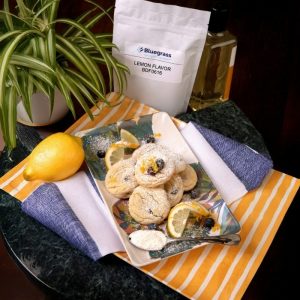
European protein bar users are showing an interest in protein cookies (50%) and brownies (47%), for example, while 34% say protein crisps sound appealing. Baked goods such as protein-fortified pastries and donuts (30%) are also rated highly, as well as small, bite-sized formats like protein bites (30%) and balls (24%), while protein spreads are another opportunity, with 34% expressing an interest in this type of product.
Sonja Matthews, senior manager strategic insights EMEA & ASPAC at Glanbia Nutritionals, comments: “Increasingly consumers are looking for protein-fortified products which are seen as a benchmark for health, with RTD protein shakes and bars currently leading the way, most likely thanks to the easy-to-use formats of both products and the fact that they can be consumed on the go.
“However, we are seeing new products hitting the shelves from protein cookies to protein-fortified chocolate bars, showcasing that if a product is innovative and exciting, tastes great, and has the health benefits consumers are looking for, it can really cut through the competition. We think this is just the beginning and are excited to continue to work with our customers to help them develop the next big moment in healthy snacking.”
Topics
baked goods healthy snacks protein cookies protein-fortified chocolate RTD bars RTD protein shakes
PeopleOrganisationsRegions