Beyond Taste: How Multisensory Design is Redefining Food & Drink Experiences
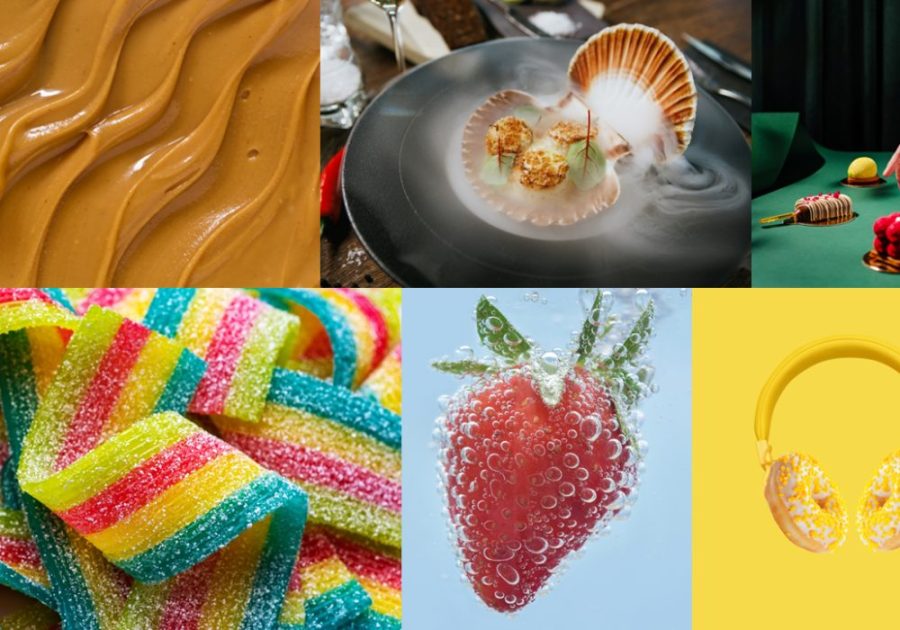
Image: Sensient
Flavour is no longer enough
Food and drink has traditionally been defined by taste; but this is changing. Today, consumers expect more than flavour alone. They are seeking experiences: products that surprise, engage and create lasting emotional connections.
From immersive dining concepts to sensory-driven snacks and visually striking beverages, the industry is moving beyond the palate. Flavour remains fundamental, but it now works alongside other senses to create richer, more memorable consumption moments. For brands and developers, this shift represents both a challenge and an opportunity: how to translate multisensory trends into products that are not only exciting, but also scalable and commercially viable.
What is multisensory and why it matters now
Multisensory design in food and drink refers to the deliberate engagement of multiple senses: taste, aroma, sight, texture and even sound to shape perception and enjoyment. It also extends beyond the traditional five tastes to include trigeminal sensations such as cooling, warming, tingling or numbing, adding new dimensions to flavour.
This evolution matters because consumer expectations are changing. Shoppers are increasingly looking for products that deliver emotion, surprise and memorability. In crowded categories, multisensory experiences help brands stand out, drive trial and encourage repeat purchase. What was once a source of novelty is quickly becoming a strategic tool for differentiation and premiumisation.
The senses shaping next-generation innovation
Expanding flavour through trigeminal sensations
Flavour today is no longer static – it is dynamic and experiential. Beyond aroma and taste, trigeminal sensations are opening up new ways to engage consumers. These senses, such as cooling, heating, tingling or even gently numbing effects, delivered through advanced flavour technologies such as Sensient’s Sensates range, can transform familiar products into something more playful and engaging.
These sensations, such as cooling, warming or tingling effects, delivered through advanced flavour technologies, enhance everything from refreshing beverages to spicy sauces and indulgent snacks. At the same time, flavour complexity continues to evolve. While umami is now an expected component of many formulations, newer concepts such as kokumi, delivering depth, roundness and mouthfeel, are adding further sophistication.
Solutions such as Sensient’s BioSymphony™ portfolio also demonstrate how flavour can enhance authenticity and vibrancy, helping products feel more natural, expressive and premium.
The power of visual appetite
Consumers increasingly “taste with their eyes first”. Visual appeal has become a critical driver of expectation, enjoyment and shareability, fuelled by social media and digital culture.
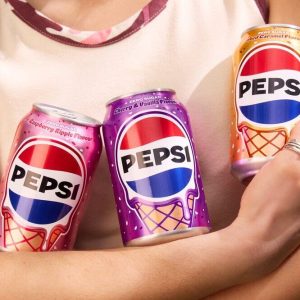
Trends such as ube lattes, matcha drinks or visually layered desserts highlight how colour and presentation can define a product’s appeal. Even broader cultural cues reflect this shift. Annual colour trends, from Pantone’s Peach Fuzz to Mocha Mousse and the ethereal Cloud Dancer, show how visual inspiration is often rooted in food textures and experiences.
Within this landscape, colour is not just aesthetic, it is emotional. Sensient’s own 2026 Colour of the Year, Reverie Pink, captures a desire for calm and reconnection in an increasingly fast-paced world. For developers, natural colour solutions play a key role in delivering both visual impact and clean-label credentials.
Texture as experience and expectation
Texture is rapidly becoming one of the most powerful tools in multisensory design. From crunchy and chewy to silky, aerated or popping, textural contrasts bring excitement, indulgence and even perceived health benefits.
Consumers increasingly associate texture with product quality and experience. Crunch, for example, is often linked to wholesomeness and satiety, while layered or unexpected textures can elevate everyday products into something more premium.
Innovations inspired by bubble tea, inclusions and layered formats continue to influence new product development. Sensient supports this trend through solutions such as sauces and inclusions designed to deliver both texture and visual appeal, including aeratable formats that introduce lightness and movement. Mouthfeel solutions further enhance the experience, adding roundness and a satisfying coating sensation on the palate.
Aroma: the emotional gateway
Aroma remains one of the most powerful drivers of emotional connection. Closely linked to memory and mood, it can evoke comfort, nostalgia or indulgence in an instant.
Its role is expanding beyond flavour delivery into storytelling and product positioning. From scent-enhanced packaging to crossovers with beauty and wellbeing, aroma is increasingly used to build anticipation and deepen engagement. For brands, it offers a powerful way to create more immersive and emotionally resonant experiences.
Sound: a subtle but growing influence
While less directly linked to formulation, sound is emerging as a complementary sensory layer. From the satisfying crunch of a snack to fizzing beverages or ASMR-inspired marketing, audio cues can reinforce perceptions of quality and enjoyment.
Brands are also exploring new ways to integrate sound into consumer experiences, from curated playlists to sonic branding. Although still evolving, sound represents an additional dimension in creating more holistic and engaging food and drink experiences.
From novelty to strategy
Multisensory innovation is moving beyond playful, viral concepts towards more purposeful and functional applications. Increasingly, it is being used to address real formulation and consumer challenges.
For example, sensory design can help enhance the perception of reduced sugar or fat products, making them feel more indulgent without compromising on health goals. It also plays a role in inclusivity by supporting the needs of ageing populations, sensory-sensitive consumers and emerging demographic groups with specific preferences.
Advances in data and technology are further enabling more personalised sensory experiences, allowing brands to better align with individual expectations. As a result, multisensory design is no longer just a marketing tool, but it is becoming a core part of product development strategy.
Turning sensory insight into real-world solutions
For developers, the challenge lies in balancing creativity with practicality. This is where a partner with deep expertise across flavour, colour, extracts and sensory science can make a difference.
Sensient brings these capabilities together to help translate trends into tangible solutions. Its sensory science expertise enables brands to measure and understand perception with precision, reducing reformulation risk and supporting confident decision-making.
By combining flavour technologies that deliver sensory effects such as cooling, warming and tingling, alongside high-impact solutions like BioSymphony™, and integrated colour and texture capabilities, Sensient helps create balanced, multi-layered sensory experiences that are both innovative and scalable.
Designing experiences, not just flavours
The future of food and drink is multisensory. While flavour remains at the heart of every product, it is now part of a broader sensory ecosystem that shapes how consumers perceive, enjoy and remember what they eat and drink.
For brands, the opportunity is clear: to move beyond delivering taste and instead create experiences that engage, surprise and resonate. In doing so, they can unlock new levels of differentiation, emotional connection and value.
In the next generation of food and drink, success will not be defined by how something tastes, but by how it makes consumers feel.
Learn more about Sensient at https://sensientflavorsandextracts.com/