EU defines meat terms in protective move
The European Parliament has approved a package of measures designed to give farmers a stronger footing in the food supply chain, including clearer labelling rules, stricter trade standards, and a protected list of terms reserved exclusively for meat products.
The reforms aim to ensure fairer competition, greater transparency for consumers, and more stable incomes for farmers across the EU.
The agreement, reached with the Council in early March 2026, introduces mandatory written contracts between farmers and buyers, reinforces the role of producer organisations, and requires member states to publish cost‑based indicators to guide pricing negotiations.
These steps are intended to ensure that food prices better reflect the real cost of production — a long‑standing demand from farmers facing rising input costs and market volatility.
Clearer labels and stricter marketing standards
A major part of the reform focuses on labelling and marketing claims, an area where the EU says consumers and farmers alike need more clarity. The new rules define how terms such as “fair”, “equitable” and “short supply chain” may be used on packaging and in advertising. Products will only be able to use these claims if they meet strict criteria, including contributions to rural development and the involvement of recognised producer organisations.
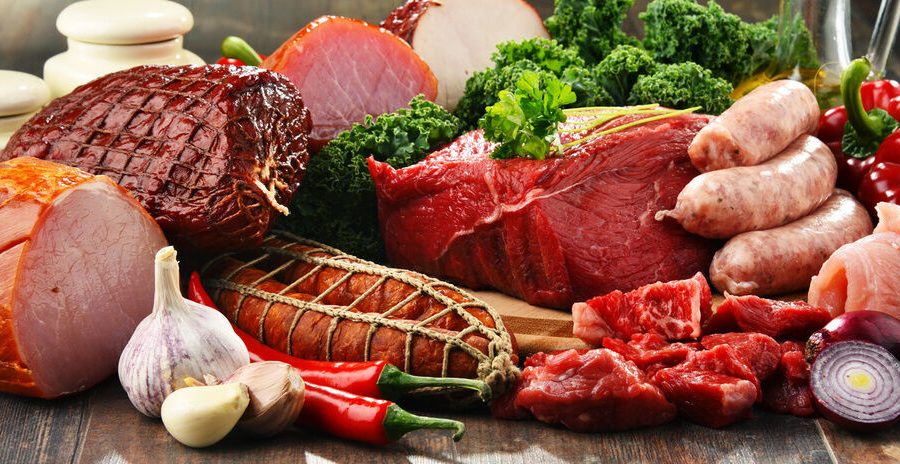
The legislation also introduces, for the first time, an EU‑wide definition of meat as “edible parts of animals” and sets out a list of protected terms — including steak, liver, sirloin, bacon, drumstick, ribeye and others — that may be used only for products containing meat. This means that lab‑grown or plant‑based alternatives will be prohibited from using these names, a move intended to ensure consumer transparency and protect livestock farmers from misleading competition.
Stronger producer organisations and fairer contracts
The reforms also strengthen the bargaining power of producer organisations by simplifying their legal recognition and allowing them to negotiate collectively on behalf of members. Buyers will be restricted from bypassing these organisations by contacting individual farmers directly — a practice that has historically weakened farmers’ negotiating position.
Mandatory written contracts will become the norm across most agricultural sectors, including dairy, where farmers have faced particularly unstable pricing. Contracts must include clear pricing formulas, payment terms, and revision clauses that can be triggered by unforeseen events such as extreme weather or market shocks.
For the wider food sector, the new rules will require greater transparency in sourcing, pricing and labelling, particularly for companies using meat‑related terminology or marketing claims linked to fairness or sustainability. Retailers and processors will need to adapt to stricter contract requirements and clearer definitions of what constitutes a short supply chain.
Rapporteur Céline Imart described the agreement as “a major victory for our farmers”, arguing that it will help secure fairer incomes and strengthen the resilience of the agricultural sector.
The provisional agreement now awaits formal endorsement by both the Parliament and the Council before entering into force.