Nomad Foods: ‘Fresh-first’ habits costing European households up to €624 annually
Deeply embedded shopping habits across Europe are driving up grocery bills and generating massive amounts of avoidable waste, according to a study released today by Nomad Foods.
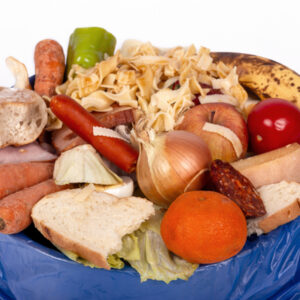
The frozen food giant’s second annual Frozen In Focus report reveals that half of all European households throw away fresh vegetables every single month. This persistent pattern of discarding unused fresh produce is costing families up to €624 (£539) a year at a time when cost-of-living pressures remain severe. By contrast, fewer than three in 10 households report discarding frozen equivalents over the same period.
The comprehensive study surveyed 10,750 adults across the United Kingdom, France, Germany, Italy, Sweden, and Croatia. It uncovered a profound “perception gap” that drives consumers toward fresh food under the false impression that it is inherently superior in quality and nutrition. The data shows that 65% of consumers believe fresh potatoes are more nutritious than frozen options, with similar assumptions held for chicken and fish (63% for both).
Despite these misconceptions, economic realities are altering some behaviours. The report highlights that 36% of consumers are already using frozen food more effectively as a direct strategy to stretch their household budgets and mitigate waste.
Dominic Brisby, chief executive officer of Nomad Foods, stressed that the current cultural default needs a fundamental rethink.
“We’ve created a food culture where ‘fresh’ feels like the better choice, but in reality it’s costing families hundreds of euros a year in wasted food,” Brisby said. “At a time when people are trying to make their budgets stretch further, rethinking how we use frozen food could make a real difference.”
Brisby added that the issue extends beyond individual kitchens to a macroeconomic level. “Frozen food is not a compromise; it’s one of the most practical tools we have to improve access to everyday protein, reduce waste and build resilience into the food system. Europe needs a more balanced approach, where frozen sits alongside fresh to secure nutrition, manage household bills and prevent waste.”
The push to reconsider the freezer aisle comes amid intensifying pressures on European food inflation and food security, exacerbated by geopolitical tensions, shifting regulations, and climate disruption. Some staple categories are experiencing unprecedented volatility. New analysis from Nomad Foods shows that fresh whitefish prices have spiralled by 138% over the past 20 years, far outstripping the 60% price rise seen for chicken. This surge risks pricing lower-income households out of essential dietary nutrition.
Amid these supply chain disruptions, the role of freezing and cold chain infrastructure is becoming increasingly critical. According to data from the Food and Agriculture Organization (FAO), global food waste stemming from insufficient refrigeration reaches a staggering 526 million tonnes annually—accounting for roughly 12% of the global total.
Nomad Foods argues that by extending shelf life and significantly reducing spoilage, freezing not only offers immediate financial relief to struggling households but acts as a stabilising force to build long-term resilience across volatile global supply chains.
To read the full report, please follow the link here: https://www.nomadfoods.com/frozeninfocus/
Topics
food waste fresh produce frozen food
PeopleOrganisationsFood and Agriculture Organization Nomad Foods
Regions